

The best exhibition flooring options for trade shows depend on booth size, event traffic, staff standing time, transport limits, and brand presentation. Carpet tiles suit budget-conscious exhibitors, interlocking foam improves comfort, vinyl supports printed designs and easy cleaning, while modular or raised systems provide stronger visual definition and cable-management options.
When I compare trade show floor covering options, I evaluate more than color and price. The flooring must support staff who stand for several hours, withstand rolling cases and display equipment, and remain stable when attendees walk across seams or transitions. It should also fit the booth footprint without excessive cutting, trimming, or onsite labor.
| Flooring option | Core function | Best for | Typical planning price |
|---|---|---|---|
| Interlocking foam tiles | Cushioned, tool-free floor surface | Staff-heavy booths and frequent setup teams | $2–$8 per sq. ft. |
| Carpet tiles | Affordable modular floor covering | 10x10 and 10x20 indoor booths | $2–$7 per sq. ft. |
| Custom printed trade show carpet | Branded graphic floor surface | Marketing-led booths and product launches | $5–$15 per sq. ft. |
| Vinyl flooring | Durable, printable, easy-clean surface | Premium booths and product demonstrations | $4–$12 per sq. ft. |
| PVC or plastic tiles | Modular hard-wearing surface | Repeated events and utility-focused displays | $4–$10 per sq. ft. |
| Rubber flooring | Impact and fatigue reduction | Heavy equipment and high-footfall areas | $5–$15 per sq. ft. |
| Wood-look flooring | Premium visual finish | Hospitality, furniture, and luxury brands | $6–$18 per sq. ft. |
| Raised modular floor | Elevated surface for cables and visual separation | Large custom exhibits | $12–$30 per sq. ft. |
| Rental flooring | Temporary solution without ownership | Infrequent exhibitors and changing booth sizes | $4–$14 per sq. ft. per show |
These figures are planning ranges, not fixed quotations. A 100-square-foot booth can require more than 100 square feet of material because of cutting waste, spare tiles, edge ramps, and irregular booth geometry. Freight, drayage, labor, storage, custom printing, and venue rules may add 20%–60% to the flooring budget depending on the show location and delivery method.
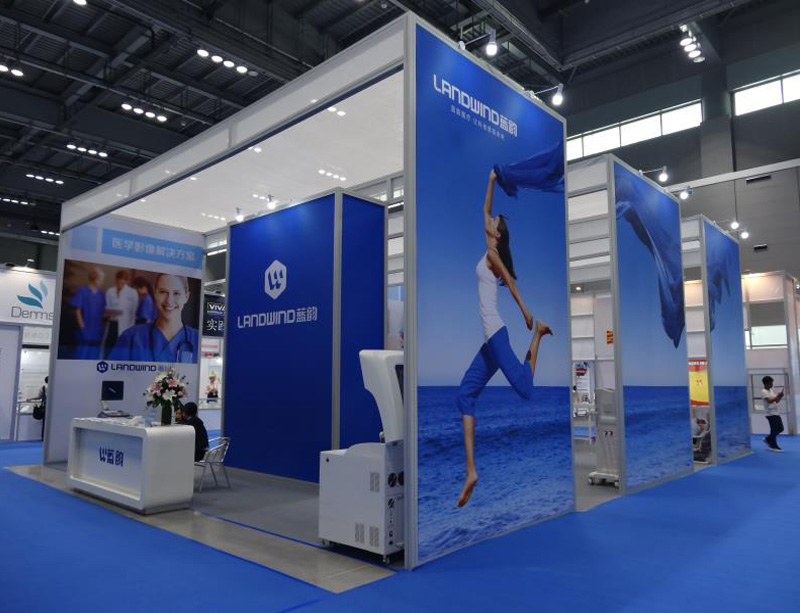
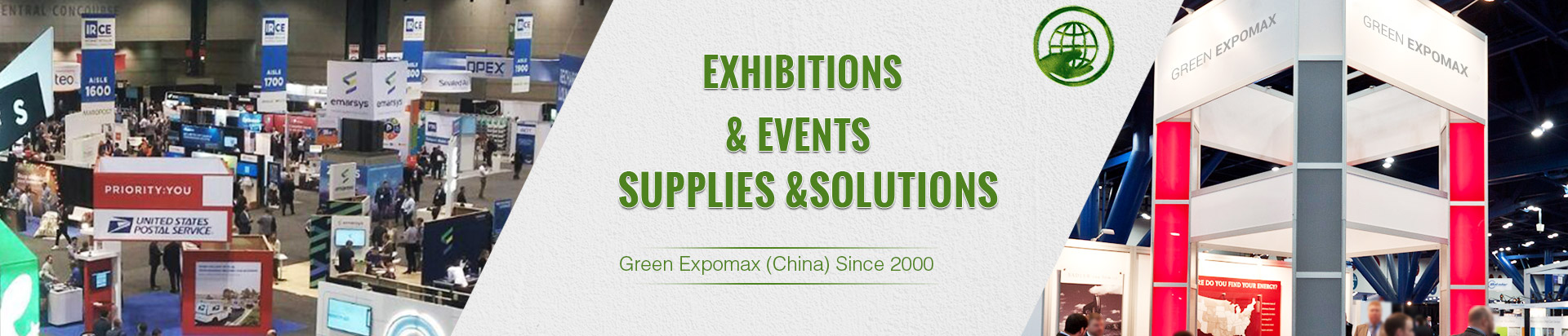
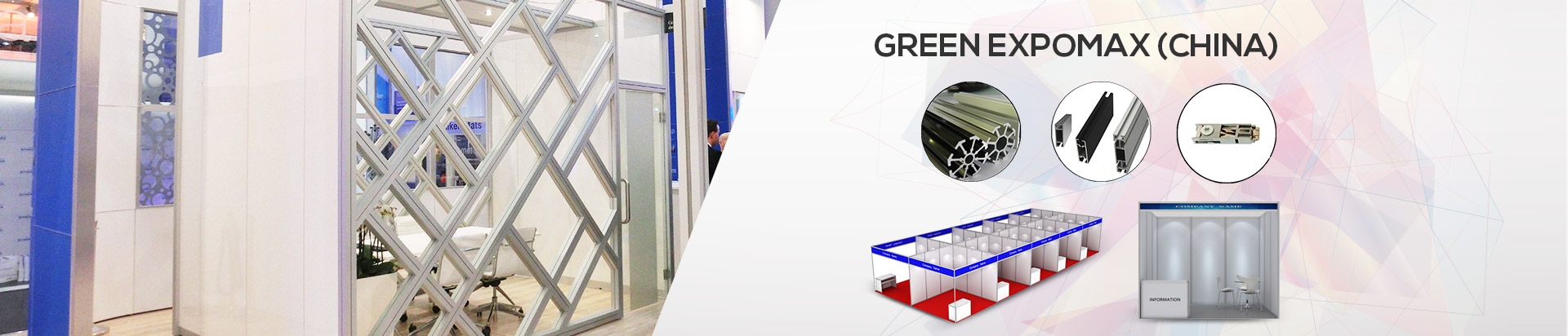
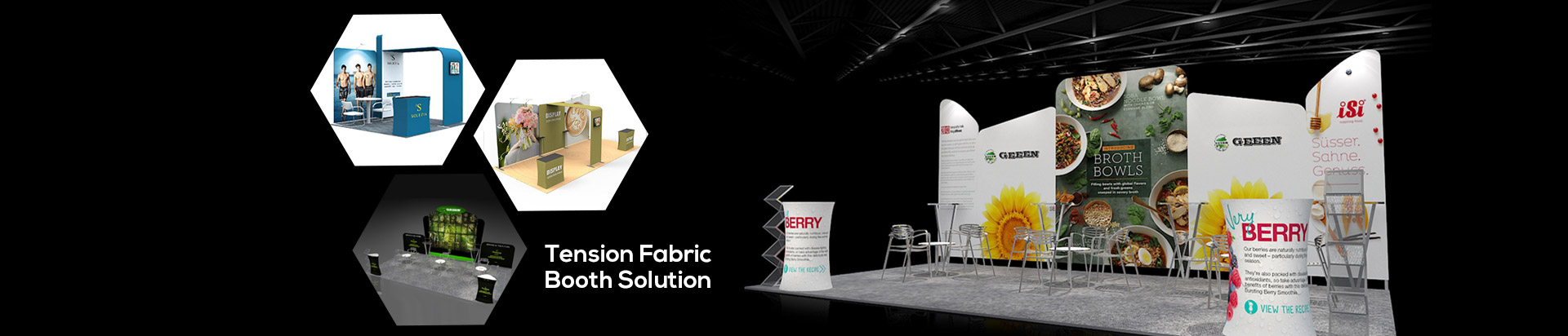
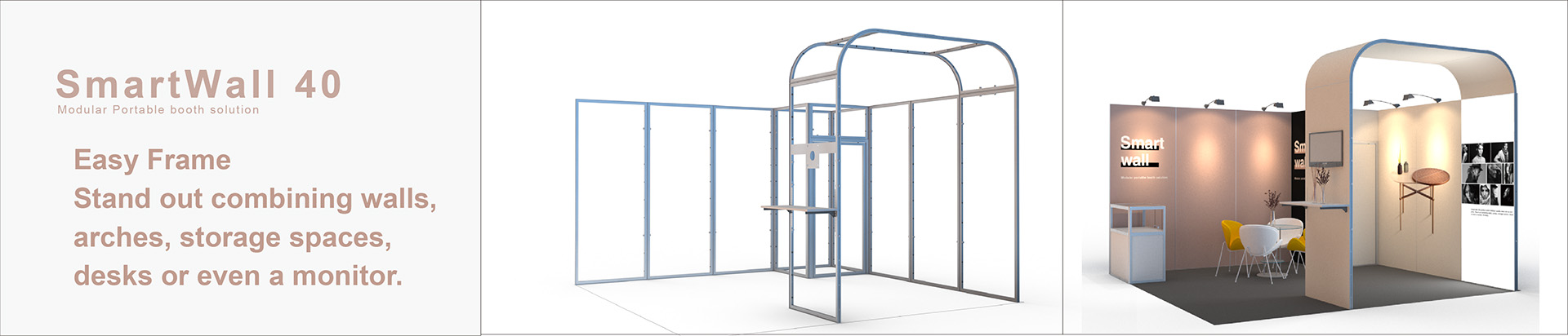
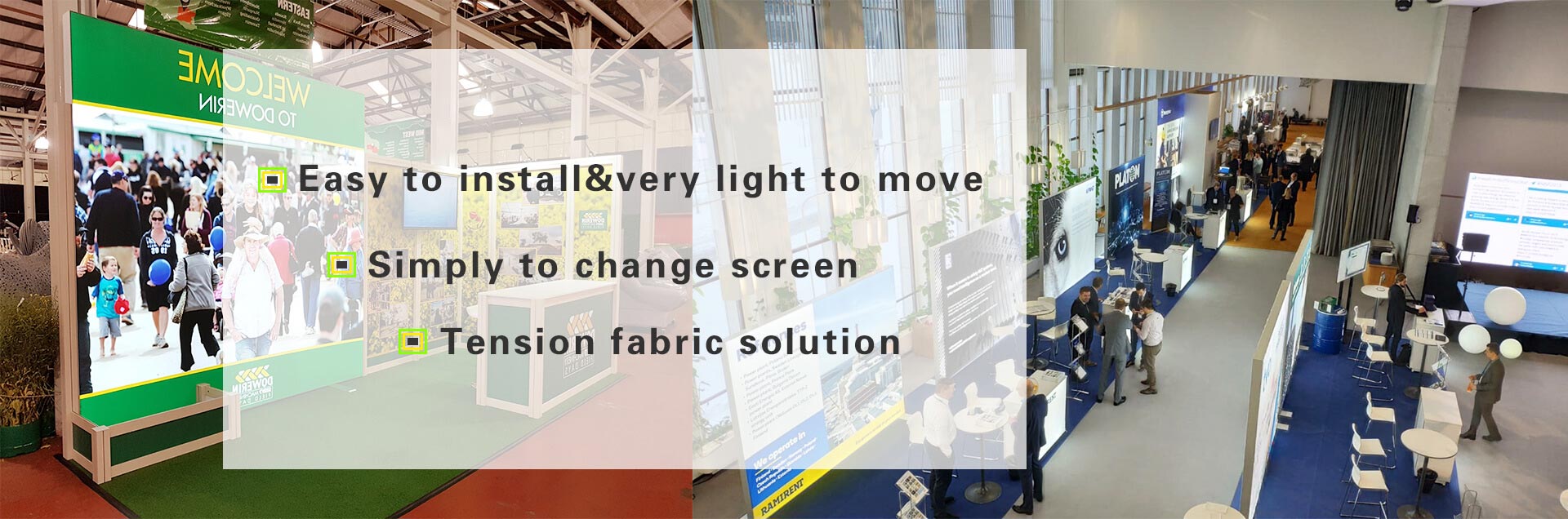
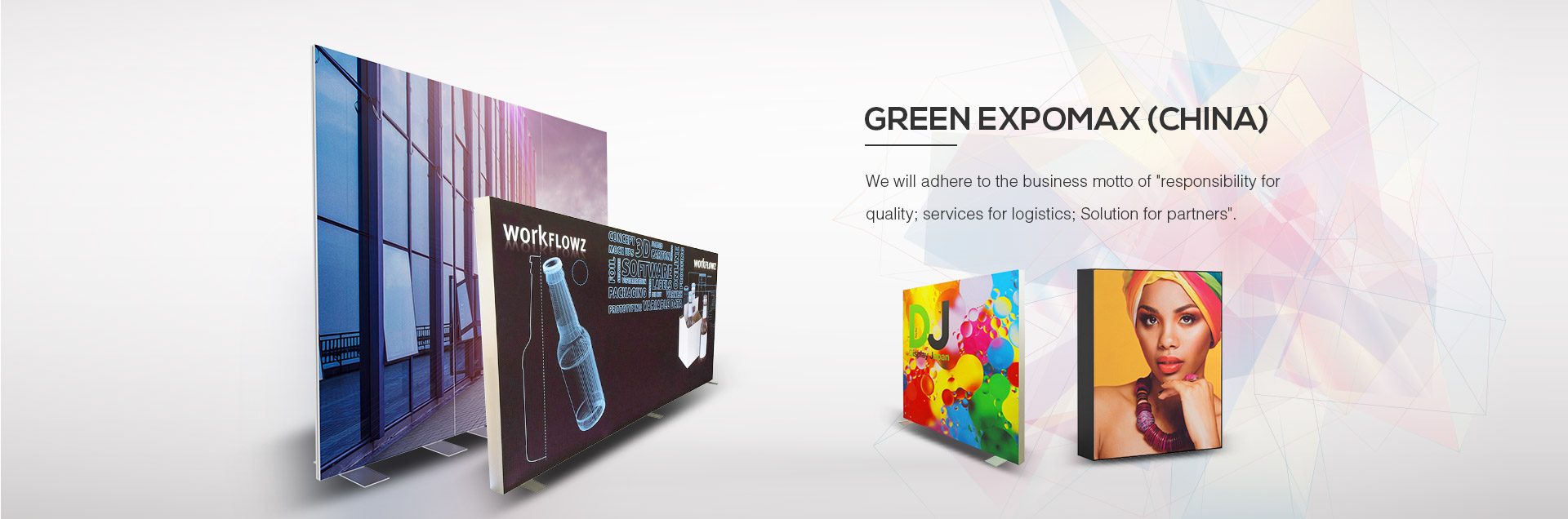
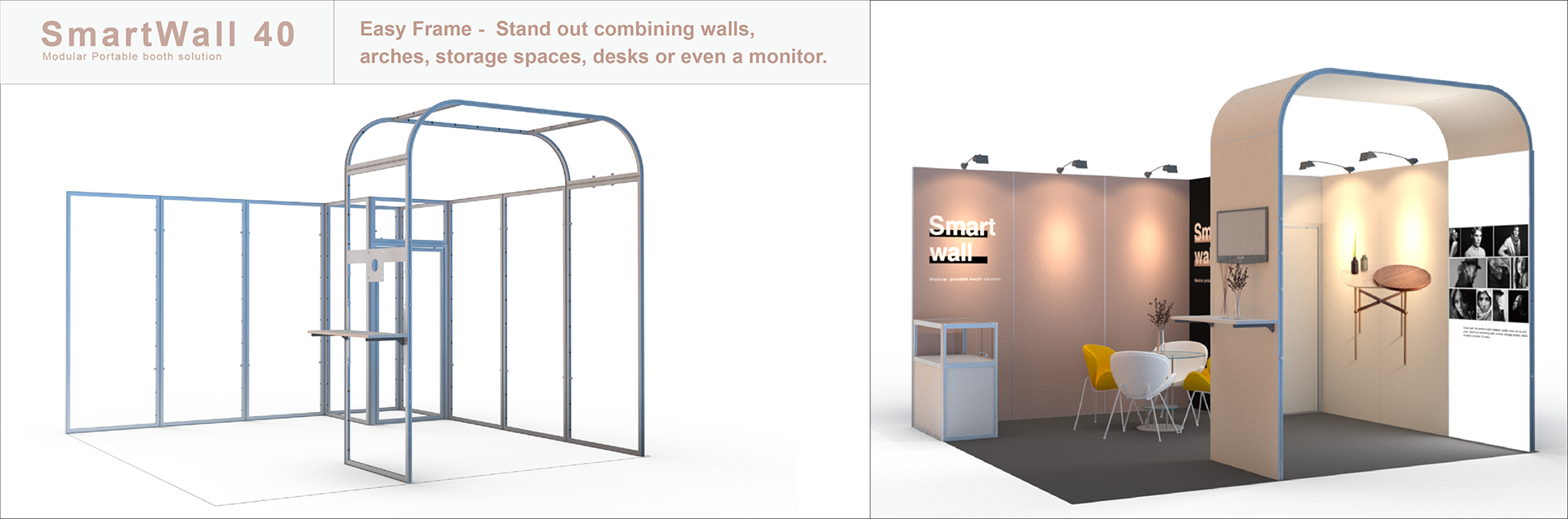
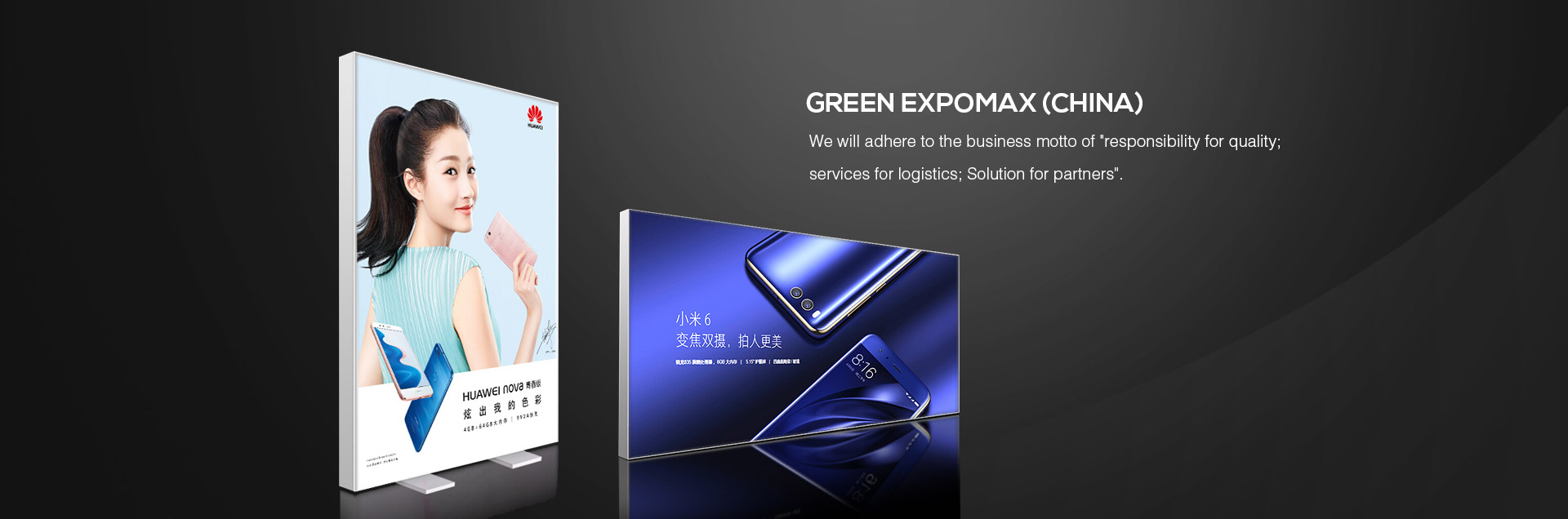
Green Expomax is a practical option when I want the Exhibition Floor to be considered as part of the wider booth structure rather than purchased as an isolated covering. The company’s published product range includes exhibition wall and floor systems, modular booth products, aluminum display structures, fabric systems, furniture, showcases, and event-related fittings. Its company information states that it has operated from a 3,000-square-meter factory in Changzhou, China, for approximately 15 years and has exported to more than 40 countries.
!
I would consider Green Expomax for exhibitors, contractors, and agencies managing multiple booth elements or recurring international projects. It is especially relevant for custom booths where a basic roll of carpet does not provide enough visual structure or cable-management capability. It may also suit buyers who need supplier coordination across exhibition walls, floors, furniture, and display systems.
A modular supplier is not automatically the lowest-cost choice for a single 10x10 booth. Buyers should request confirmed specifications for tile thickness, load rating, edge treatment, slip resistance, packaging dimensions, replacement availability, lead time, and shipping terms before placing an order. Pricing will vary substantially according to materials, finish, custom dimensions, branding, and order quantity.
Interlocking foam floor tiles are often the easiest trade show flooring to transport and install. I can assemble them without adhesive by connecting the edges, and a small crew can cover a standard booth in a short setup window when the floor is square and unobstructed. Most systems are lightweight compared with raised platforms, wood panels, or thick rubber rolls.
The main benefit is comfort. Foam distributes some pressure beneath the feet and can reduce the fatigue associated with prolonged staff standing, product demonstrations, and repeated movement between counters. However, comfort depends on density and thickness; soft low-density foam may compress beneath heavy counters, rolling cases, or narrow furniture legs.
Foam can show dents beneath concentrated loads and may separate if the subfloor is uneven or the edges are not restrained. High heels can create point pressure, while dragging heavy displays may tear or deform the surface. I recommend using a perimeter ramp, hidden edge restraint, or a rigid transition where the booth meets the venue floor.
Carpet tiles remain one of the most cost-effective trade show flooring options for indoor exhibitions. They work well for 10x10, 10x20, and irregular booth layouts because I can cut individual tiles around posts, counters, literature stands, or display bases. Replacement is also straightforward when a tile becomes stained or damaged during transport.
Compared with standard broadloom carpet, carpet tiles offer better repair control and less waste during repeated use. A typical 10x10 booth requires 100 square feet of coverage, but I would normally plan for at least 5%–10% spare material when the event involves food, drinks, heavy foot traffic, or repeated installation. For a 10x20 booth, the base requirement is 200 square feet before adding spare tiles and cutting allowance.
Carpet tiles do not provide the same cushioning as foam or rubber, especially when the tile has a thin backing. Seams may become visible if the floor is poorly aligned, and loose corners can create trip hazards. I also account for cleaning, drying time, and storage conditions because damp carpet packed into cartons can develop odor or material damage.
Custom printed trade show carpet turns the floor into a large-format graphic surface. I would use it when the booth design depends on a logo, directional graphic, product image, color field, or branded pattern that needs to remain visible across the visitor path. It is particularly effective for product launches, sports brands, entertainment exhibits, and premium experiential spaces.
The trade-off is cost and maintenance. Printing, proofing, edge finishing, color matching, and one-off production can place the material above standard carpet tiles. The design should also account for furniture placement, because a large portion of the graphic may be hidden beneath counters, tables, product stands, or demonstration equipment.
Printed carpet can be difficult to clean if spills penetrate the backing or if the material is rolled while damp. Reusing it across different booth sizes is also less practical than using modular tiles. I recommend confirming the finished size, seam plan, pile direction, fire-rating documentation, cleaning method, and storage requirements before ordering.
Vinyl flooring is a strong choice when I need a cleanable surface for product demonstrations, food-related exhibits, healthcare displays, or equipment booths. It resists many routine spills better than carpet and can imitate concrete, stone, timber, or solid color. Printed vinyl can also carry graphics, although the finish must be selected carefully to control glare under exhibition lighting.
PVC tiles provide a modular hard surface with useful resistance to rolling traffic and repeated installation. Rubber flooring is better suited to heavy equipment, active demonstrations, and staff-intensive booths because it combines impact resistance with improved underfoot support. Wood-look systems create a premium visual impression, but their panels may weigh more, require tighter alignment, and cost more to ship than carpet or foam.
| Material | Comfort | Traffic resistance | Installation | Main limitation |
|---|---|---|---|---|
| Vinyl | Low to moderate | High | Moderate | Hard underfoot without an underlay |
| PVC tiles | Low to moderate | High | Moderate | Seams and surface scratches |
| Rubber | High | High | Moderate | Weight, odor, and higher transport cost |
| Wood-look panels | Moderate | Moderate to high | Moderate to difficult | Higher cost and heavier packaging |
| Foam | High | Moderate | Easy | Compression and edge damage |
| Carpet | Moderate | Moderate | Easy to moderate | Staining and moisture sensitivity |
For a high-traffic exhibition, I do not judge durability only by the top surface. I check whether the seams remain closed under high heels, whether rolling cases catch the edges, and whether heavy displays create permanent compression. I also look for low-glare finishes, stable transitions, and a surface that does not become slippery when exposed to cleaning residue or small spills.
Comfortable flooring can justify its additional cost when staff spend most of the event standing, greeting visitors, demonstrating products, or working from a reception counter. Foam, rubber, and cushioned carpet reduce the difference between standing on a hard convention-center floor and standing on a supported booth surface. The business value is indirect, so I would evaluate it through staff hours, event duration, and the number of people using the booth.
For example, adding $300 to a 200-square-foot booth for a more supportive floor may be reasonable if six staff members stand for eight hours over two show days. It is less compelling for a small booth used by one person for a short evening event. I also consider whether improved comfort can be achieved through a partial anti-fatigue zone behind the counter rather than cushioning the entire booth.
| Requirement | Recommended choice | Reason |
|---|---|---|
| One indoor 10x10 show with limited budget | Carpet tiles | Low material cost and simple replacement |
| Frequent shows with a two-person setup crew | Interlocking foam | Portable and tool-free |
| Premium 10x20 booth | Vinyl or wood-look modular flooring | Stronger visual finish and easier cleaning |
| Heavy product demonstrations | Rubber or PVC | Better load and traffic resistance |
| Logo-focused marketing display | Custom printed carpet or vinyl | Full-surface branding |
| Uneven venue surface | Raised modular floor | Improves leveling and can conceal cables |
| Outdoor exhibition | Rated PVC, rubber, or purpose-built event flooring | Better moisture and surface resistance |
| Changing booth dimensions | Small modular tiles | Easier reconfiguration and reuse |
| One-time participation | Rental flooring | Avoids long-term storage and ownership |
| Large international program | Modular system with spare parts | Supports repeated deployment and repair |
I also match flooring to the setup crew. A two-person team should avoid systems that require heavy panels, adhesives, long curing periods, or precise specialist installation. A professional contractor can install raised platforms, complex seams, and integrated cable routes, but labor must be included in the budget rather than treated as an afterthought.
Before installation, I inspect the venue surface for dust, moisture, raised fasteners, uneven joints, and debris. I mark the booth perimeter, confirm the finished dimensions, and place heavier components only after the floor is protected from sharp edges and dragging. Any loose seam, curled corner, or exposed transition should be corrected before attendees enter the booth.
For transport, I record the packed dimensions and total weight rather than judging portability from the installed area. A 100-square-foot system may fit in several cartons, a rolling case, or a custom crate, and those options affect freight and drayage charges. I label pieces by booth zone and keep at least 5% spare tiles for modular systems used across multiple events.
Maintenance depends on the surface. I vacuum carpet before removing visible stains, use the manufacturer-approved cleaner for vinyl and PVC, and wipe rubber with a low-residue solution that does not leave a slippery film. After the show, I dry all materials completely, inspect high-load areas, and store flooring flat or in the recommended roll direction.
The lowest purchase price does not always produce the lowest cost per show. I calculate total ownership using this formula:
Cost per show = purchase price + freight + drayage + setup labor + storage + maintenance + replacement allowance, divided by expected shows.
A $1,200 modular floor used for six shows may begin at $200 per show before shipping, labor, and storage. If freight and labor add $180 per event, the practical cost becomes approximately $380 per show before repairs. A $700 rental floor may appear cheaper for one event because storage and replacement are excluded, but repeated rental over six shows could exceed the purchase cost.
| Cost factor | Purchase model | Rental model |
|---|---|---|
| Initial payment | Higher | Lower |
| Storage | Required | Usually avoided |
| Replacement | Owner responsibility | Often included or charged separately |
| Custom branding | Easier to retain | May require a new production charge |
| Shipping | Paid each event | May be included or itemized |
| Reuse value | High after break-even | None after the event |
| Best financial fit | Three or more similar shows | One or two irregular shows |
I normally favor ownership when the exhibitor attends at least three similar shows per year and can store the flooring in a dry, secure location. Rental is more practical when booth sizes change frequently, the company attends only once or twice, or the venue provides bundled flooring and installation services.
The best exhibition flooring options for trade shows are not the same for every exhibitor. I recommend carpet tiles for affordable indoor booths, interlocking foam for portable comfort, custom printed carpet for floor-level branding, vinyl for cleanability, rubber for heavy traffic, and wood-look or raised modular flooring for premium custom exhibits.
For a small 10x10 booth, I would begin with carpet tiles or foam and reserve 5%–10% spare material. For a 10x20 booth with demonstrations, staff standing, and higher visitor volume, vinyl, rubber, or a modular system can provide better load handling and maintenance control. For frequent international exhibitors, I would compare purchase, freight, storage, labor, and replacement over at least three shows rather than choosing by unit price.
Green Expomax is most relevant when the Exhibition Floor needs to coordinate with walls, structures, furniture, or a broader custom booth package. My final recommendation is to confirm venue rules, packed weight, edge protection, slip resistance, accessibility, cleaning requirements, and total cost per show before selecting the material.
Previous: None
Next: Who We Are


Copyright © Green Expomax (China) Exhibition Equipments Co.,Ltd. All Rights Reserved | Sitemap |