

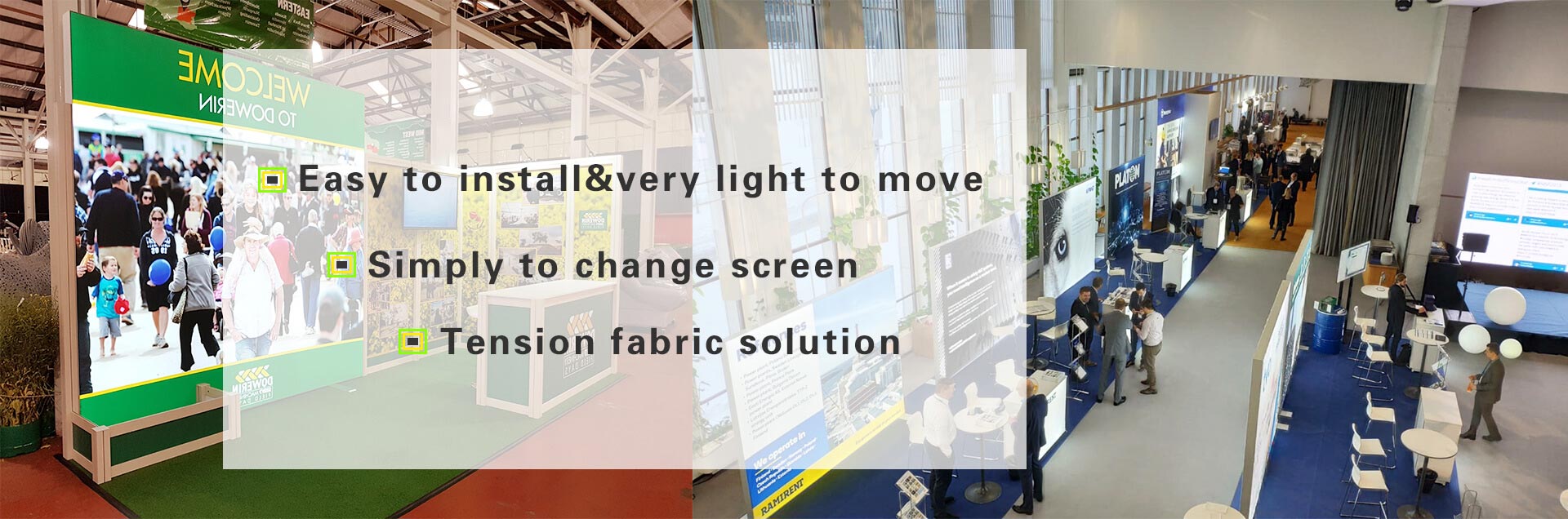
LED Lightbox Displays attract visitors by creating brighter, higher-contrast graphics than many surrounding signs. The illuminated surface increases visual salience, helping a storefront, trade show booth, or reception area gain attention from a greater viewing distance. When the display combines clear messaging, saturated color, strong placement, and a relevant offer, visibility can lead to stopping behavior, conversations, qualified leads, and measurable customer engagement.
I use LED lightboxes as a visual merchandising tool rather than treating them as a substitute for a complete marketing strategy. Their effect depends on brightness, contrast, message hierarchy, viewing angle, foot-traffic direction, and the action I want visitors to take. In this guide, I explain how LED lightbox displays work, where they perform well, how they compare with traditional signs, and how I evaluate their total cost and practical limitations.
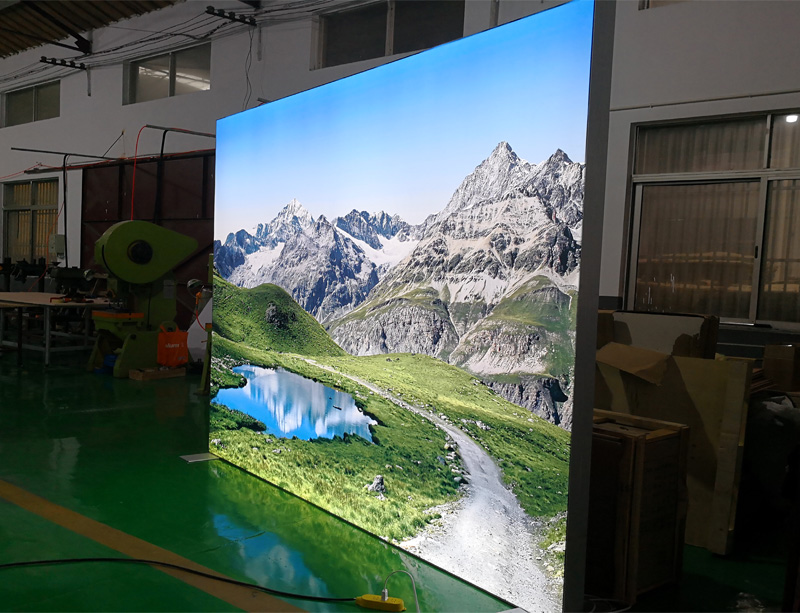
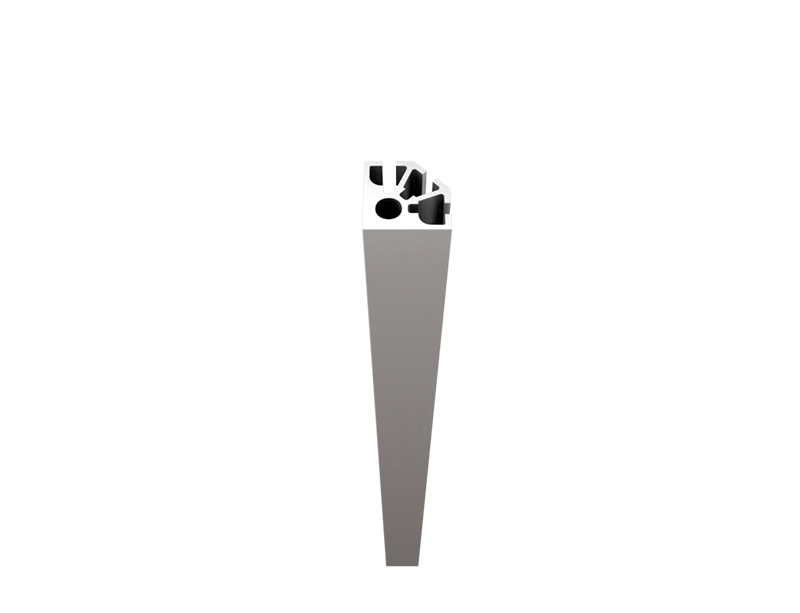
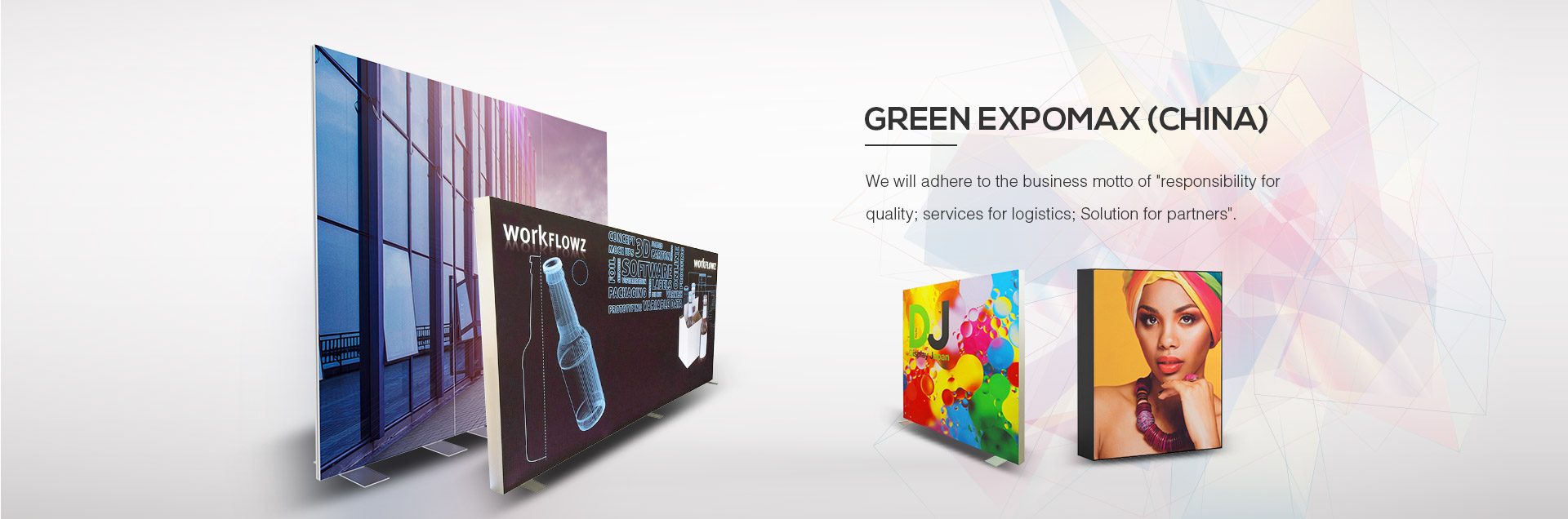
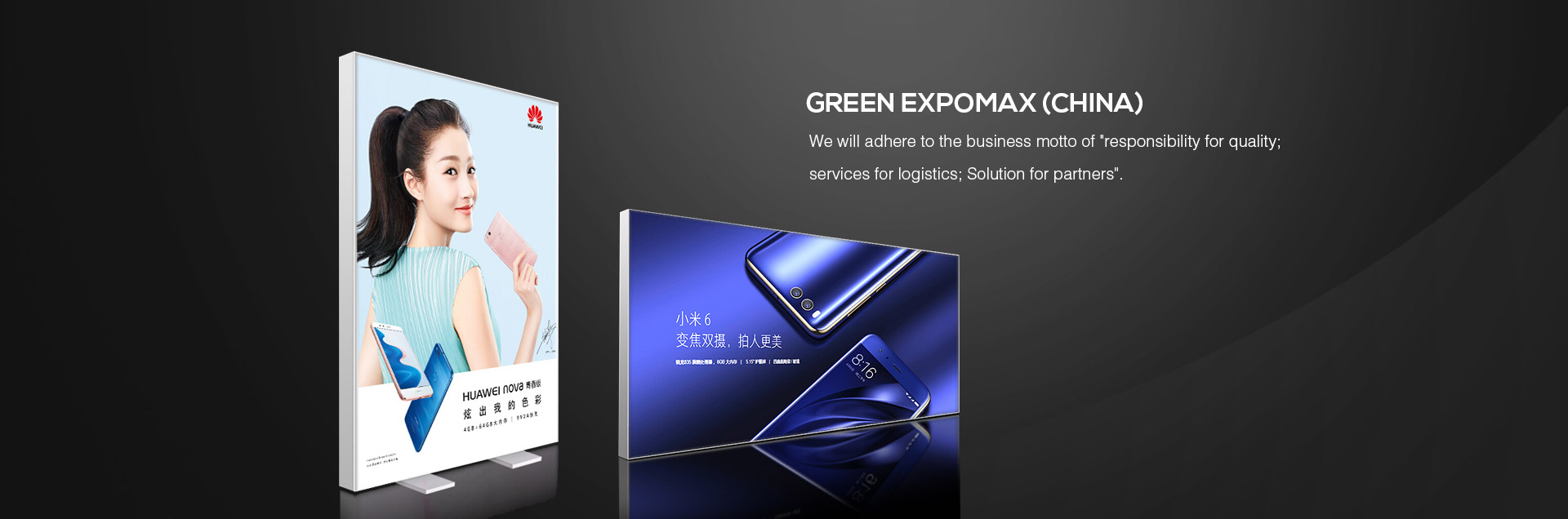
An LED lightbox display is an illuminated sign or presentation structure that places a printed graphic in front of an LED light source. Most systems use an aluminum frame because aluminum provides a lightweight structure with consistent dimensions and a clean finish. The graphic may be printed on translucent fabric, film, acrylic, or another light-diffusing material, depending on the display format and viewing distance.
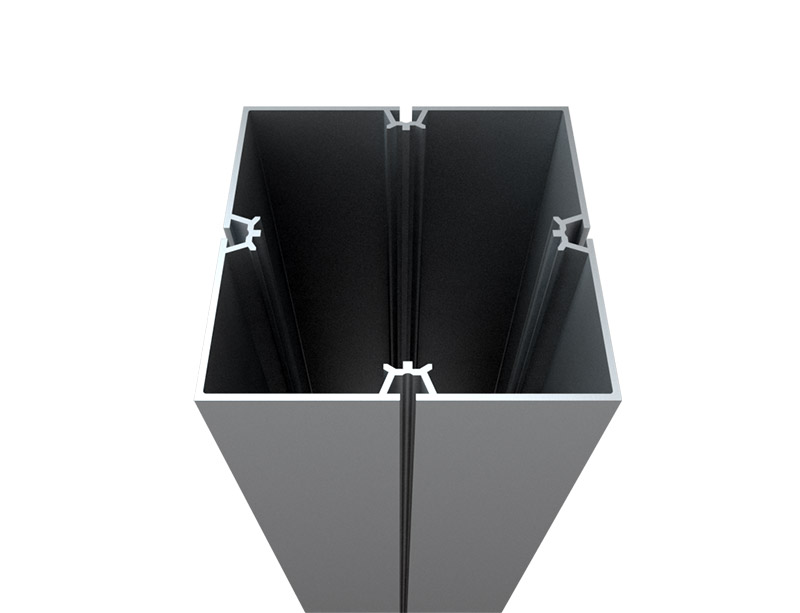
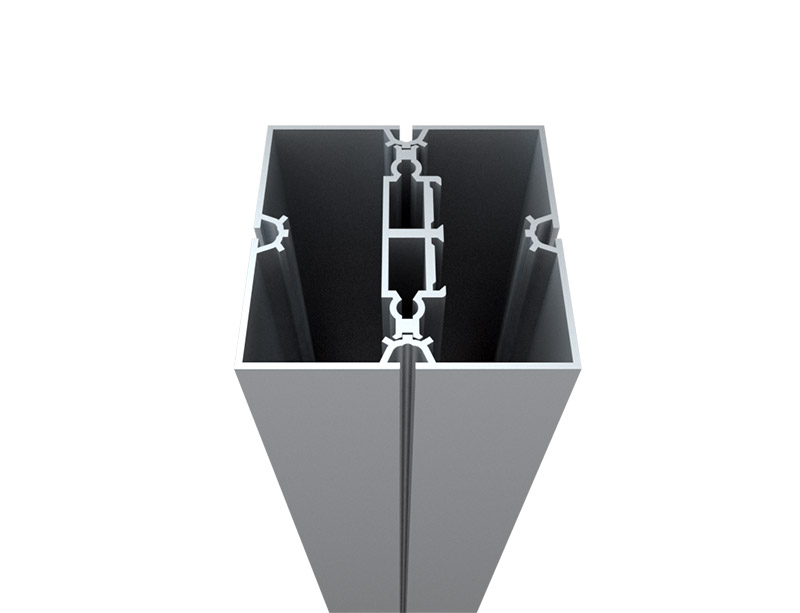
Many modern systems use a silicone edge graphic, commonly called an SEG graphic. A narrow silicone strip is sewn or attached around the graphic perimeter and inserted into a recessed channel in the frame. This method keeps the graphic tensioned across the illuminated face and allows the fabric to be removed, folded, shipped, stored, and replaced for a later campaign.
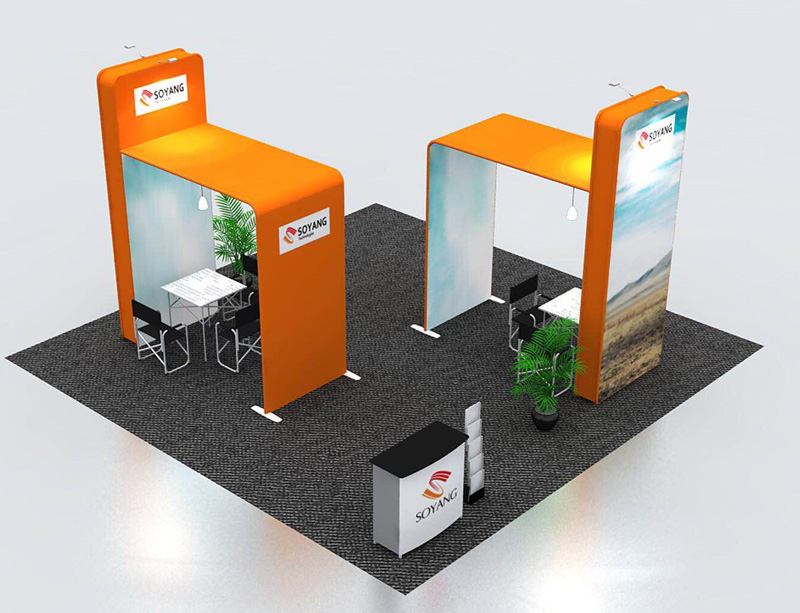
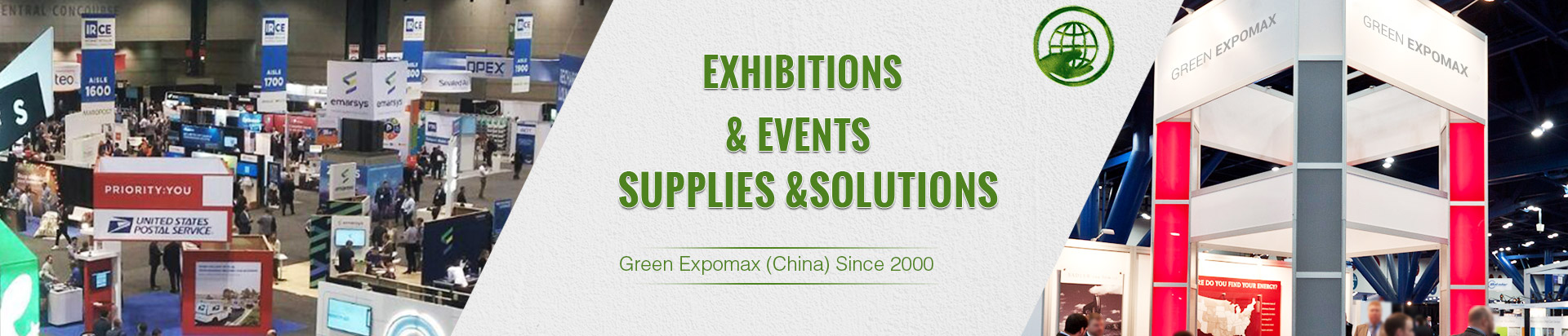
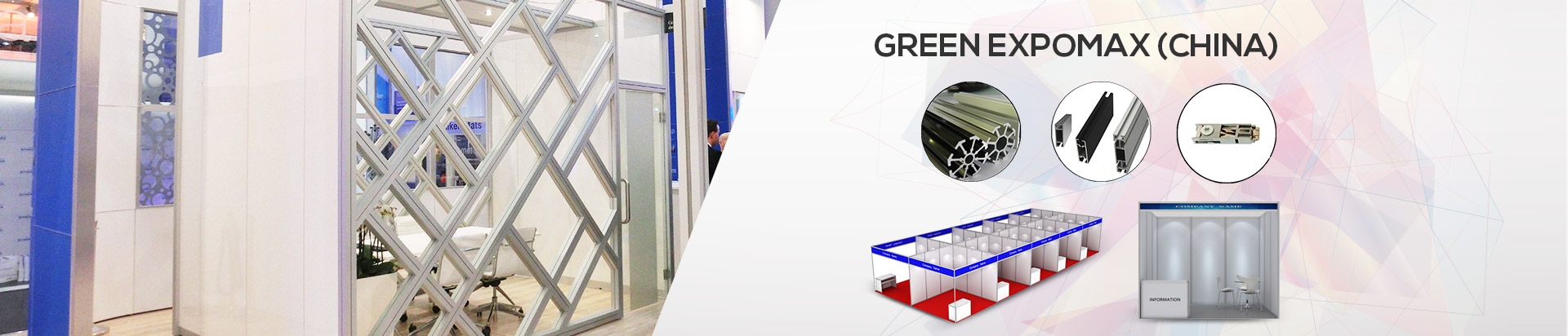
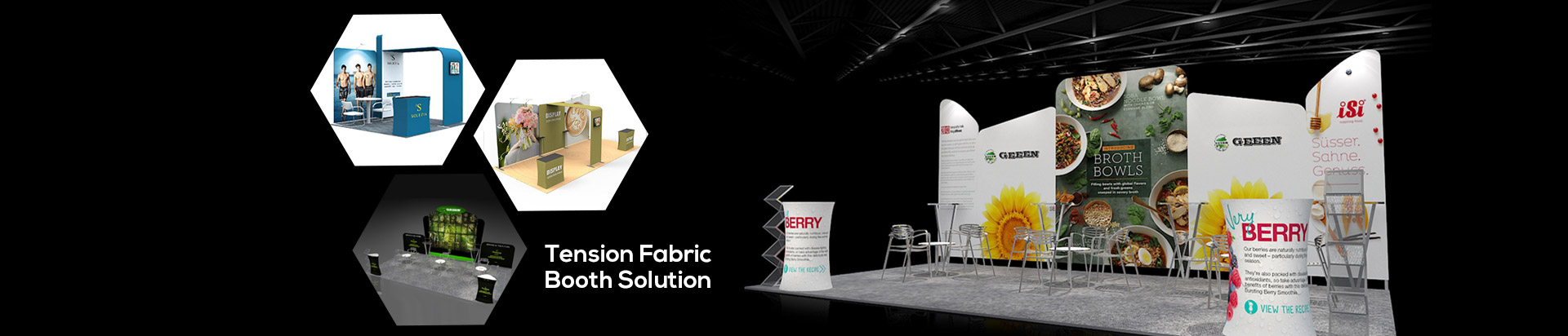
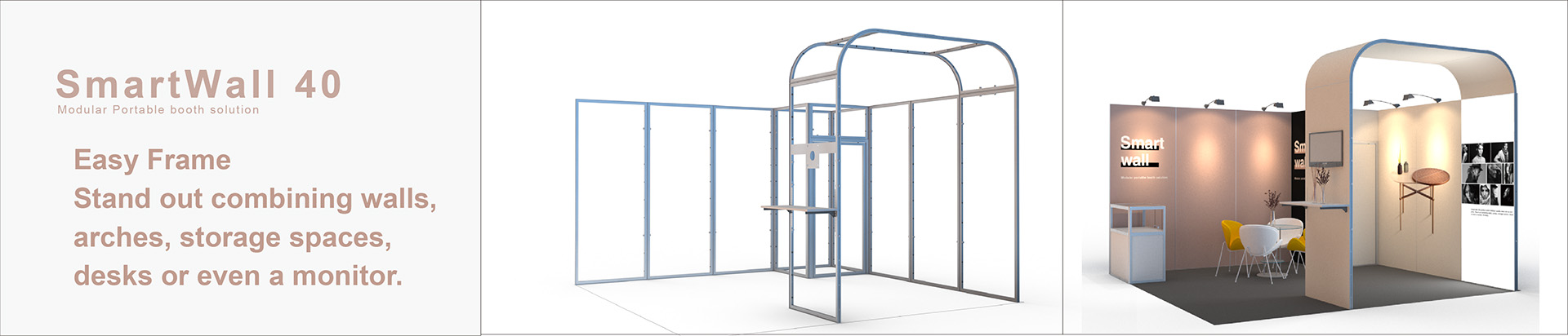
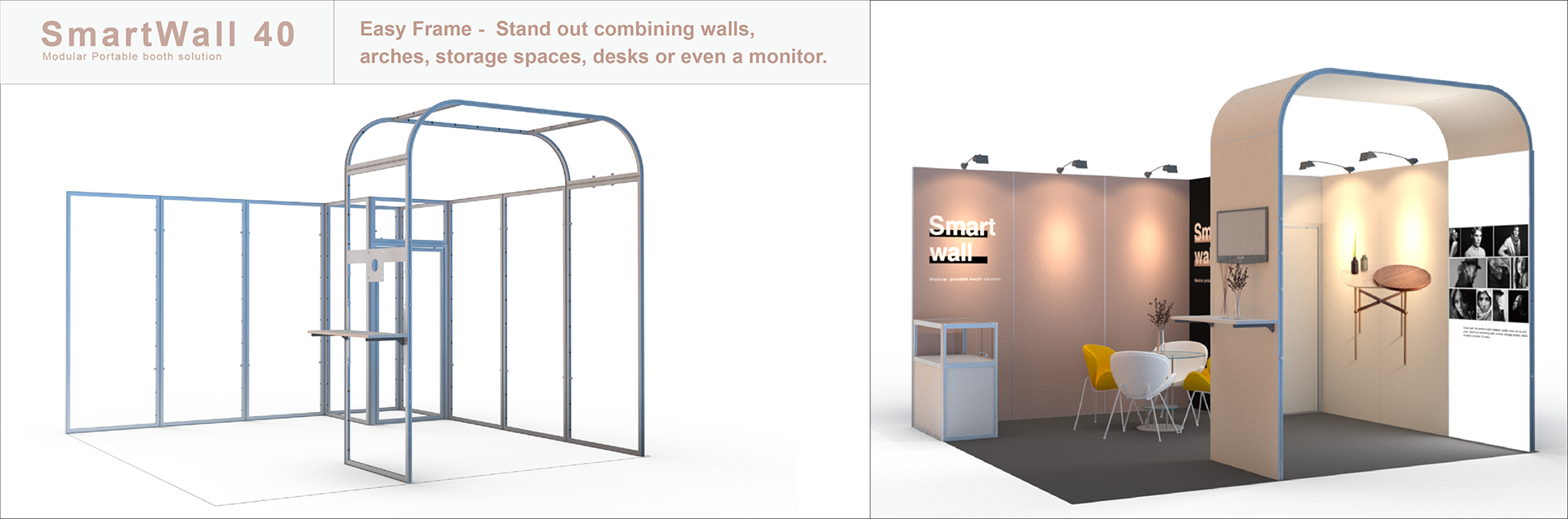
LED lightboxes can be single-sided, double-sided, wall-mounted, freestanding, portable, or integrated into a larger exhibition system. Green Expomax describes its business as focused on aluminum exhibition and event products, with approximately 15 years of manufacturing experience, a 3,000-square-meter factory, and exports to more than 40 countries. Its product range includes modular exhibition systems, tension fabric displays, SEG systems, booth solutions, and backlit stands.
!
LED lightbox displays attract visitors by increasing the visual difference between the message and its surroundings. A bright, evenly illuminated graphic is easier to detect against darker walls, crowded booths, printed posters, and ordinary retail fixtures. That first visual advantage can increase the chance that a person notices the display, but the design and placement determine whether the person stops, reads, and responds.
Brightness is the first mechanism I assess, especially for storefront signage, shopping malls, airports, and exhibition halls with mixed lighting. A backlit graphic can remain visible where a non-illuminated poster loses contrast because of shadows or uneven ambient light. However, maximum brightness is not automatically better because glare can cause discomfort, wash out pale colors, or make text harder to read at close range.
For this reason, I treat brightness as a viewing-condition specification rather than a single marketing number. A display facing a sunlit storefront may need a different output from a booth used inside a dim conference hall. I also inspect the graphic from the expected approach distance, because a surface that looks attractive at two meters may appear overly bright or visually flat at ten meters.
Contrast helps visitors separate the main message from the background. I normally recommend one dominant headline, one supporting idea, and one clear action, such as visiting a counter, scanning a code, testing a product, or speaking with a representative. When every element has the same visual weight, the illumination may attract attention without communicating what the visitor should do next.
Dark lettering on a bright background can work well when the graphic remains readable under the actual lighting conditions. Strong color contrast also helps, but I avoid using several saturated colors at equal intensity because they can compete for attention. The best result usually comes from a controlled palette, a visible brand element, and enough empty space around the main message.
Backlighting can make colors appear more vivid than they do on an unlit printed sign. This is particularly useful for retail campaigns that depend on product color, food photography, fashion imagery, or a recognizable brand palette. I still request a physical proof or lighting sample when color accuracy matters because the fabric, ink, diffuser, LED color temperature, and viewing angle can alter the final appearance.
A memorable graphic should connect the illuminated visual to a specific product or benefit. A large logo alone may improve recognition, but a product image paired with a short value statement gives visitors more information to retain. For repeat campaigns, reusable frames allow the business to refresh the graphic without replacing the complete display structure.
Placement determines whether the display enters a visitor’s natural sightline. For LED lightbox displays for retail storefronts, I consider the approach direction, window reflections, aisle width, door position, shelf height, and the distance at which customers can first see the sign. A lightbox placed behind a visual obstruction may produce less useful exposure than a smaller display positioned directly along the customer path.
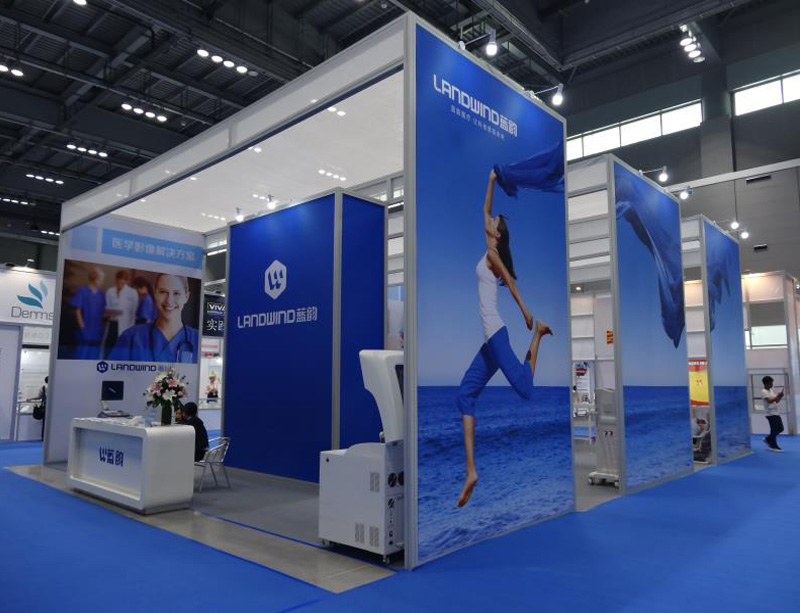
At trade shows, I usually place the display high enough to be seen above neighboring structures while keeping the main message readable from the aisle. I also position staff near, but not directly in front of, the illuminated graphic. The display should attract attention first, while the staff member provides the explanation and conversion path.
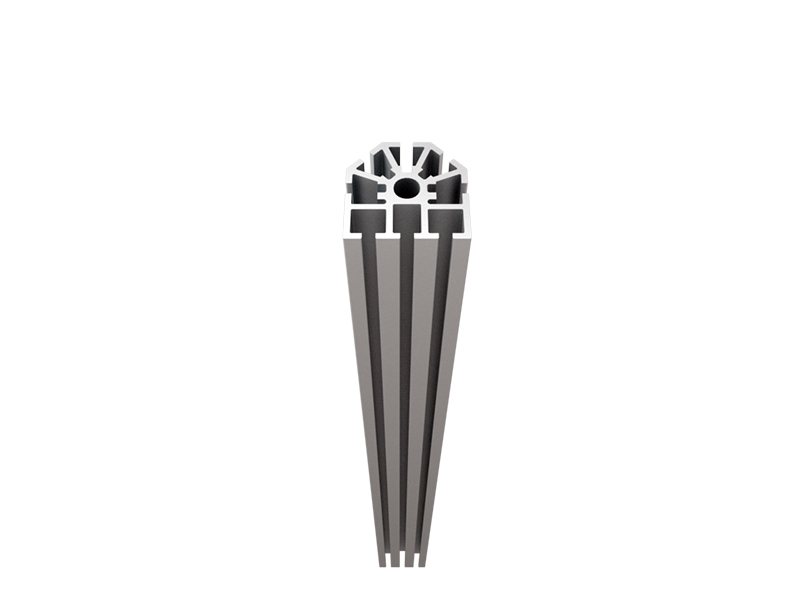
An LED lightbox normally combines four functional elements: an aluminum frame, an LED illumination system, a light-management layer, and a printed graphic. The frame holds the components in alignment and may include a recessed channel for an SEG graphic. The LEDs may be arranged along the edges or across the rear of the display, depending on the frame depth and required uniformity.
Edge-lit LED lightbox technology uses LEDs around the perimeter and a light guide or diffuser to distribute illumination across the face. This format can reduce depth and weight, which is useful for wall-mounted signs and portable exhibition systems. Direct-lit systems place LED modules behind the graphic and may provide stronger output for larger displays, although the internal spacing and diffuser design must prevent visible hotspots.
The graphic material also affects the result. Translucent fabric can provide a soft appearance and is practical for folding and transportation, while rigid panels may provide a different surface finish and structural feel. For SEG systems, the sewn silicone edge must match the frame channel accurately; incorrect tension, inaccurate dimensions, or damaged seams can create wrinkles and visible gaps.
The main LED lightbox display benefits are visibility, professional presentation, graphic reusability, portability, and modularity. Illumination helps the message remain visible in uneven lighting, while an aluminum frame gives the display a defined structure. In retail and events, this combination can make a product zone, reception point, or booth wall easier to identify from a distance.
Reusable graphics can reduce waste when the frame remains in service across multiple campaigns. A retailer may keep the same frame while changing seasonal promotions, product launches, or brand messages. An exhibitor may transport the frame in a case and replace only the fabric graphic for each event, although the savings depend on graphic durability, storage conditions, shipping charges, and the number of planned uses.
Modularity is another practical benefit. A business can specify a single-sided wall display for a fixed location, a double-sided illuminated sign for traffic approaching from two directions, or a larger SEG structure for a trade show booth. Systems that share compatible frames, connectors, lighting components, and cases can simplify future expansion.
When I compare LED lightbox displays vs traditional signs, I focus on the complete operating context rather than illumination alone. Traditional printed signs normally require less electrical planning and may be suitable for short-term indoor messages, low-traffic areas, or locations where power is unavailable. LED lightboxes provide stronger visual presence in many conditions, but they add electrical components, lighting maintenance, and venue compliance requirements.
| Factor | LED Lightbox Displays | Traditional Printed Signs |
|---|---|---|
| Visibility | Illuminated and easier to detect in dim or mixed lighting | Dependent on ambient light and placement |
| Graphic changes | Fabric or panel graphics can be replaced | The complete printed sign may need replacement |
| Energy use | Requires a power supply and operating electricity | Usually no operating power |
| Presentation | Structured frame with illuminated visual depth | Flat presentation with fewer components |
| Maintenance | Requires inspection of LEDs, cables, and power supplies | Mainly involves surface cleaning and replacement |
| Portability | Portable systems can be packed and reused | Lightweight, but the sign format may be less modular |
| Best application | Retail focal points, booths, receptions, and branded environments | Temporary notices, low-cost graphics, and low-traffic areas |
LED lightboxes should also be separated from digital signage. A lightbox generally presents a fixed printed graphic, so it does not require content software, screens, or network management. Digital signage can change messages frequently and display video, but it may involve higher equipment cost, technical support, and content production requirements.
LED lightboxes are not effective in every location. Glare can reduce readability, excessive brightness can create visual discomfort, and uneven illumination can produce bright edges or dark zones. I test the display from multiple angles before approving production because a graphic that looks uniform straight on may show problems when viewed from the side.
Power requirements also need attention. I check the available voltage, outlet position, cable route, power-supply capacity, and venue restrictions before shipping the display. Trade show halls may restrict electrical work, exposed cables, wall fixing, or hanging structures, while retail sites may require landlord approval and fire-safety documentation.
Setup failures often result from incorrect frame assembly, missing connectors, damaged graphic edges, insufficient time for lighting tests, or poor storage. A low-traffic location can create another limitation: even a visible display may produce little commercial value if few qualified visitors pass it. I therefore evaluate traffic volume and audience relevance before treating an LED lightbox as a justified purchase.
I use the following checklist before selecting a display for a storefront, event, restaurant, shopping mall, or SaaS event booth:
I also request a lighting sample when the display will represent precise brand colors or high-value products. Supplier-reported specifications should be separated from verified performance observations, so I ask for test conditions, measurement distance, LED arrangement, power details, and graphic material before comparing quotations.
I begin by defining the intended action, not by choosing the frame size. For a retailer, the action may be entering a store or visiting a product display; for an exhibitor, it may be starting a conversation or scanning a code. The graphic then needs to communicate that action within the time available as visitors pass.
Next, I map the visitor route and select the first visible position. I test the display with the actual lighting, surrounding signs, floor materials, and staff arrangement. I record whether visitors look toward the graphic, slow down, stop, ask a question, scan a code, enter the space, or continue walking.
After installation, I compare performance against a defined baseline. Useful measurements include daily foot traffic, stops per 100 passersby, conversations per 100 stops, qualified leads per event, scans, store entries, and sales attributed to the campaign. A simple calculation is: conversion rate = completed actions ÷ measured display interactions × 100.
I also review the display after each campaign. If people notice the lightbox but do not stop, the message may be unclear or the offer may be weak. If they stop but do not engage, staff positioning, product relevance, or the next action may need adjustment. This attention-to-action framework gives the display a measurable commercial role instead of treating brightness as the only success measure.
LED lightbox displays can be worthwhile for small businesses when the location has consistent, relevant traffic and the frame will be reused across multiple campaigns. A storefront, salon, restaurant, showroom, or local event booth may benefit from stronger visibility and a more structured presentation than a flat printed poster provides. The financial case becomes weaker when the display is used once, placed in a low-traffic area, or purchased without accounting for storage and replacement graphics.
I calculate the expected cost per campaign by dividing the complete ownership cost by the number of planned uses. That calculation should include the display frame, LEDs, fabric graphics, power components, shipping, storage, installation time, repairs, and future graphic changes. If the display increases qualified visits, conversations, or sales, I compare those measured outcomes with the campaign cost rather than relying on appearance alone.
How do LED Lightbox Displays Attract Visitors? They attract attention by combining controlled illumination, strong contrast, saturated graphics, and strategic placement in the visitor’s natural sightline. The display becomes more effective when its message is brief, its lighting is uniform, its frame suits the environment, and the visitor has a clear next action.
I recommend evaluating LED lightbox displays through both visual performance and commercial measurement. Confirm brightness, viewing distance, color temperature, frame depth, graphic material, power draw, shipping, storage, and venue restrictions before ordering. For retail storefronts and trade shows, reusable aluminum frames and SEG fabric graphics can support repeated campaigns, while a structured measurement plan can show whether visibility becomes stops, conversations, qualified leads, or sales. Green Expomax’s range of modular exhibition, tension fabric, SEG, and backlit display systems illustrates how LED lightboxes can function as part of a broader reusable exhibition and visual merchandising setup.
Previous: None
Next: Who We Are


Copyright © Green Expomax (China) Exhibition Equipments Co.,Ltd. All Rights Reserved | Sitemap |