


A reusable exhibition stand only pays back if it is managed as a programme with storage, inspection and refurbishment between shows. The number that decides the question is cost per show, not purchase price, and the exhibitors who get the best result are the ones who treat the stand as a piece of equipment with a maintenance cycle rather than a purchase that ends at handover.
Most exhibitors compare a modular aluminium system against a one-off custom build on price alone, which is misleading. A custom build is priced per show; a modular system is priced once and then costs money each time it is shipped, set up, cleaned, repaired and updated. Whether reuse wins depends on show frequency, shipping distance, how quickly graphics change, and whether anyone inspects the stand between events.
This article covers what degrades between shows, what a refurbishment cycle looks like, how cost per show should be calculated, and which system suits which exhibiting pattern. For product-level sourcing, the Green Expomax guides on selecting the right trade show booth kit size and modular display walls for fast branding cover that side.
Custom one-off build carries a roughly constant cost per show, because every event needs new materials, new labour and new disposal, and the only thing that carries over is the design file. The advantage is free geometry; the disadvantage is that nothing improves with repetition.
Rental carries low commitment and moderate cost per show, with the rental house absorbing storage, maintenance and repair. It suits exhibitors at one or two events, or testing a new market, and stops making sense as show count climbs because the exhibitor pays for the supplier's storage and risk every time.
Owned modular aluminium sits between the two: high first cost, declining cost per show. The crossover against custom build typically lands after a handful of shows, and against rental later, because ownership adds shipping, storage and refurbishment obligations. The practical conclusion is that reuse is an operational decision rather than a purchasing one, and an exhibitor with no storage and no owner between events will not see the theoretical savings however well the system is engineered.
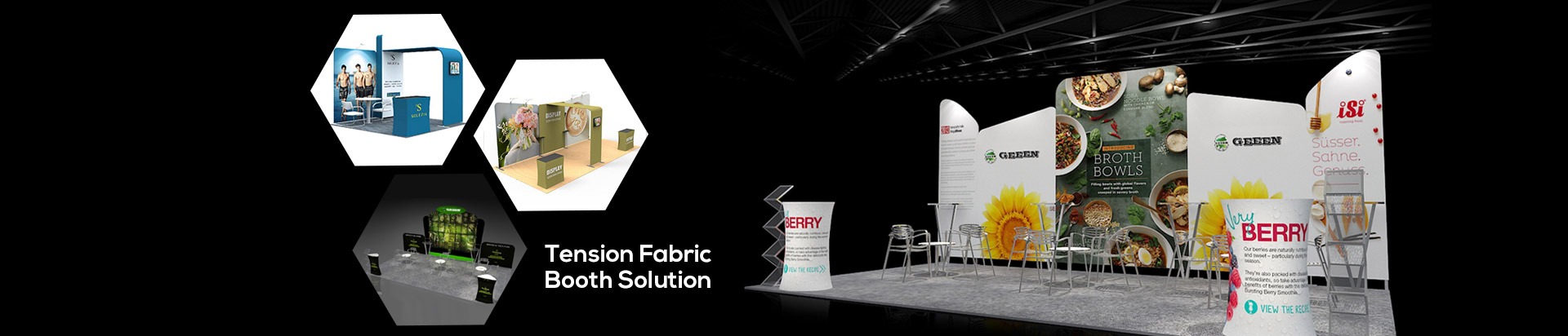
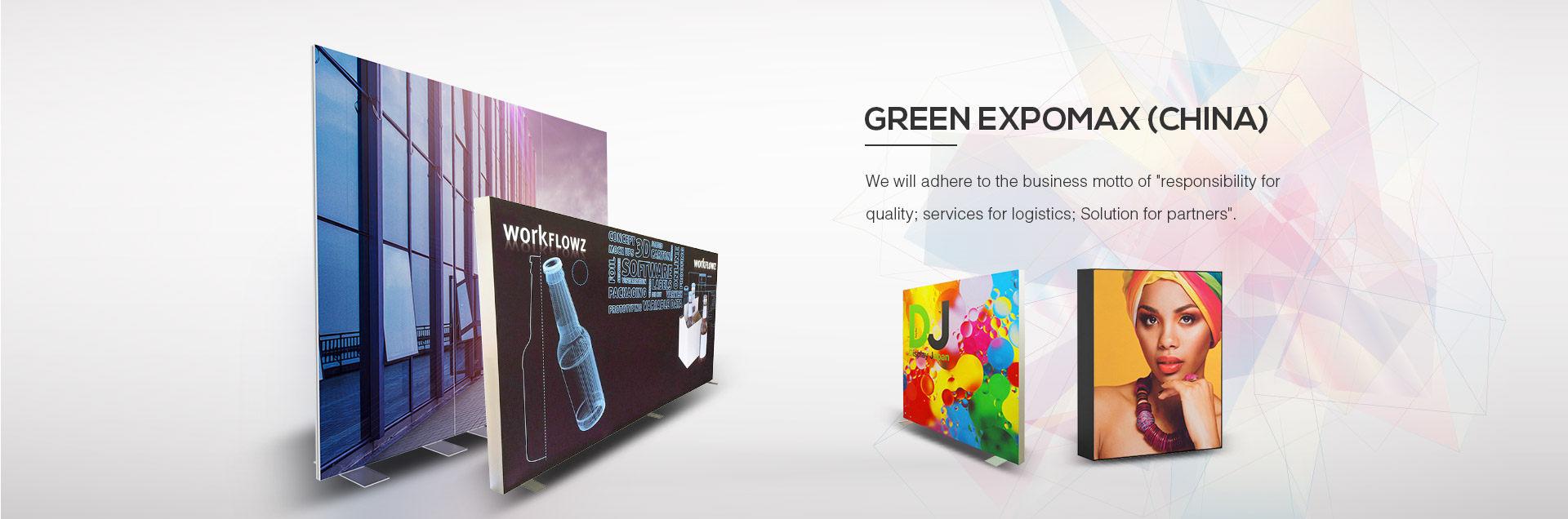
Graphics wear first. Tension fabric and SEG graphics pick up creases from packing, scuffs at the edges, and damage at the silicone beading that holds them into the frame, and beading damage is the most common reason a graphic is replaced before the brand message has changed.
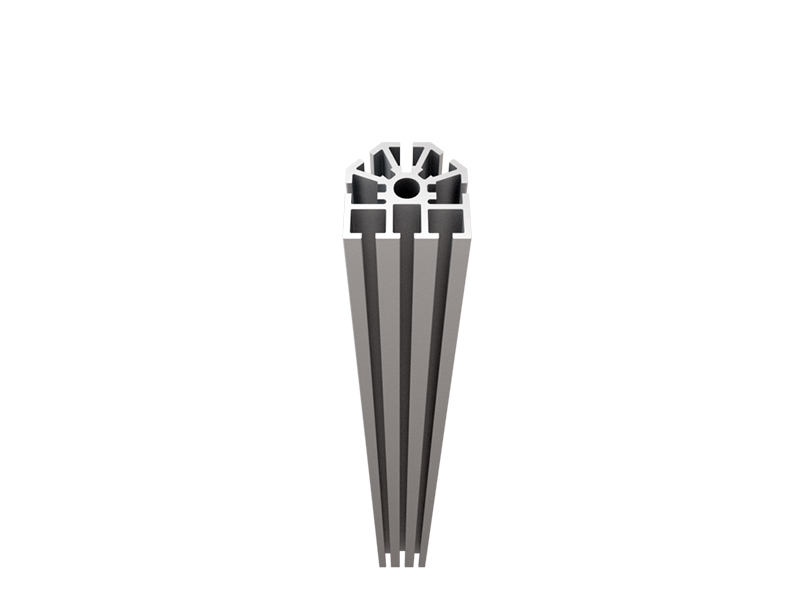
Aluminium structure wears slowly but predictably: scratched extrusions, missing connectors and fasteners, and occasionally a bent beam after a rough freight leg. None of these are structural failures on a well-specified system, but they show on a stand meant to look premium.
LED and electrical parts fail on their own schedule. Drivers fail, connectors are damaged in transit, and colour temperature can drift between replacement batches, which matters when a backlit wall is built from several panels that have to match.
Panels and laminates chip at the edges, usually from packing without separators or dragging rather than lifting. Cases and crates fail last but cost the most when they do, because a broken wheel or latch on site turns a routine setup into a problem and then damages the contents on the next leg.
Branding goes out of date independently of physical wear. A new logo, campaign or discontinued product makes a sound graphic unusable, which is why the graphic audit belongs in the refurbishment cycle rather than the week before a show.
Post-show inspection on site, before packing, logging damage while the stand is still assembled and the cause is still obvious. Then cleaning and drying before storage, because fabric stored damp will be stained by the next show and aluminium stored dirty becomes harder to clean.
Damage log against the packing list records what is missing, what is damaged, and what needs replacing before the next event rather than at the next event. Repair and replacement belongs in the quiet period: components ordered between shows arrive on time at standard cost, while components ordered the week before arrive by air freight.
Graphic audit against the current brand decides which graphics are reused, which are reprinted, and which need a new message. Repack with an updated packing list and label cases by function rather than sequence, because crews setting up early need to find the backwall, not case number four.
Storage should be dry and temperature-stable, with cases stacked within rating and heavy items never on top of fabric cases.
The right approach depends on how often the stand travels and who is responsible for it between events.
| Exhibiting pattern | Recommended system | Storage approach | Refurbishment priority | Cost per show target |
|---|---|---|---|---|
| One flagship show per year | Custom build or rental | Not applicable | None beyond show service | Lowest total spend |
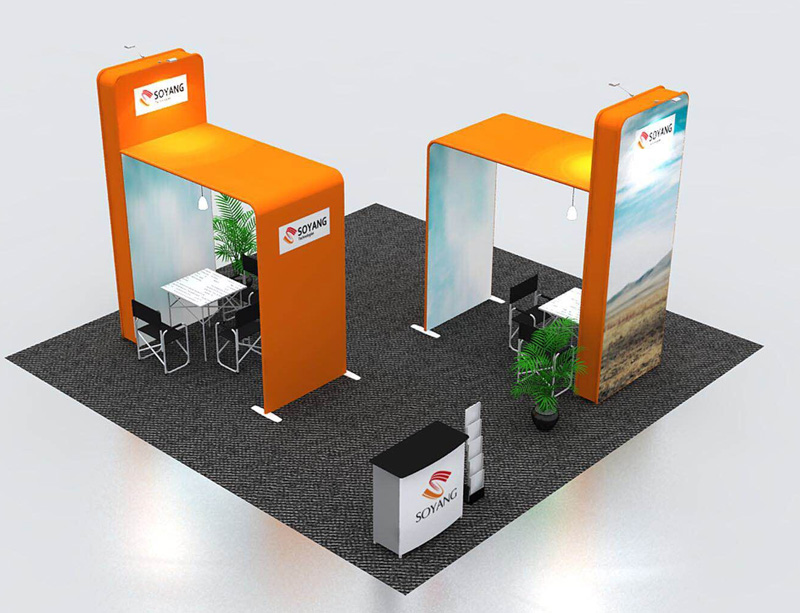
| Two to four regional shows per year | Modular aluminium kit | Exhibitor warehouse or local depot | Graphic refresh and consumables | Below custom build after second show |
| Six to ten international shows per year | Modular system with regional graphic swap | Regional depot near show circuit | Structural spares and duplicate graphics | Well below custom build and rental |
| Fifteen or more shows per year, multiple teams | Standardised modular fleet with duplicate kits | Multiple depots, managed inventory | Scheduled refurbishment every cycle | Minimum cost per show, maximum consistency |
| Exhibit house running client stands | Modular fleet in rental inventory | Supplier warehouse | Repair capacity in house | Rental margin per deployment |
| Distributor or reseller building local inventory | Standard modular packages | Distributor warehouse | Spare parts stocking | Resale plus rental revenue |
The pattern is consistent: below roughly three shows a year, ownership rarely wins. Above it, ownership wins decisively, provided somebody owns the maintenance cycle.
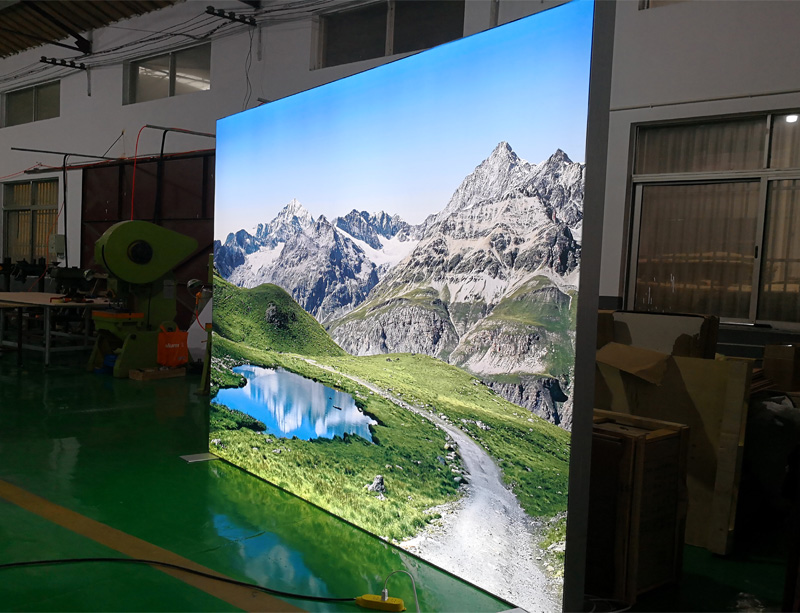
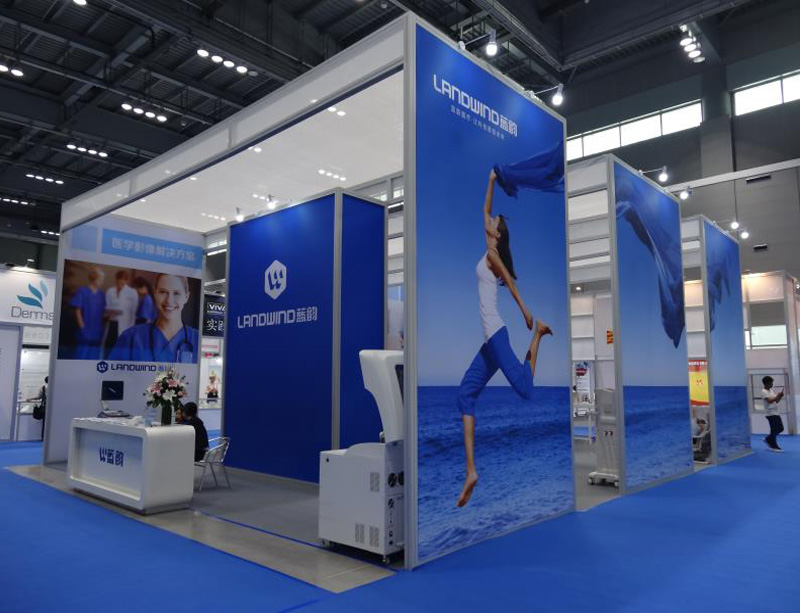
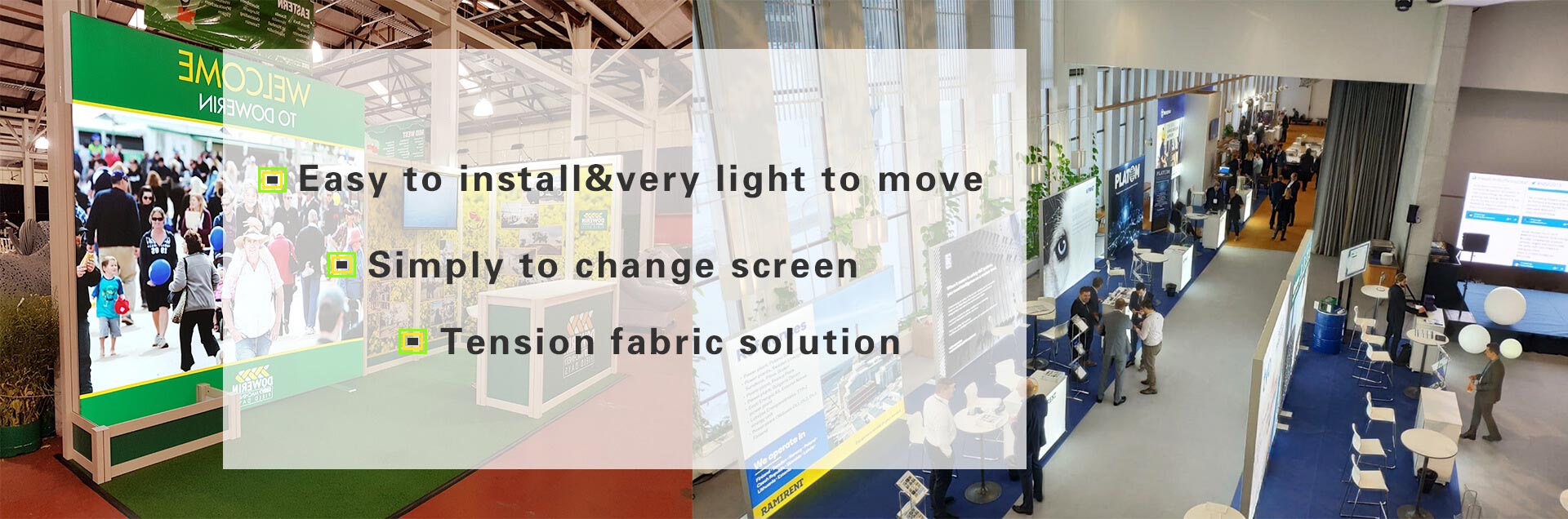
Machinery exporter on a European circuit. An industrial exporter running six shows a year standardised on a modular shell scheme base with a backlit SEG backwall as the brand element. The structural kit was reused unchanged, and graphics were reprinted only when the campaign changed. The saving came less from the hardware than from removing the per-show build cost and from crews who had assembled the same stand six times.
Consumer brand on a global circuit. A brand at more than a dozen events a year moved to duplicate kits in two regional depots so the stand shipped regionally rather than internationally. Freight fell sharply and crew training transferred between regions, at the cost of managing two inventories.
Regional distributor building a rental fleet. A distributor bought standard modular packages into rental inventory instead of custom builds per client. The decisive change was refurbishment capacity: repair brought in house meant stands returned to service quickly, and the fleet earned revenue per deployment rather than per sale.
The following is a qualitative summary of recurring themes in feedback from exhibitors and partners running reuse programmes. It is not a sentiment index, score or net rating of any kind, and no numerical weighting is applied. It groups what customers consistently mention after several show cycles.
Repeatability of setup. Exhibitors report that standardising on one system means crews learn it once and then assemble it faster every time, which shortens venue labour hours.
Durability of the aluminium structure. Repeat buyers mention the structure outlasts many graphic cycles, and that the consumable element is fabric rather than frame.
Consistency across venues. Brands with regional teams value that the same kit produces the same stand in different halls, protecting brand consistency more reliably than local custom building.
Improvement requests. The most common request is clearer spare-part identification and a recommended spares list issued with the original order, so replacements can be ordered before a show rather than during it.
Calculate cost per show over a realistic horizon, including shipping, storage, refurbishment and graphic reprints, not just the invoice value.
Assign an owner to the stand between events, because reuse programmes fail from neglect rather than product failure.
Order spares with the original system. Connectors, drivers and beading are cheap at purchase and expensive a week before a show, and a duplicate graphic set costs less than deadline reprinting.
Inspect on site before packing, since damage logged at teardown is diagnosable while damage found at the next venue is not.
Label cases by function. Setup crews need to find the backwall, not case four.
How many shows before a modular stand pays back? Commonly after around three shows against a custom build, depending on shipping distance and local labour rates. Against rental the crossover comes later because the exhibitor takes on storage and maintenance.
What wears out first? Graphics and their silicone beading, followed by consumable electrical parts such as LED drivers and connectors. The aluminium structure typically outlasts many graphic cycles.
Can graphics be replaced without changing the frame? Yes. That is the point of tension fabric and SEG systems: the frame stays and the graphic changes, which is why rebranding does not require a new stand.
Do I need spare parts? Yes, ordered with the original system. A small kit of connectors, drivers and beading prevents most on-site problems.
How should the stand be stored? Dry, stable temperature, cases stacked within rating, heavy items never on top of fabric cases, and graphics clean and fully dry before packing.
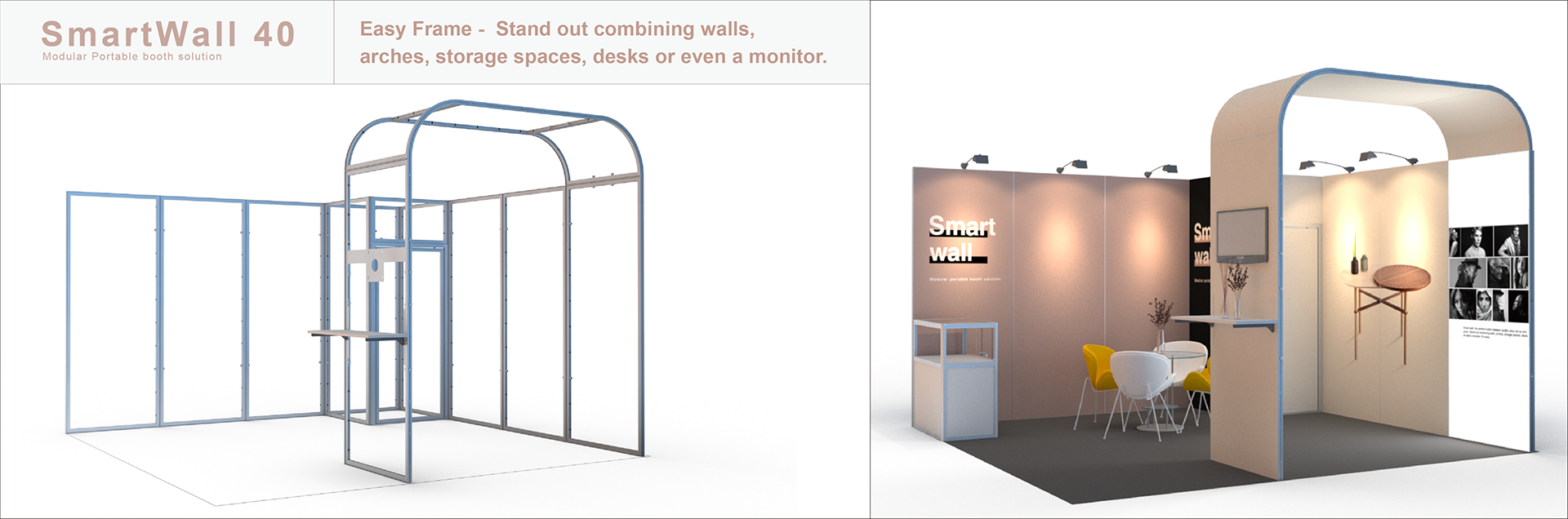
Can one kit serve different hall sizes? Yes, within limits. Modular systems reconfigure between inline and island footprints, which is why exhibitors standardise on them across a circuit.
Green Expomax (China) Exhibition Equipments Co., Ltd. has produced aluminium exhibition and event products in Changzhou for about 15 years from a 3,000 square metre factory, exporting to the USA, UK, Australia, Saudi Arabia and more than 40 countries. The range covers shell scheme stands, tension fabric and pipe systems, SEG backlit stands and event stage, wall and floor systems, with custom booth design and manufacture.
Send your show calendar, booth sizes and target markets, and the team will propose a system configuration, a spares list and a refurbishment plan.
Contact sales@green-expomax.com for a reuse programme proposal, spares list and quotation.
Previous: None
Next: Who We Are


Copyright © Green Expomax (China) Exhibition Equipments Co.,Ltd. All Rights Reserved | Sitemap |