

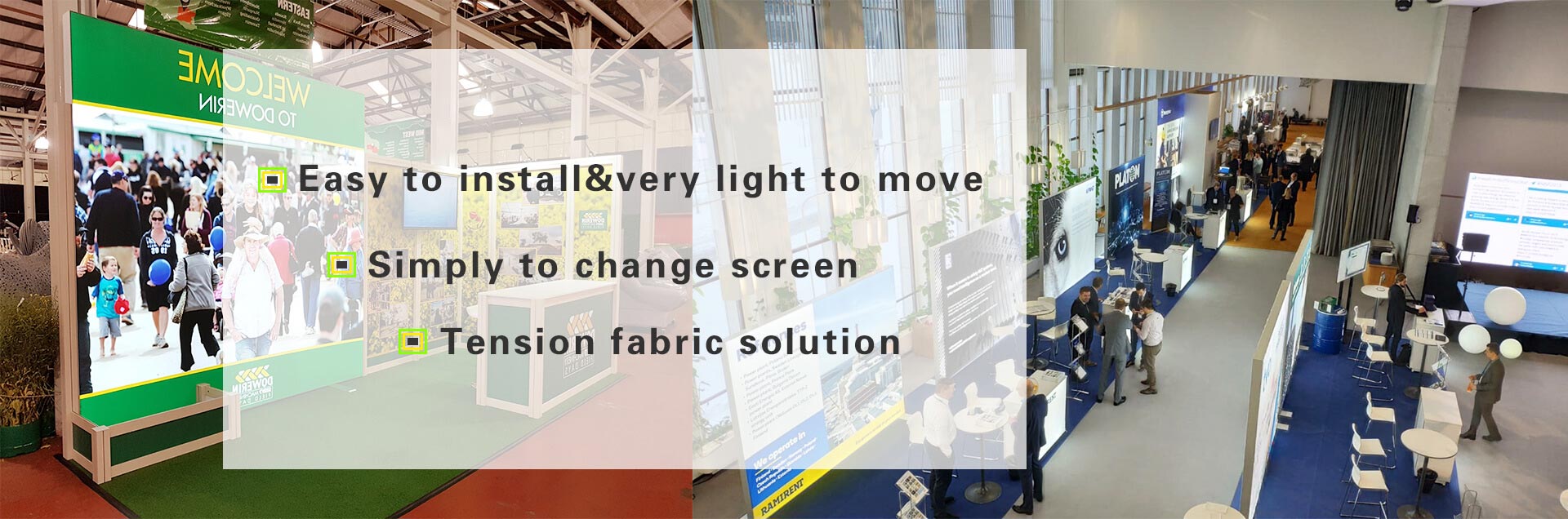
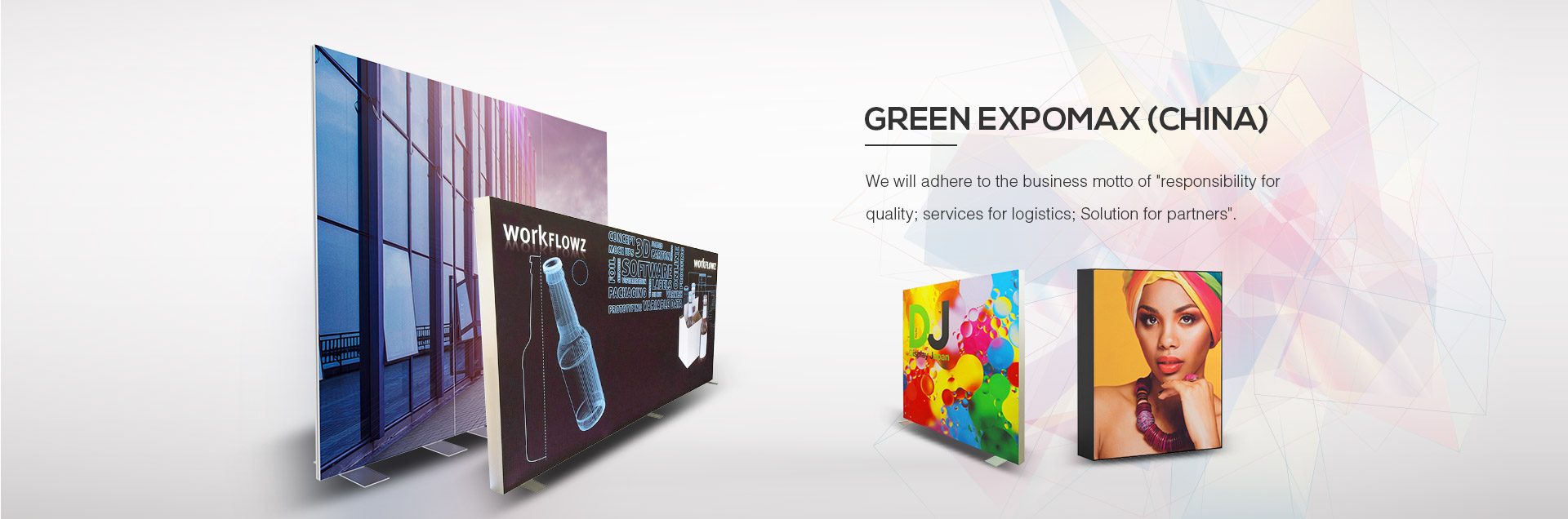
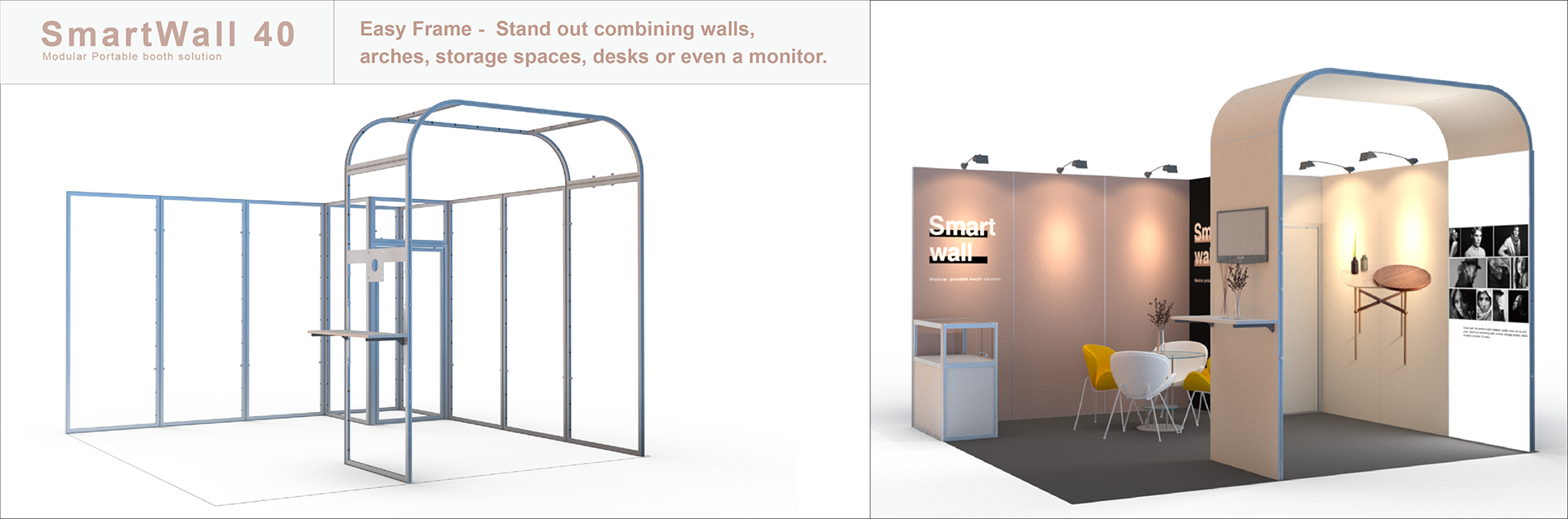
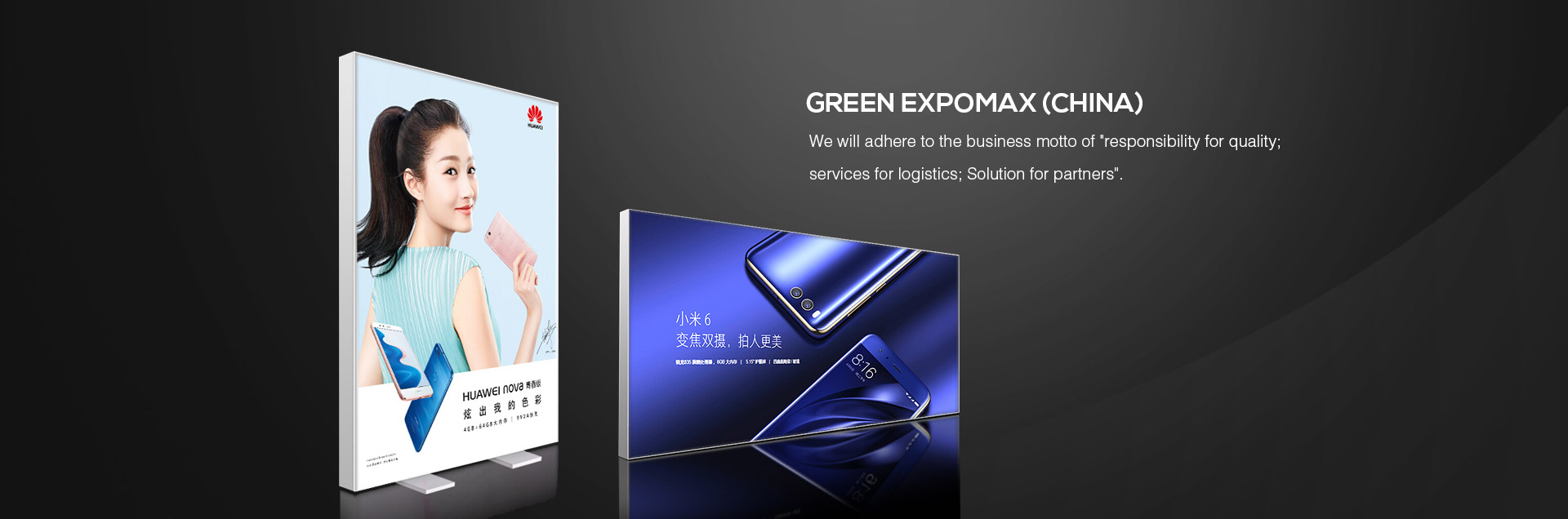
An SEG Light Box Buying Guide for Exhibition and Retail Displays should help buyers compare the frame, silicone-edge graphic, LED system, power supply, installation method, and long-term operating cost. I use this guide to assess SEG Light Box systems for trade shows, retail stores, shopping malls, permanent branded walls, and multi-location rollouts. The objective is not simply to select the brightest display, but to match the construction, image quality, portability, and service support to the installation environment.
!
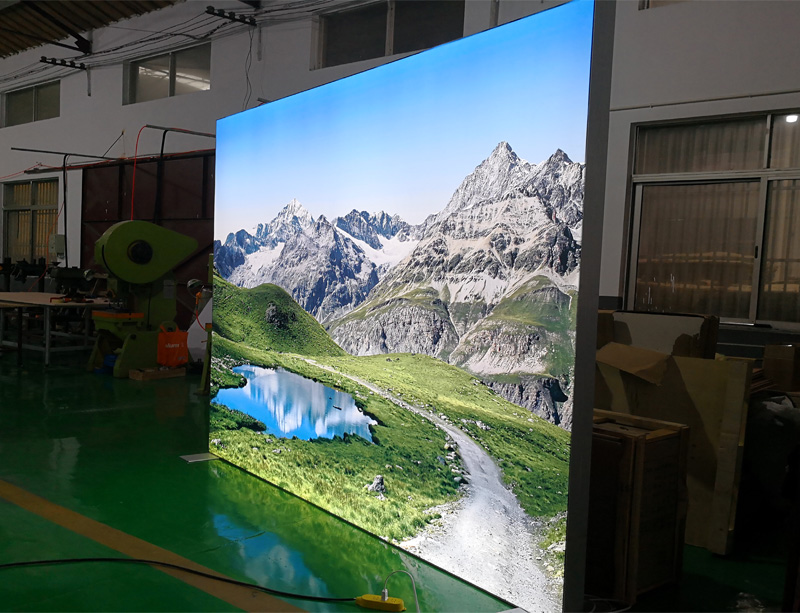
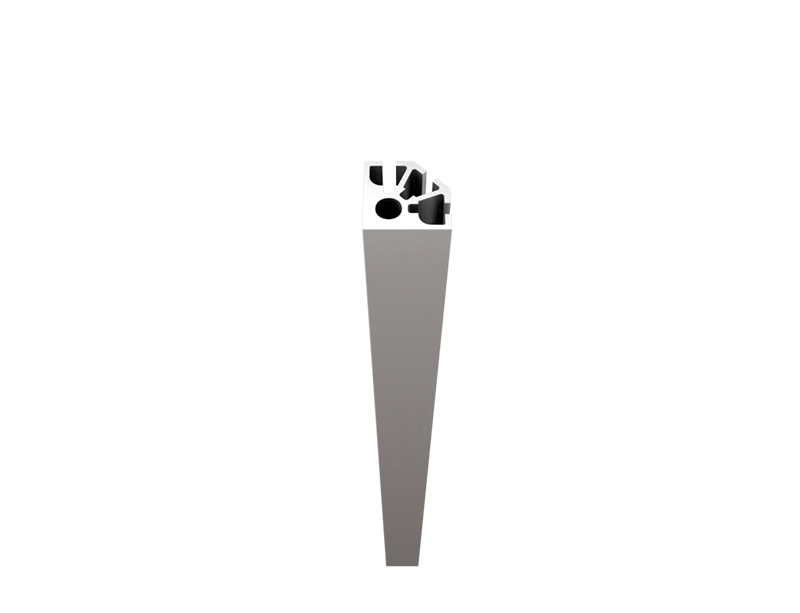
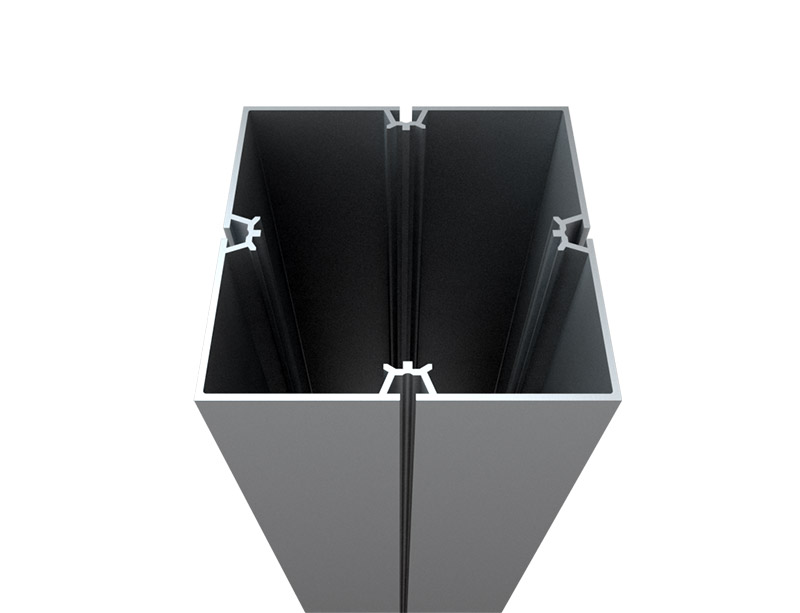
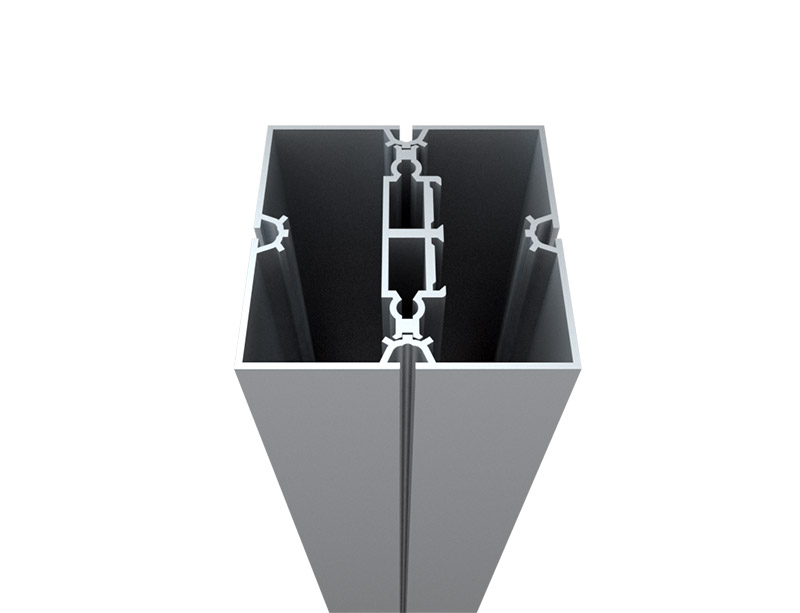
An SEG light box combines a silicone-edge fabric graphic, aluminum frame, and integrated LED lighting. The graphic has a sewn silicone strip around its perimeter, which is pressed into a narrow channel in the frame. Once the fabric is tensioned, the display presents a flat illuminated surface without the visible plastic borders commonly associated with older light boxes.
The main components are connected as one display system. The aluminum frame provides structural support, the LED system produces illumination, the diffusion layer spreads light behind the print, and the power supply converts incoming electrical current to the voltage required by the LEDs. If any one of these parts is poorly specified, the result can include wrinkles, dark zones, color shifts, loose edges, or premature electrical failure.
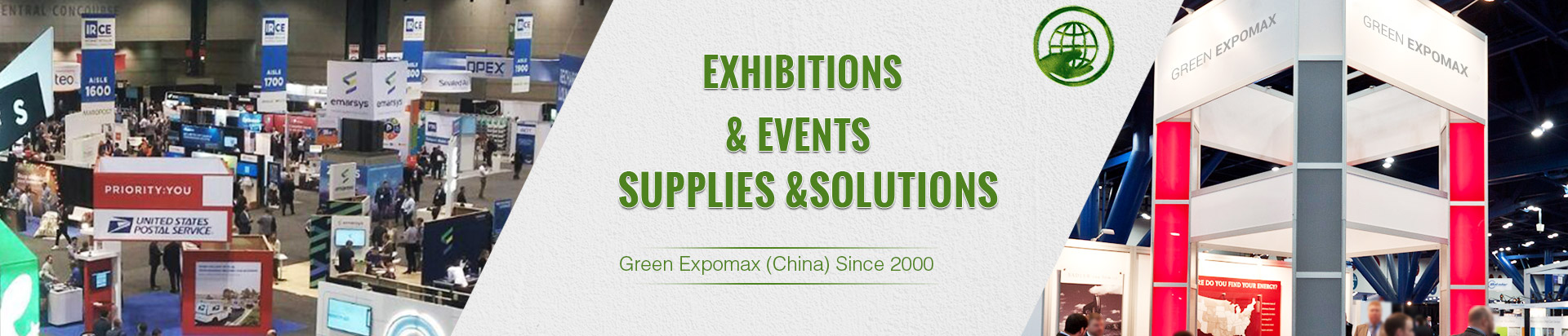
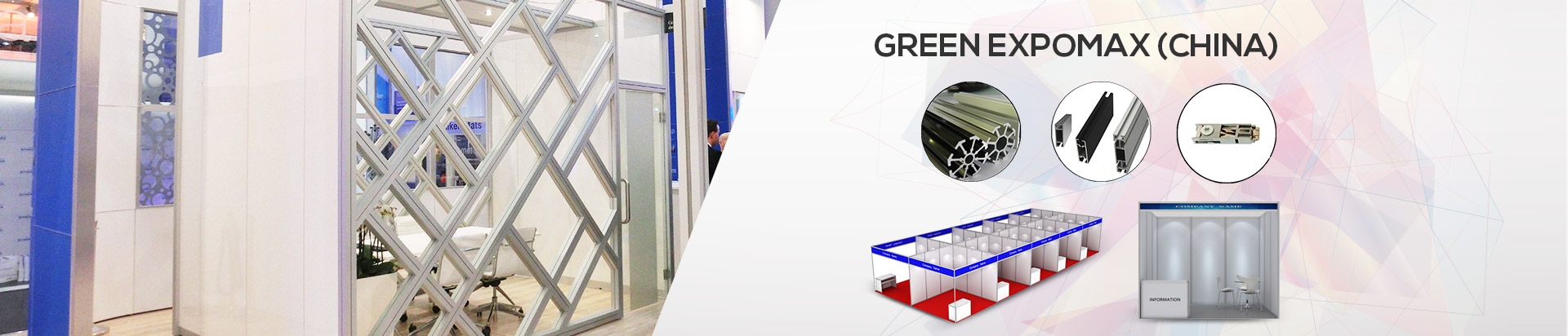
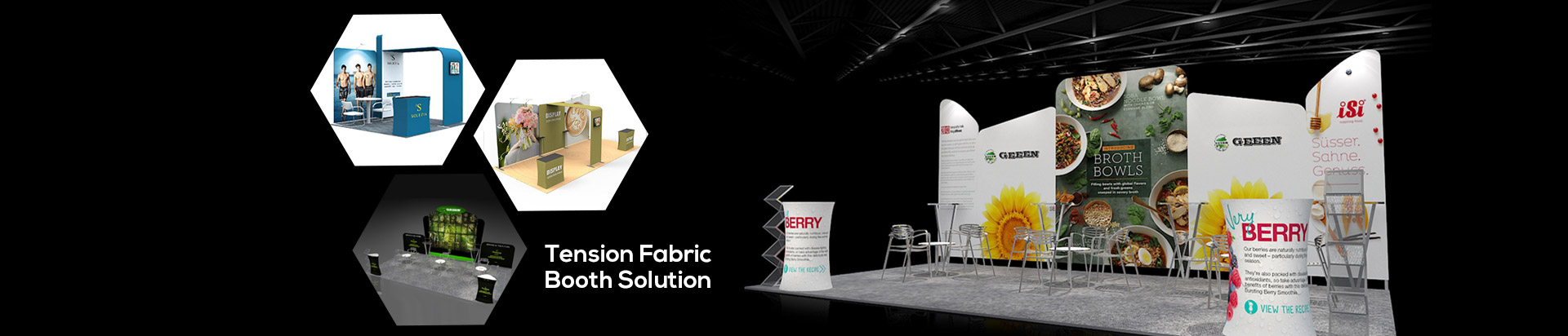
Green Expomax presents itself as a China-based manufacturer of aluminum exhibition and event products, with a factory area of approximately 3,000 square meters and export experience covering more than 40 countries. Its product range includes modular exhibition systems, tension fabric displays, SEG systems, booth cases, exhibition walls, floors, furniture, and showcase systems. I would still request project-specific drawings, electrical specifications, certifications, samples, and warranty terms before approving a purchase.
An SEG light box works by placing LEDs inside or behind an aluminum frame and covering the illuminated area with a printed fabric graphic. The silicone edge is inserted into the frame channel, normally beginning at the corners and continuing along each side. As the edge is fitted, the fabric becomes tensioned and the printed image stays flat across the display surface.
The LED layout affects the appearance of the graphic. Edge-lit systems place LEDs around the perimeter and use a light guide or diffuser, while backlit systems position LED modules or strips behind the graphic. Edge-lit construction can reduce depth, but it requires careful optical design; backlit construction often allows more uniform illumination across larger panels when LED spacing and diffusion are correctly engineered.
For procurement, I recommend setting acceptance criteria rather than relying on phrases such as “bright” or “evenly lit.” A practical specification can require luminance of approximately 800–1,200 cd/m² for indoor exhibition and retail use, color temperature within a stated range such as 6,000–7,000K, and measured brightness variation of no more than ±15% across the graphic face. These figures are purchasing benchmarks, not universal regulations, so the supplier should confirm the measurement method and provide a lit sample or test report.
I evaluate an SEG light box across six areas: structural design, illumination, fabric quality, assembly, application fit, and total cost. The correct choice depends on whether the system will be installed for two days at a trade show, used every week in a retail window, or mounted permanently on a wall. A display that works well in one environment may be inefficient or unsuitable in another.
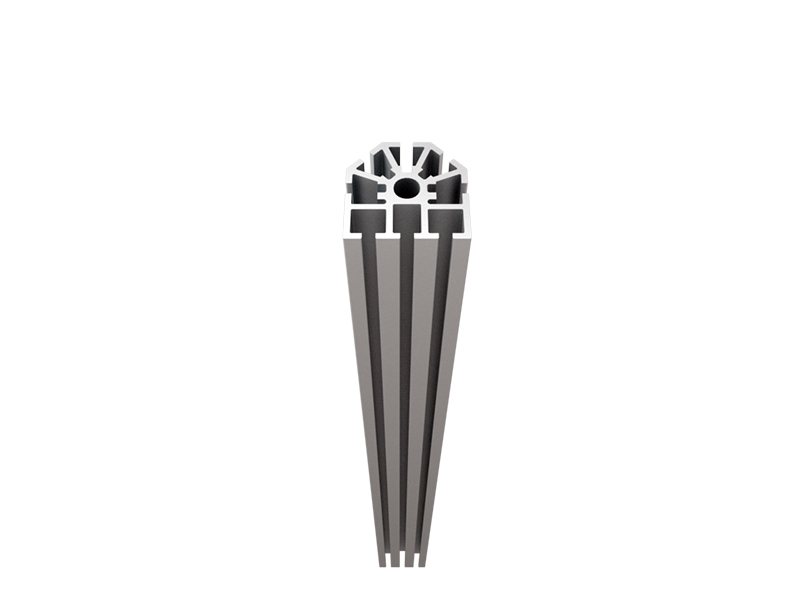
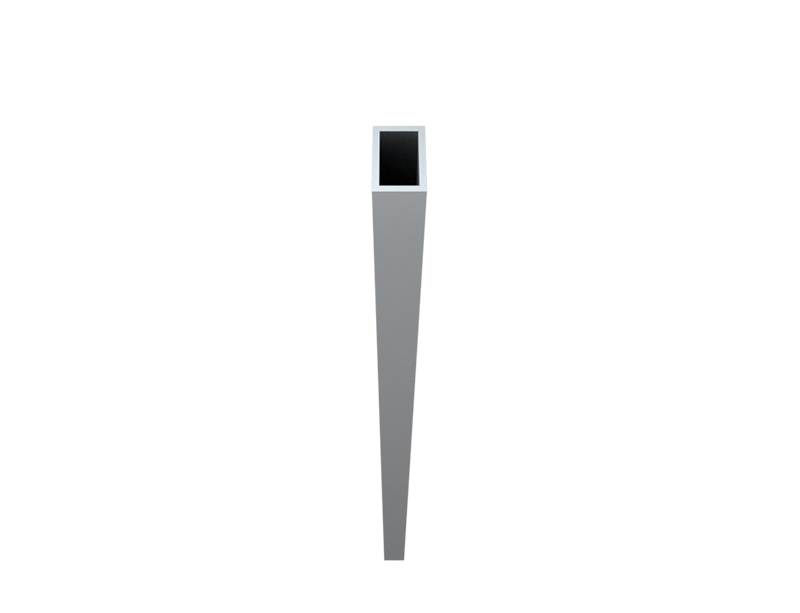
Frame depth affects rigidity, internal light distribution, and shipping volume. Common indoor frames may range from approximately 80 mm to 150 mm deep, while larger backlit systems can require greater depth for LED spacing and diffusion. Ask for the aluminum alloy, extrusion wall thickness, corner connection method, maximum unsupported span, and recommended anchoring method.
A 100 mm frame may be suitable for many indoor double-sided applications, but the supplier should confirm whether the depth provides enough room for the chosen LED layout and diffuser. For large wall-mounted panels, I also check whether the frame needs intermediate supports to prevent deflection during installation and transport.
The key lighting questions are not limited to maximum brightness. I check LED spacing, LED viewing angle, diffuser material, color temperature, dimming capability, and the distance between the LEDs and fabric. A display can measure brightly at one point while still showing visible bright bands or dark corners.
Ask the supplier to provide a front-facing illumination test at the center, corners, and midpoints of the graphic. A practical internal target is a maximum-to-minimum brightness ratio of 1.15:1 or lower for demanding retail branding, although the acceptable value depends on viewing distance and graphic content. Dark gradients, large white areas, and skin tones are particularly useful for exposing uneven lighting.
The silicone edge must be sewn consistently around the graphic perimeter. If the strip is too thick, too thin, or unevenly attached, it may not fit the channel correctly. Request the fabric composition, print method, fire-retardant documentation where required, color profile, finishing tolerance, washability, and recommended storage method.
For a silicone edge graphic display, artwork dimensions must account for the visible area and the insertion edge. I ask for a production template showing the finished image area, bleed, safe zone, seam location, and silicone-edge allowance. Incorrect dimensions are one of the easiest ways to create installation problems, even when the frame itself is correctly manufactured.
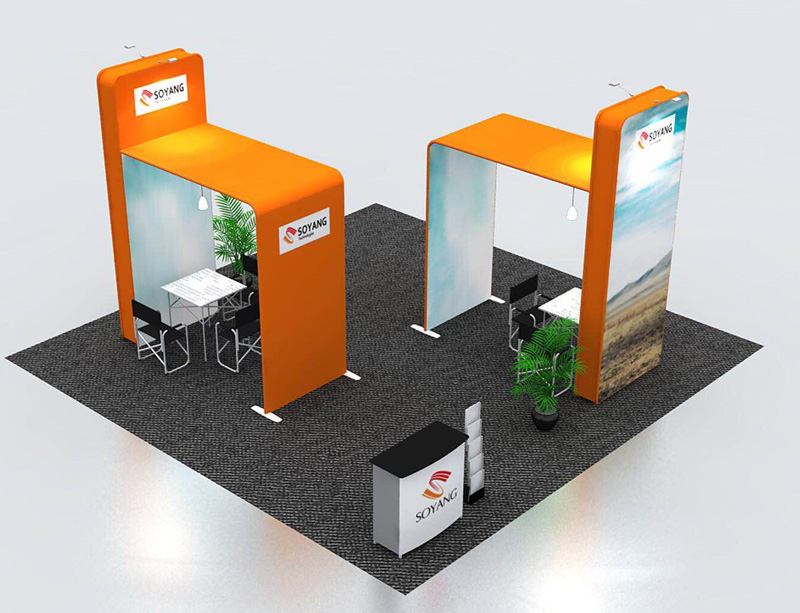
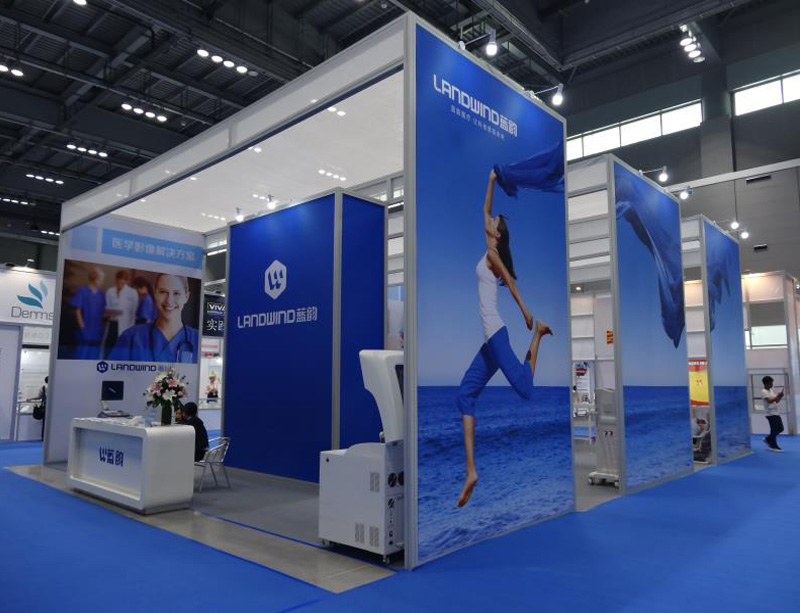
For a trade show light box, packed size and assembly time are more important than appearance alone. Compare the frame’s longest packed component, total packed weight, number of connectors, tool requirements, and case type. A 10-by-10-foot booth may require several frame sections, while a portable wall for a small business exhibition may be more practical as one compact single-sided unit.
Tool-free assembly is useful when the display must be installed by a small team, but connectors should still be tested for fit and repeat use. I recommend assembling a complete unit before shipment, photographing the connection sequence, labeling every frame section, and recording the setup time. A two-person installation completed in 30–60 minutes is a reasonable planning target for a compact indoor system, but larger structures require venue-specific labor planning.
SEG systems are available in multiple formats, and the correct configuration depends on viewing direction, footprint, storage, and future reuse. I use the following structure when comparing options:
| Display type | Suitable applications | Main specification questions |
|---|---|---|
| Single-sided wall | Retail walls, booth backwalls, media panels | Wall anchoring, rear finish, frame depth, cable routing |
| Double-sided light box | Open island exhibits, aisle-facing displays, room dividers | Internal light separation, structural stability, two graphic sets |
| Counter or compact unit | Product demonstrations, reception areas, pop-up retail | Height, worktop load, packed size, graphic replacement |
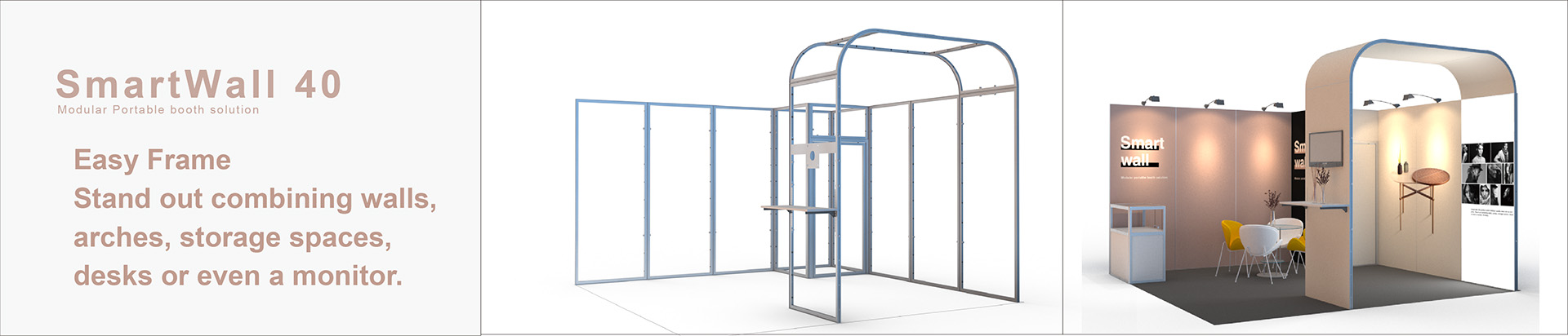
| Modular SEG system | Reconfigurable booths and multi-use programs | Connector types, module dimensions, expansion options |
| Permanent wall installation | Retail rollouts, shopping malls, branded interiors | Service access, ventilation, electrical installation, maintenance |
| Hanging or overhead unit | Large exhibition halls and high-visibility branding | Suspension points, venue approval, weight, power access |
For an open island exhibit, double-sided construction can provide two viewing faces without adding a second independent wall. For a retail window, I examine heat, glare, viewing distance, cleaning access, and whether the installation is visible from both sides. Permanent installations should include a service plan that allows technicians to replace power supplies or LED sections without removing the entire wall.
Installing an SEG graphic is straightforward when the frame and print are correctly matched. I first assemble and level the aluminum frame, connect the LED wiring, and test illumination before fitting the fabric. I then insert the silicone edge at the top corners, continue along the top rail, fit the bottom edge, and finish the vertical sides while checking that the graphic remains centered.
Wrinkles usually result from incorrect graphic dimensions, uneven insertion, contaminated channels, or uneven tension. Loose edges can indicate an undersized silicone strip or a channel that has been damaged during transport. I inspect the channel before installation, keep the graphic clean and dry, avoid forcing the silicone into a blocked section, and use the supplier’s recommended installation tool rather than pulling aggressively on the fabric.
Electrical planning also requires attention. I record the rated wattage of every LED section and power supply, calculate the total load, and confirm that the venue circuit has sufficient capacity. For example, a display using 240 watts of lighting at 120 volts draws approximately 2 amps before applying local circuit and safety requirements. I never connect several displays through unverified extension chains, and I request the supplier’s wiring diagram, fuse information, and electrical safety documentation.
An SEG light box is not automatically the best choice for every display brief. A pop-up display may be faster for short events, a banner stand may be more economical for small messages, rigid signage may be better for impact resistance, and a modular exhibit system may provide greater structural and storage flexibility.
| System | Main advantage | Main limitation | Best-fit use |
|---|---|---|---|
| SEG light box | Illuminated fabric image with replaceable graphics | Requires accurate artwork and electrical components | Premium exhibition and retail branding |
| Pop-up display | Familiar frame and quick setup | Less depth, less graphic flexibility, limited lighting options | Short-term indoor events |
| Banner stand | Low packed volume and simple deployment | Narrow visual area and limited stability | Reception points and small promotions |
| Rigid signage | Strong surface and defined edges | Heavier, less compact, harder to refresh | Permanent directional or informational signs |
| Modular exhibit system | Reconfigurable structure and accessories | More components and planning effort | Repeated exhibitions and larger booths |
The difference between a traditional light box and an SEG light box is mainly the graphic and frame interface. Traditional systems may use acrylic, PVC, tensioned film, or a front-loading panel, whereas SEG systems use a sewn silicone perimeter that fits into an aluminum channel. SEG construction generally makes graphic replacement easier, but it also makes print tolerances and silicone-edge quality more important.
The cost of an SEG light box depends on dimensions, one-sided or two-sided construction, LED architecture, frame depth, graphic count, carrying cases, shipping, and installation. Instead of comparing only the quoted hardware price, I calculate the total cost of ownership using this structure:
Total cost = frame and LED hardware + graphics + power supplies + transport cases + shipping + installation + replacement parts − resale or reuse value.
For budgeting, I request separate line items for the aluminum frame, LED modules or strips, power supplies, diffuser, fabric graphics, connectors, cases, spare parts, and freight. I also ask for the price of one replacement graphic and one replacement power supply because these figures show whether the system can be maintained economically after the first event.
A rental may be practical for a single exhibition, an unusual size, or a one-time campaign. Purchasing becomes more attractive when the same frame will be used across multiple events or stores, especially if the graphic can be refreshed without replacing the lighting system. I compare the expected number of uses, storage cost, refurbishment cost, and graphic replacement frequency before choosing between rental and purchase.
Before placing an order, I ask the supplier to confirm the following items in writing:
I also verify whether the supplier can provide installation drawings and electrical documents suitable for the exhibition venue or retail contractor. Green Expomax lists exhibition systems, SEG systems, booth cases, walls, floors, furniture, and related event products, which may be useful when a project requires more than an isolated light box. Even so, I evaluate each quotation against the same technical checklist rather than assuming that a broad product range guarantees a suitable configuration.
Maintenance begins with storage. I roll fabric graphics according to the supplier’s instructions, keep silicone edges free from dust, avoid folding printed fabric into sharp creases, and store frames in padded cases. Before each installation, I inspect connectors, LED wiring, power supplies, frame channels, and graphic seams.
If illumination becomes uneven, I first check cable connections, power-supply output, LED section failure, diffuser position, and dirt on the graphic surface. I do not mix LED sections or power supplies with different electrical ratings unless the supplier confirms compatibility. For retail programs, I maintain a replacement-parts register so each store can receive matching components and graphics without changing the appearance between locations.
This SEG Light Box Buying Guide for Exhibition and Retail Displays shows that the purchase decision involves more than choosing an illuminated fabric wall. I compare frame depth, aluminum construction, silicone-edge accuracy, brightness uniformity, LED layout, color temperature, diffusion, portability, installation time, and electrical requirements before approving a system. I also calculate total cost using hardware, graphics, cases, shipping, power supplies, replacement parts, warranty support, and future graphic refreshes.
For a 10-by-10-foot trade show booth, I prioritize packed dimensions, two-person assembly, case protection, and quick graphic replacement. For retail windows and permanent walls, I give greater weight to consistent illumination, service access, cleaning, ventilation, and repeatable specifications across locations. Green Expomax can be considered alongside other suppliers, but I would request drawings, samples, testing data, certifications, lead times, and replacement-part prices before making a final decision. The next practical step is to prepare a measured brief listing display size, viewing sides, venue voltage, graphic quantity, installation date, reuse plan, and acceptable lighting tolerances.
Previous: None
Next: Who We Are


Copyright © Green Expomax (China) Exhibition Equipments Co.,Ltd. All Rights Reserved | Sitemap |