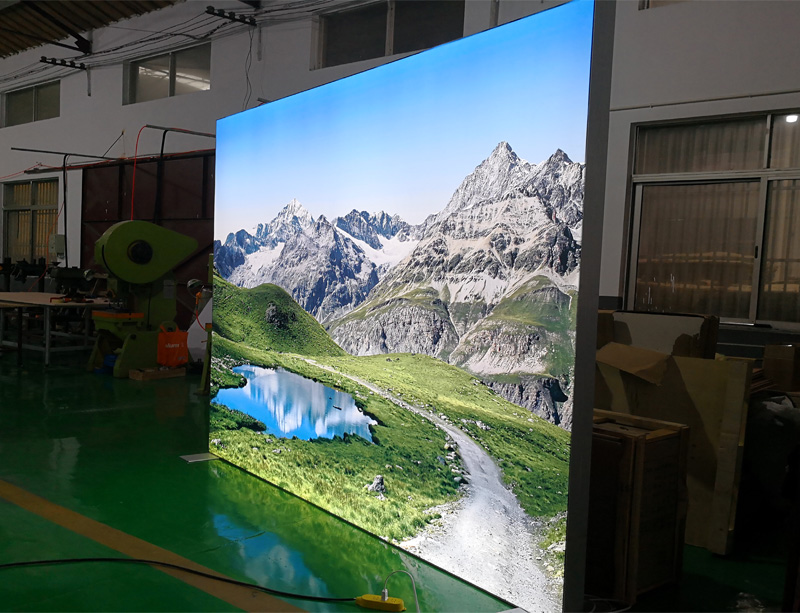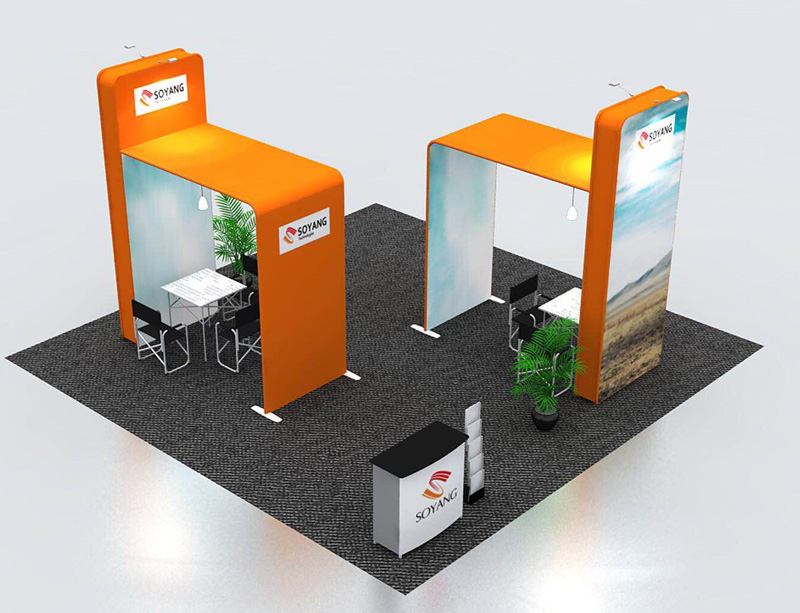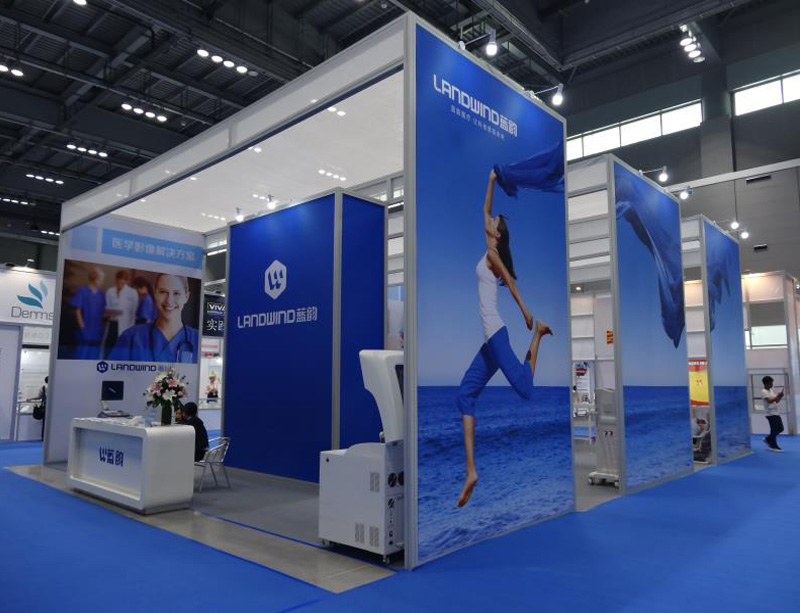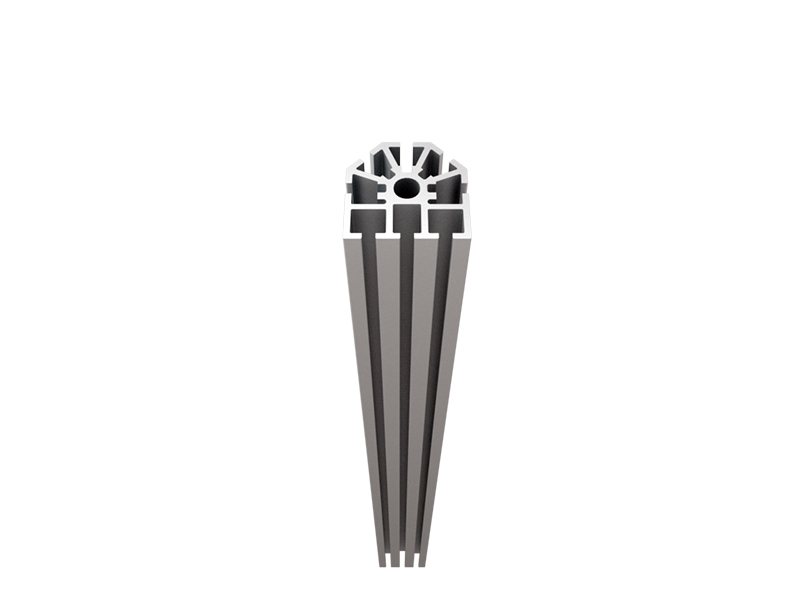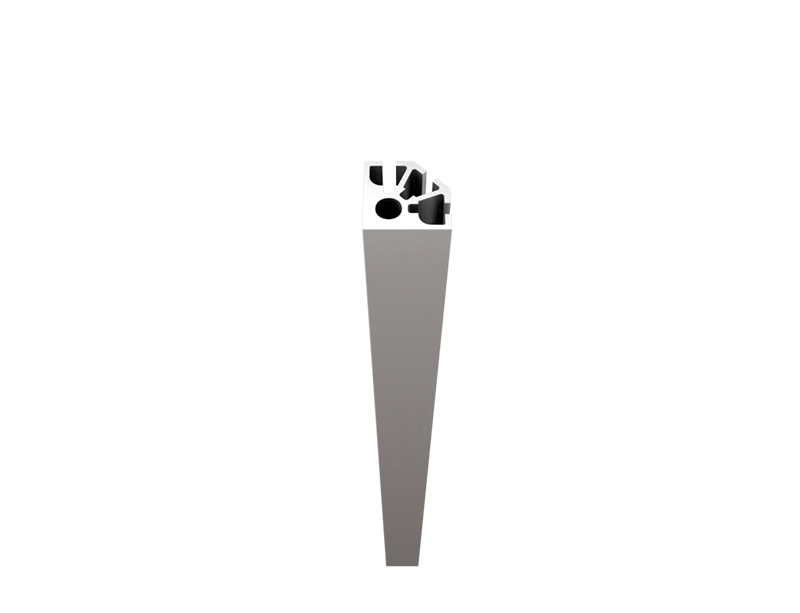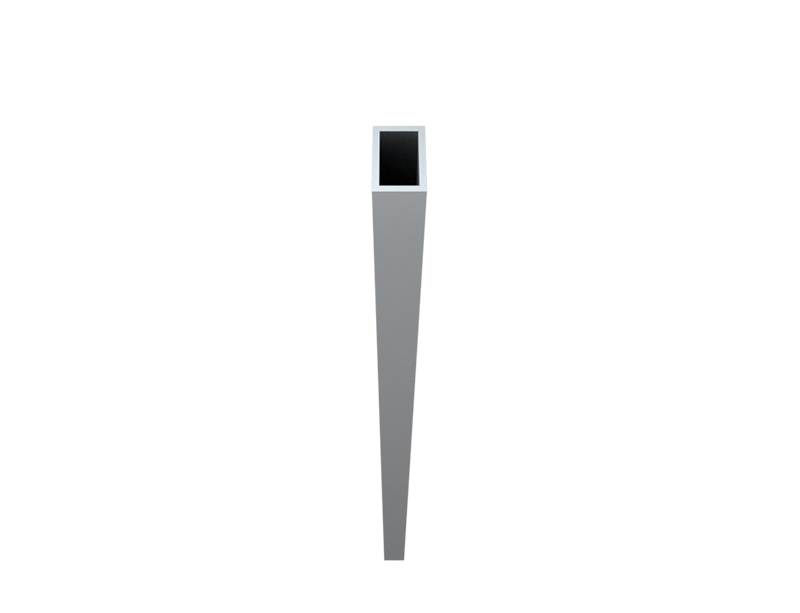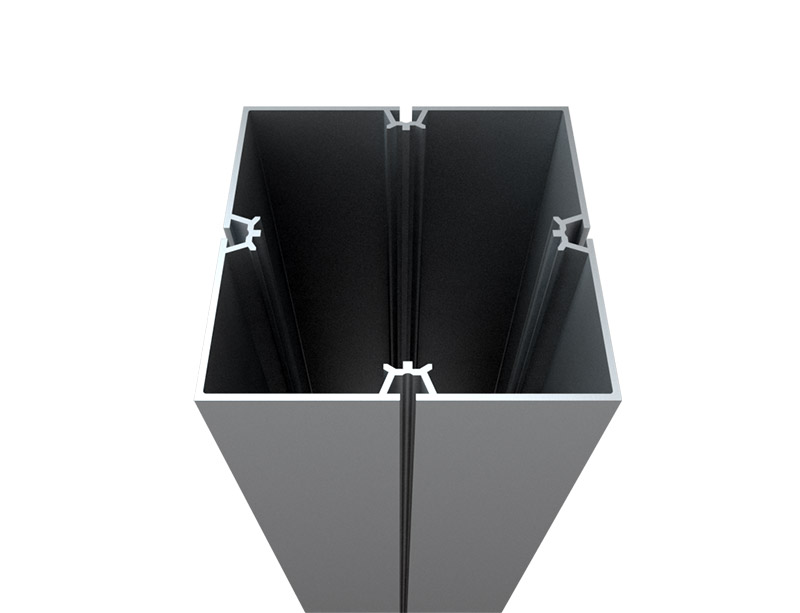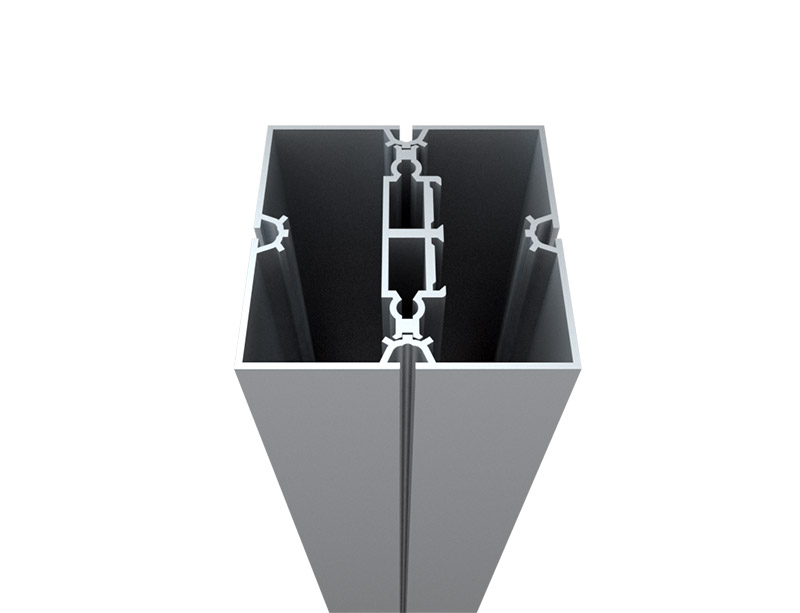


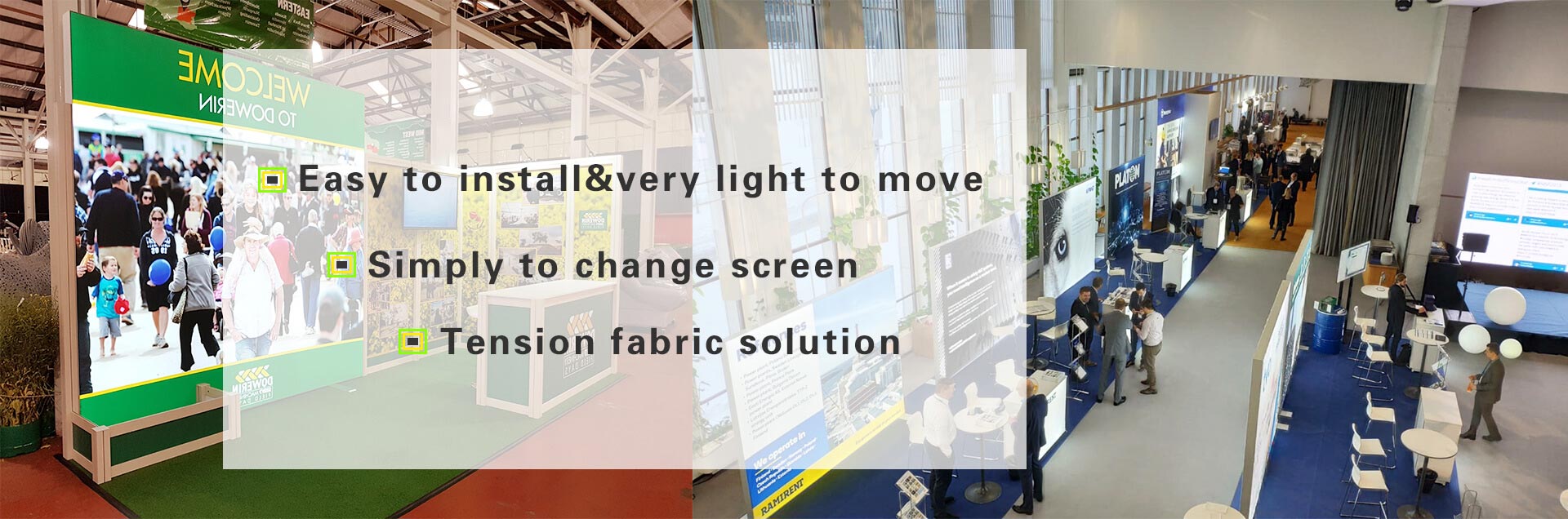
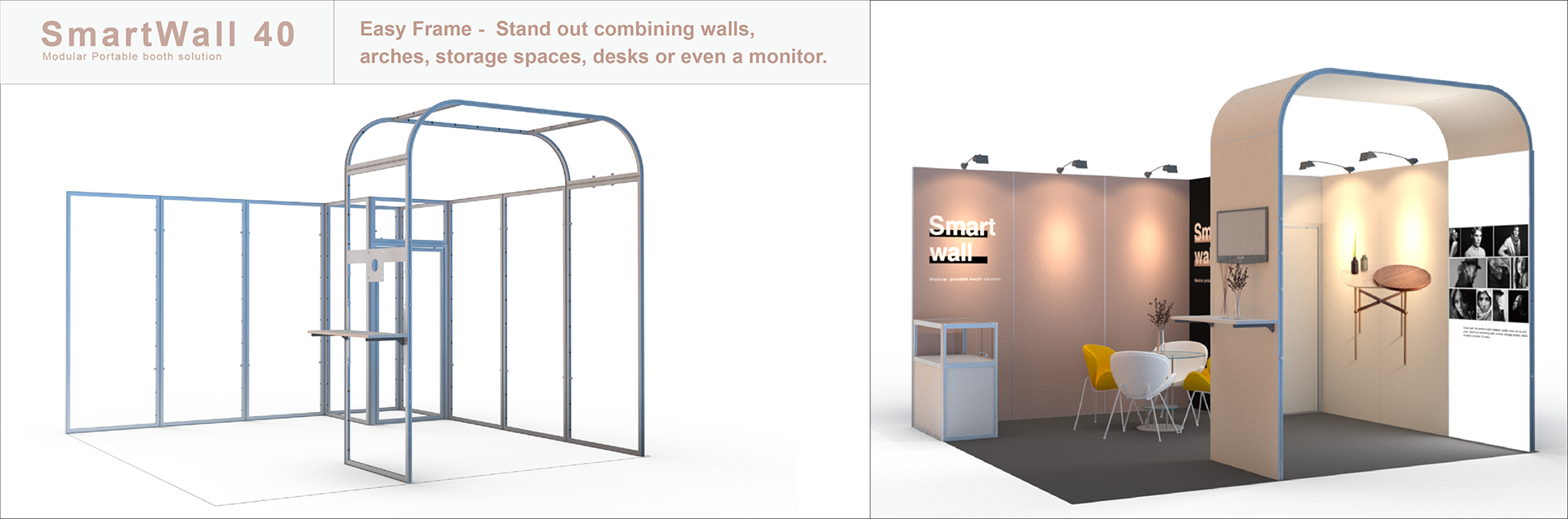
Single-sided and double-sided SEG displays serve different viewing needs. A single-sided system is often suitable when the audience mainly sees the graphic from one direction, such as a wall-mounted display or booth backdrop. A double-sided system is more appropriate when visitors approach from both sides, such as an aisle-facing exhibition display or a freestanding promotional unit. The decision should consider audience movement, available space, frame construction, graphic quantity, lighting, installation method and the total project cost. Before ordering, buyers should confirm the viewing direction, graphic dimensions, frame configuration and whether the quotation includes both graphics and lighting components.
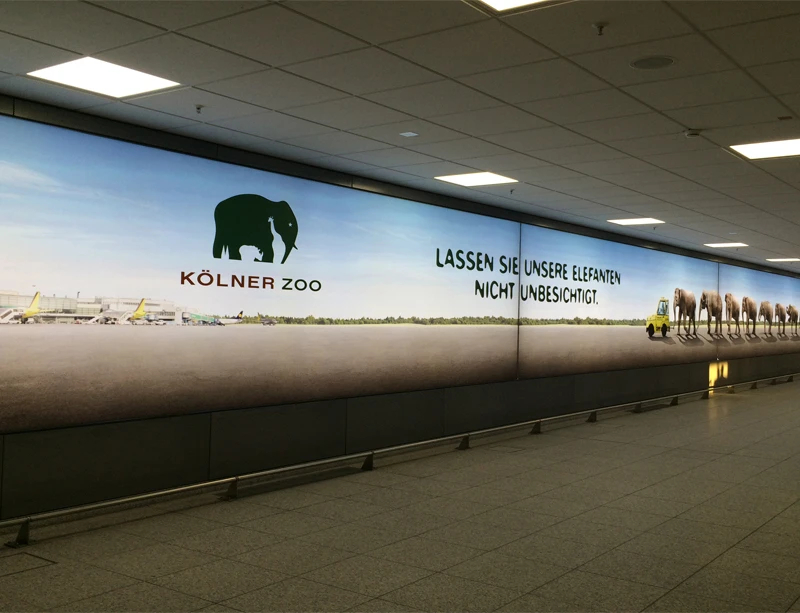
SEG stands for silicone edge graphics. The printed fabric graphic has a silicone strip sewn around its edge, which fits into a channel in an aluminum frame. The fabric is tensioned across the frame to create a smooth display surface.
The difference between single-sided and double-sided systems is primarily how the display presents graphics to the audience and how the frame is configured to support them.
A single-sided display presents the main graphic on one face. The reverse may be covered, hidden against a wall or designed for another purpose depending on the application.
A double-sided display presents graphics on both faces, allowing people approaching from different directions to see the content. The two sides may show the same design or different messages.
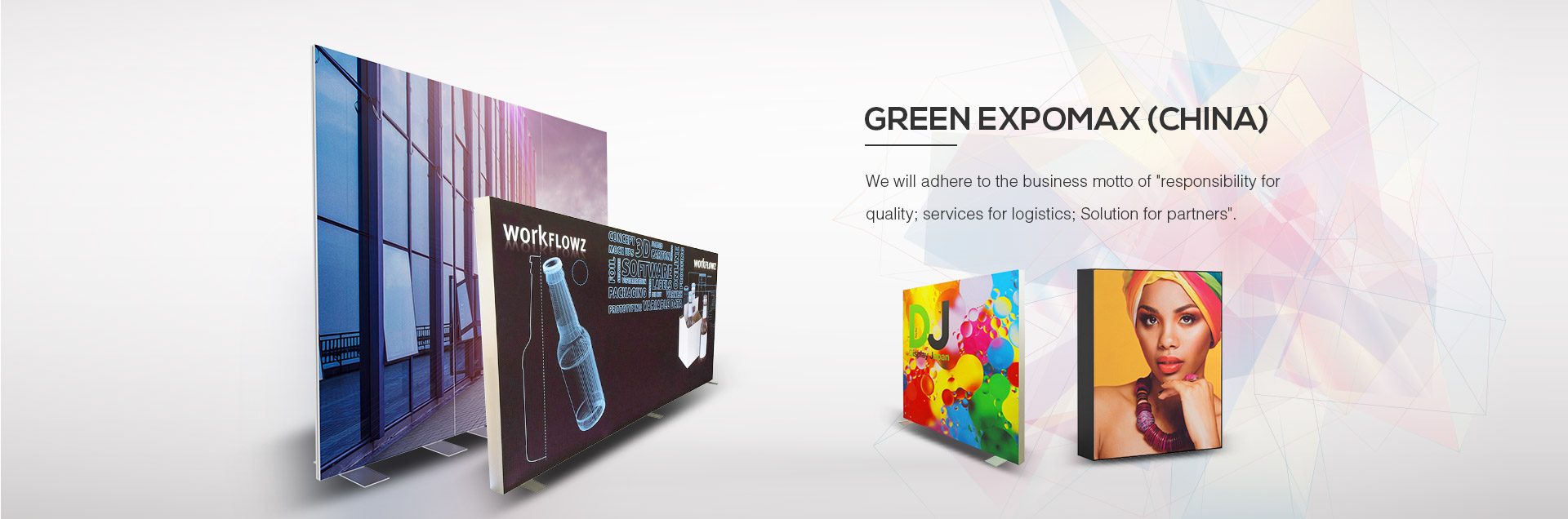
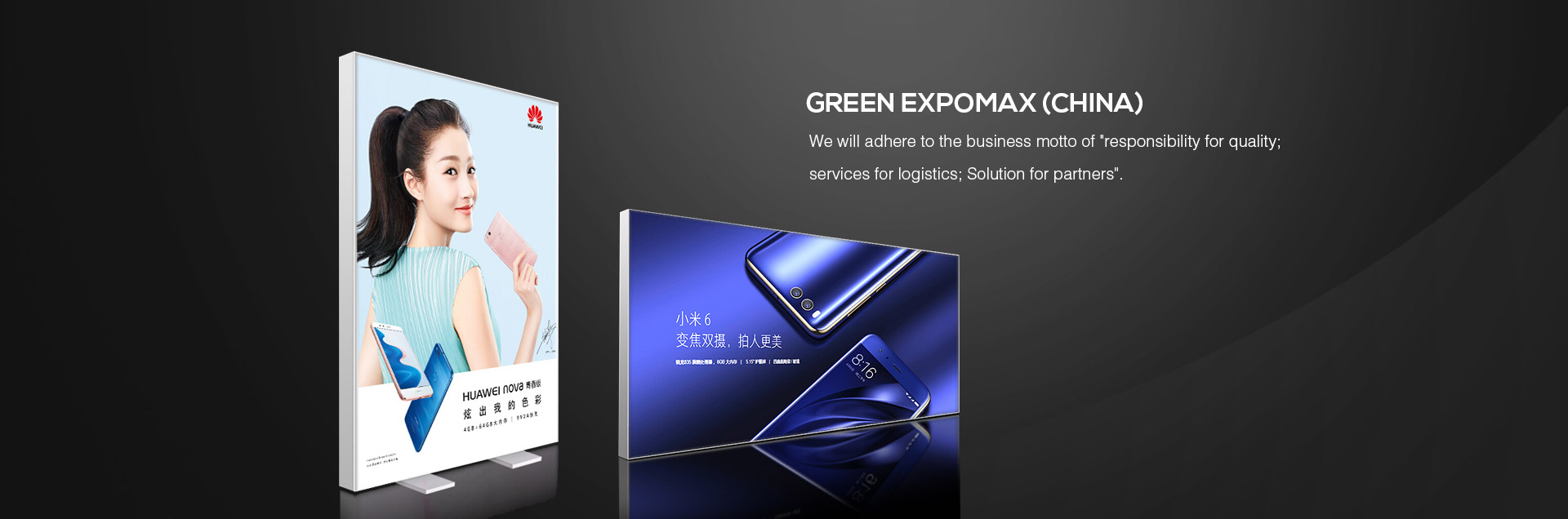
Green Expomax offers single-sided SEG frame profiles and SEG lightbox systems for exhibition and commercial display applications. Buyers should select the configuration according to how people will approach and view the display.
A single-sided system is often appropriate when the display has a clear front-facing viewing direction.
Common applications include:
Exhibition booth back walls.
Wall-mounted promotional graphics.
Retail advertising against a solid wall.
Corporate branding walls.
Product information panels.
Displays positioned along a defined viewing route.
Efficient use of display space: The system can focus the graphic toward the intended audience rather than presenting content on both sides.
Potentially simpler construction: Depending on the model, a single-sided frame may use a configuration suited to wall mounting or one-direction viewing.
Reduced graphic requirements: Only one printed face may be needed, which can reduce print and finishing costs compared with an otherwise similar double-sided display.
Flexible integration: Single-sided displays can be integrated into exhibition walls, retail fixtures or other structures where the reverse side is not visible.
These advantages depend on the specific design. A large single-sided lightbox may still require a deep frame, internal lighting and appropriate structural support.
Confirm the mounting method, visible dimensions, frame depth, graphic material and any requirements for covering the reverse side. If the display will be placed in an open area, consider what visitors will see from behind it.
A single-sided display is not automatically the least expensive option in every project. Installation requirements, frame construction and the need for a finished reverse side can affect the final cost.
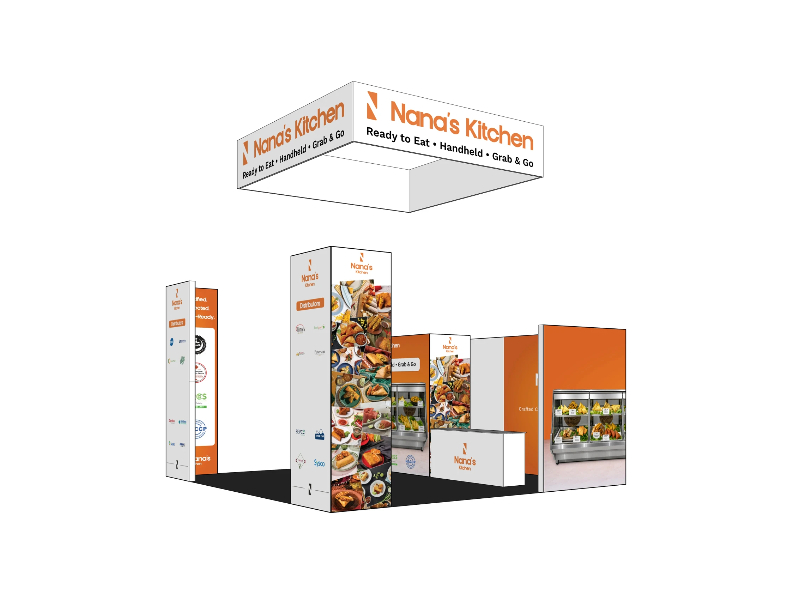
A double-sided system is useful when people can view the display from two directions.
Examples include:
Freestanding exhibition displays near aisle intersections.
Promotional units in open retail areas.
Suspended displays viewed from different approaches.
Event displays placed between activity zones.
Information displays in open circulation spaces.
Exhibition structures that need to communicate with visitors on both sides.
Two viewing faces: The display can communicate with visitors approaching from different directions.
Better use of open space: A freestanding unit can serve as a visual element for more than one audience approach.
Flexible content: Each side can show the same message or support different content for different viewing directions.
Consistent visual presentation: A purpose-built double-sided system can provide a coordinated appearance across both faces.
However, double-sided displays require careful planning. The frame may need to accommodate two graphics, and an illuminated version may require a lighting arrangement designed for both sides.
Confirm whether the two graphics are identical or different, how they are installed, and whether each side requires separate printing and finishing.
Also check whether the display is freestanding, suspended or mounted to another structure. The installation method affects the frame, support requirements and access needed for replacing graphics.
| Factor | Single-sided SEG display | Double-sided SEG display |
|---|---|---|
| Main viewing direction | One primary direction | Two directions |
| Typical installation | Wall-mounted, booth wall or one-sided fixture | Freestanding, suspended or open-area installation |
| Graphic quantity | Usually one main visible graphic | Usually two visible graphics |
| Content strategy | One primary message | Same or different messages on each side |
| Frame configuration | Designed for one visible face | Designed to support two visible faces |
| Lighting | May be unlit or backlit | May require lighting appropriate to both faces |
| Space planning | Often suited to boundaries and walls | Useful where people approach from both sides |
| Cost considerations | Depends on frame, print and installation | May involve additional graphics and a different frame or lighting arrangement |
| Key selection issue | Visibility and mounting | Visibility from both sides and system configuration |
The table is a general guide. Actual differences depend on the selected profile, display size, lighting configuration and scope of supply.
The best configuration begins with understanding where the audience will stand and move.
If a display is installed directly against a wall, a single-sided system may be sufficient because the reverse side is not visible to visitors.
In this situation, the key questions are the visible dimensions, wall mounting method, required projection from the wall and whether illumination is needed.
A display positioned near an aisle should be evaluated according to the direction of visitor traffic. If people approach from both sides, a double-sided graphic may provide more useful viewing opportunities.
If traffic flows mainly in one direction, a single-sided display may be sufficient, provided its orientation is planned correctly.
Freestanding displays often sit within the visitor circulation area rather than against a boundary. Double-sided graphics can be useful where both faces remain visible.
However, buyers should also consider the display's footprint, stability, nearby equipment and the distance from which visitors will view the graphics.
Suspended displays can be seen from multiple directions, depending on their shape, height and location. The number of visible faces and the orientation of the graphics should be decided before the frame is specified.
For any suspended installation, confirm the venue's hanging-point rules, approved support arrangements and installation requirements. Do not assume a standard display frame can be suspended without checking its suitability for that purpose.
Frame depth is an important selection factor because it affects the overall dimensions and the space available for internal components.
For an unlit display, the frame needs to support the graphic and provide the required mechanical arrangement. For a backlit display, the frame may also need to accommodate LED components, wiring and other parts of the lighting system.
A double-sided illuminated system can require a different internal arrangement from a single-sided lightbox. The correct configuration depends on the product design and the desired lighting performance.
When requesting a quotation, confirm:
Overall frame width and height.
Frame depth.
Single-sided or double-sided configuration.
Mounting method.
Lighting requirements.
Graphic type and finishing.
Access requirements for installation and maintenance.
Green Expomax lists multiple SEG extrusion and lightbox configurations. Buyers should compare the specifications of the actual models rather than assuming that profiles with similar names have identical construction or performance.
Not necessarily. The decision depends on the display's purpose and how the audience uses the space.
The display communicates one consistent brand message.
Visitors approach from opposite directions.
The same campaign needs to be visible on both faces.
A consistent appearance is more important than directional messaging.
The two sides face different audience groups.
Each direction requires a different message.
One side provides a general brand message and the other presents product details.
The display serves two adjacent activity areas.
When the graphics differ, identify each face clearly in the artwork files and production documentation. Confirm the orientation of text and logos to prevent a graphic from being installed on the wrong side.
If the design includes directional information, check the visitor approach and sightline before finalizing the artwork.
Backlit SEG displays use internal lighting to illuminate the fabric graphic. They can be configured for one or more visible faces depending on the product design.
For a single-sided lightbox, the lighting arrangement should provide suitable illumination across the front graphic. A double-sided illuminated display requires a configuration designed to illuminate the intended faces.
The relevant questions include:
Which sides should be illuminated?
What graphic fabric is required?
What lighting configuration is included?
How is power supplied and routed?
Can the lighting components be accessed for maintenance?
How will brightness and color appearance be evaluated?
Does the frame depth suit the selected lighting arrangement?
Do not assume that every double-sided frame can be converted into a double-sided lightbox simply by adding a second graphic. Confirm that the specific system supports the intended lighting configuration.
For projects where color consistency is important, evaluate the printed graphics under the intended illumination rather than relying exclusively on an unlit sample.
Comparing frame prices alone may produce a misleading result. A complete display project can include the frame, printed graphics, lighting components, power supply, accessories, packing and installation-related items.
A fair comparison should use the same scope of supply for each quotation.
| Cost component | Questions to ask |
|---|---|
| Aluminum frame | Is the quoted price for a complete frame or only extrusion profiles? |
| Fabric graphics | Are one or two printed faces included? |
| Finishing | Are silicone edge sewing and other finishing operations included? |
| Lighting | Are LEDs, power supplies, wiring and other components included? |
| Accessories | Are connectors, feet, brackets and installation parts included? |
| Packaging | Is the display packed for the intended shipping method? |
| Replacement graphics | Can graphics be reordered without replacing the frame? |
| Customization | Are special dimensions or configurations priced separately? |
| Delivery | What are the shipping method, destination terms and expected lead time? |
The best choice depends on the project rather than a universal rule that single-sided displays cost less or double-sided displays provide better value. Additional visible content may justify the cost when both directions matter.
A clear request for quotation should include:
Required display width, height and depth.
Single-sided or double-sided configuration.
Wall-mounted, freestanding or suspended installation.
Backlit or non-backlit requirement.
Graphic content and whether both faces are identical.
Expected viewing directions and audience traffic.
Frame finish and color requirements.
Required accessories and mounting hardware.
Quantity and delivery schedule.
Packaging and shipping destination.
Any venue-specific installation restrictions.
If the final design is not complete, provide a preliminary drawing or layout and identify which parameters remain open. This allows the supplier to clarify the appropriate frame configuration before production begins.
Selecting double-sided equipment without checking traffic. Two visible faces are useful only when both sides serve a purpose.
Choosing single-sided equipment for an open area without reviewing the reverse. Visitors may see the back of the display, which could affect the overall presentation.
Assuming both sides have the same lighting arrangement. Confirm how the specific system illuminates each visible face.
Ignoring frame depth. The selected profile must suit the graphic and any internal components.
Sending artwork without identifying the side. Clearly label the front and reverse files, especially when the designs differ.
Comparing incomplete quotations. Check whether frame, graphics, lighting, accessories and shipping are included.
Forgetting venue restrictions. Wall mounting and overhead suspension may be subject to venue-specific requirements.
No. It is useful when visitors can view the display from two directions. A single-sided system may be more appropriate for a booth wall or a display mounted against a solid surface.
Yes, if the system supports separate graphics on each face. Confirm the dimensions, orientation and finishing requirements for both graphics before production.
Not necessarily. The total cost depends on the frame, mounting method, dimensions, lighting, accessories and graphic requirements. Compare quotations with the same scope of supply.
Some systems support illuminated graphics on both sides, but the lighting configuration must be designed for the specific frame. Confirm the included components and intended lighting performance.
SEG systems are designed to allow fabric graphics to be removed and replaced, provided the replacement graphic matches the frame's dimensions and silicone edge requirements.
The right SEG display configuration depends on where the unit will be installed, how visitors approach it and whether one or two viewing faces are needed. Evaluating frame depth, graphic quantity, lighting and installation requirements together helps avoid paying for an unsuitable configuration.
Green Expomax supplies SEG aluminum frames, fabric display systems and lightbox solutions for exhibitions and commercial environments. Send your display dimensions, installation method, graphic requirements and target quantity to discuss a suitable system.
Contact Green Expomax
Email: sales@green-expomax.com
Website: https://www.green-expomax.com/
Previous: None
Next: Who We Are


Copyright © Green Expomax (China) Exhibition Equipments Co.,Ltd. All Rights Reserved | Sitemap |