

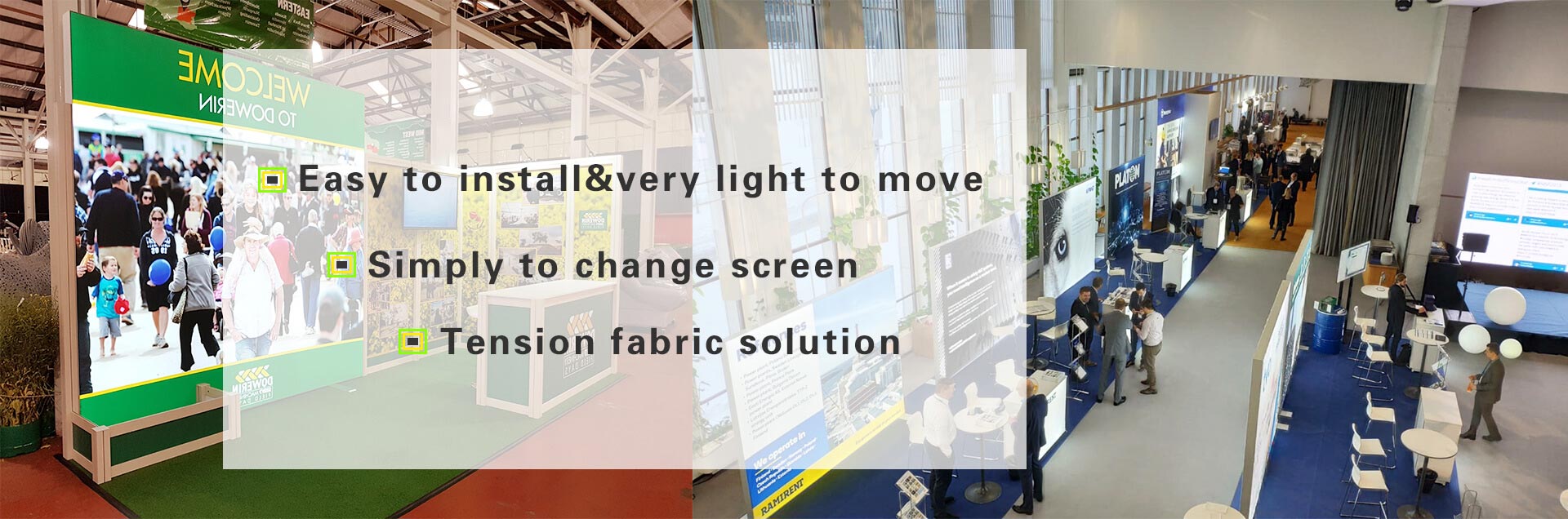
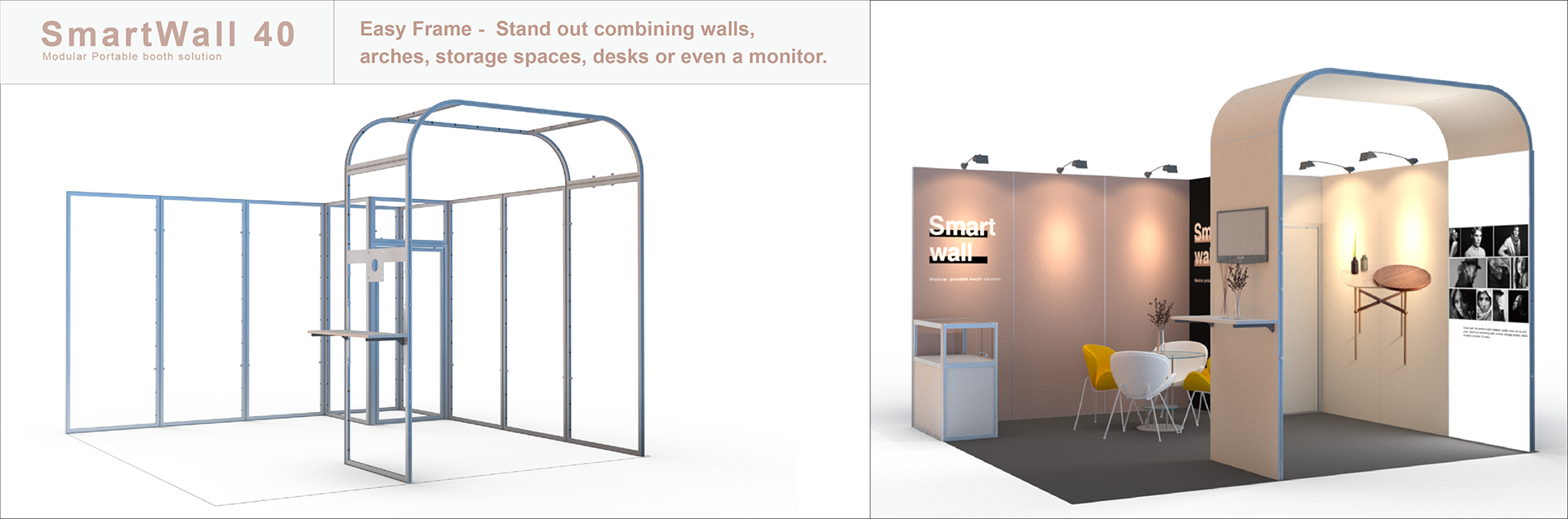
When I compare the difference between SEG lightbox and traditional lightbox systems, I focus on five practical factors: graphic construction, installation, visual appearance, transport, and total ownership cost. An SEG lightbox uses a fabric graphic with a sewn silicone edge that fits into a recessed channel in an aluminum frame. A traditional lightbox generally uses a rigid acrylic, polycarbonate, vinyl, or translucent-film panel secured with clips, screws, snap frames, or magnetic fittings.
Both systems use internal illumination, but they serve different operating needs. SEG displays are usually selected for a frameless appearance, frequent graphic changes, and portable exhibition use. Traditional lightbox displays remain useful for retail signs, permanent locations, impact-prone areas, and projects where rigid panels or simple replacement procedures are preferred.
The main difference is how the graphic is held and replaced. An SEG lightbox uses silicone edge graphics for trade shows and other displays, while a traditional lightbox uses a rigid panel, translucent film, vinyl, acrylic, polycarbonate, or a snap-frame graphic system. The SEG method hides the frame edge and creates a continuous fabric face, whereas traditional systems normally show a perimeter frame, retaining clips, or panel joints.
The following table summarizes the most important differences I consider during product selection:
| Comparison factor | SEG lightbox | Traditional lightbox |
|---|---|---|
| Graphic material | Tensioned backlit fabric with sewn silicone edge | Acrylic, polycarbonate, vinyl, translucent film, or rigid printed panel |
| Graphic replacement | Usually tool-free; pull the silicone edge from the channel and insert the replacement | May require clips, screws, magnets, a snap frame, or panel removal |
| Frame appearance | Narrow or visually hidden frame edge | Visible perimeter, snap profile, panel joint, or retaining hardware |
| Lighting | Usually LED modules or LED strips behind fabric | LED, fluorescent tubes, or LED panels behind rigid or translucent graphics |
| Portability | Packs into fabric bags, cases, or modular transport containers | Rigid panels require protective packaging and more careful handling |
| Storage | Fabric graphics roll or fold according to material instructions | Acrylic, polycarbonate, and rigid panels need flat storage |
| Best use | Trade shows, exhibitions, branded backlit walls, corporate events | Retail signage, permanent displays, impact-prone locations, simple sign changes |
| Cost pattern | Higher initial frame and graphic cost, potentially lower repeated-change cost | Lower entry price in some formats, but replacement and transport costs vary |
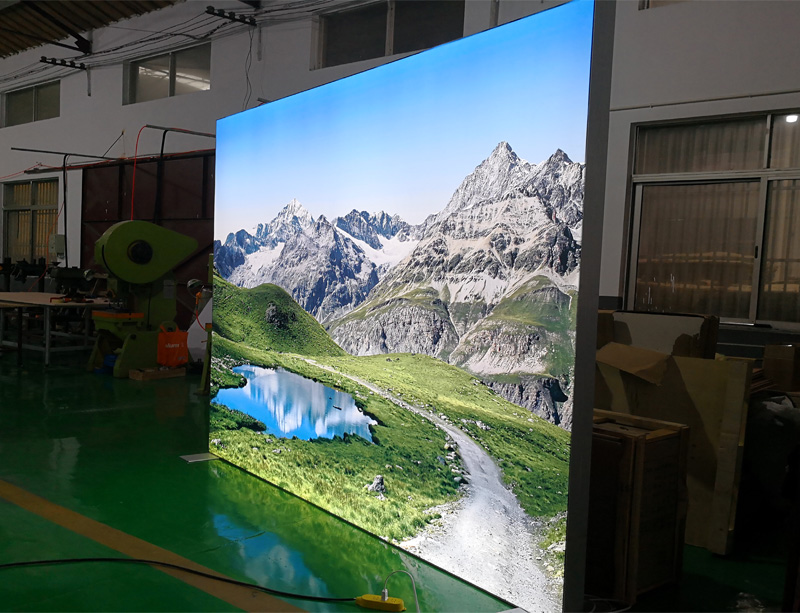
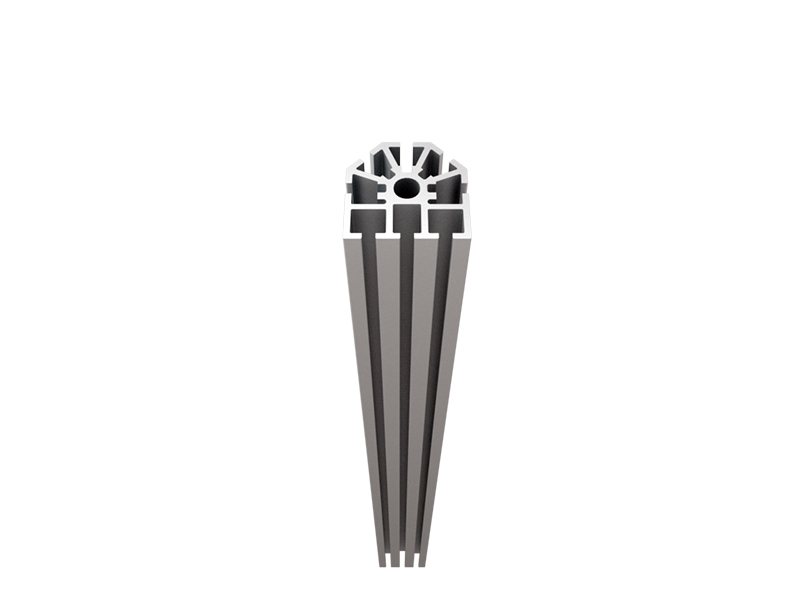
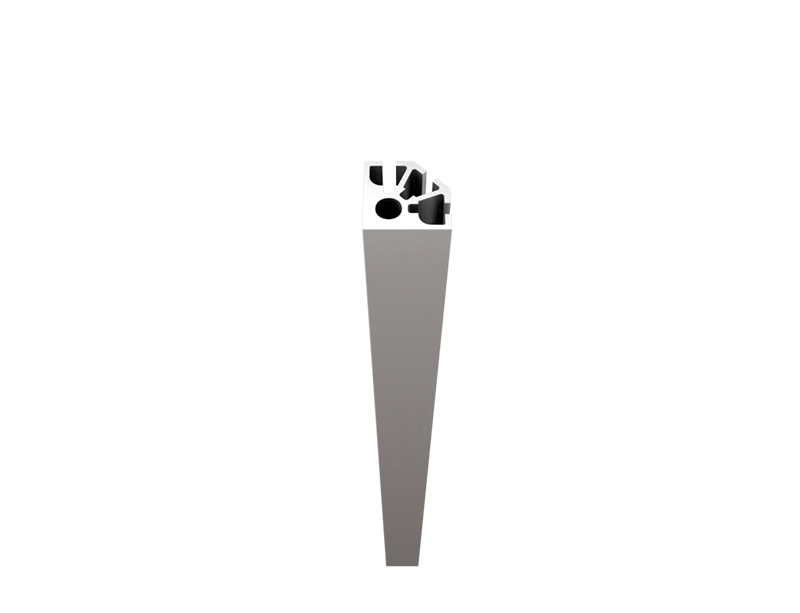
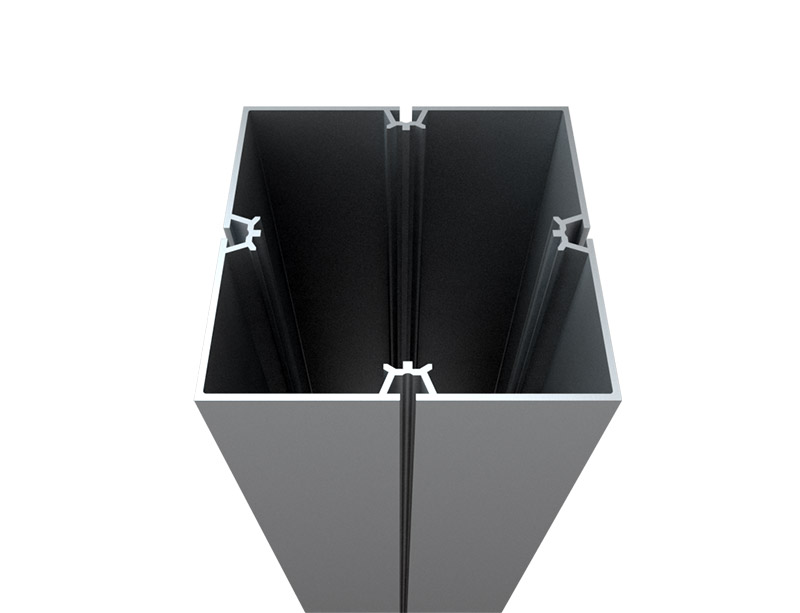
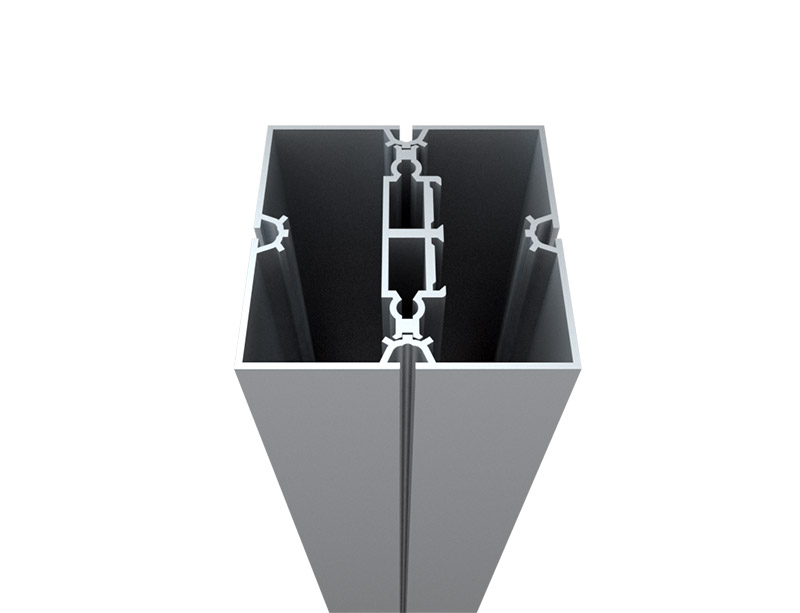
An SEG fabric lightbox combines an aluminum frame, internal LED lighting, a printed backlit fabric graphic, and a silicone strip sewn around the graphic perimeter. I install the silicone edge into a channel in the frame, usually beginning at the corners and then pressing the remaining edges into place. The fabric becomes tensioned across the frame, which removes most visible wrinkles when the dimensions and sewing are accurate.
The LEDs illuminate the fabric from behind rather than shining through a rigid acrylic sheet. This arrangement can produce a frameless visual field because the graphic extends close to the frame perimeter. The final appearance depends on LED spacing, diffusion, frame depth, fabric opacity, print density, and the distance between the light source and the graphic surface.
For a typical portable display, I would specify the exact finished graphic size, the channel depth, the frame profile, the LED power supply, and the intended viewing distance before ordering. A graphic that is even slightly oversized may buckle, while an undersized graphic may leave gaps or fail to maintain adequate tension.
!
A traditional lightbox display generally places a translucent or backlit graphic in front of a light source. Older systems often used fluorescent tubes, while modern systems increasingly use LED strips, LED modules, or edge-lit panels. The graphic may be printed on translucent vinyl, film, acrylic, polycarbonate, or another rigid sheet selected for the installation environment.
Rigid-panel systems can use screws, standoffs, magnetic retainers, clips, or a hinged face. Snap-frame systems normally hold the graphic with hinged aluminum profiles, allowing the operator to open the frame and exchange the print. These systems may be easier for a maintenance team already familiar with conventional signage hardware, but they usually expose more frame structure than an SEG display.
I separate modern LED traditional lightboxes from older fluorescent systems because their operating behavior is different. LED systems generally offer lower heat output, longer service intervals, and more flexible frame designs, while fluorescent systems may require tube replacement, ballast maintenance, and deeper housings.
SEG fabric graphics can create a smooth, continuous surface with limited visible hardware. The fabric also reduces reflections compared with glossy acrylic, which can help in exhibition halls where overhead lighting creates glare. However, fabric does not automatically produce better color or brightness; the result depends on print profile, fabric construction, LED diffusion, and viewing distance.
Acrylic and polycarbonate panels can deliver strong color density and a crisp surface, but their gloss level may create reflections under spotlights or store lighting. Acrylic can also crack under impact, while polycarbonate generally offers greater impact resistance but may cost more. Translucent film can be economical for large signs, although installation quality affects wrinkles, bubbles, and edge alignment.
Lighting uniformity is another important difference. An SEG frame with correctly spaced LEDs and a suitable diffuser can reduce bright spots and dark areas, but shallow frames may show LED patterns through the fabric. Traditional LED lightboxes can also show hotspots if the panel, film, or LED spacing is poorly matched. I therefore evaluate the illuminated sample rather than judging the system only by its frame design.
SEG graphics are often easier to change when the replacement has been sewn to the correct dimensions. I can remove the old graphic by pulling the silicone edge from the channel, then install the replacement without a screwdriver or ladder in many small-format applications. Larger walls may still require two people because fabric alignment and corner tension become more difficult as the graphic area increases.
Traditional displays vary widely. A snap frame may allow a small graphic to be changed in a few minutes, while a large acrylic panel may require two installers, protective gloves, lifting space, and several fasteners. Vinyl or translucent film applied to a fixed panel can also require surface preparation and careful removal to avoid adhesive residue.
I treat the following items as maintenance points for both systems:
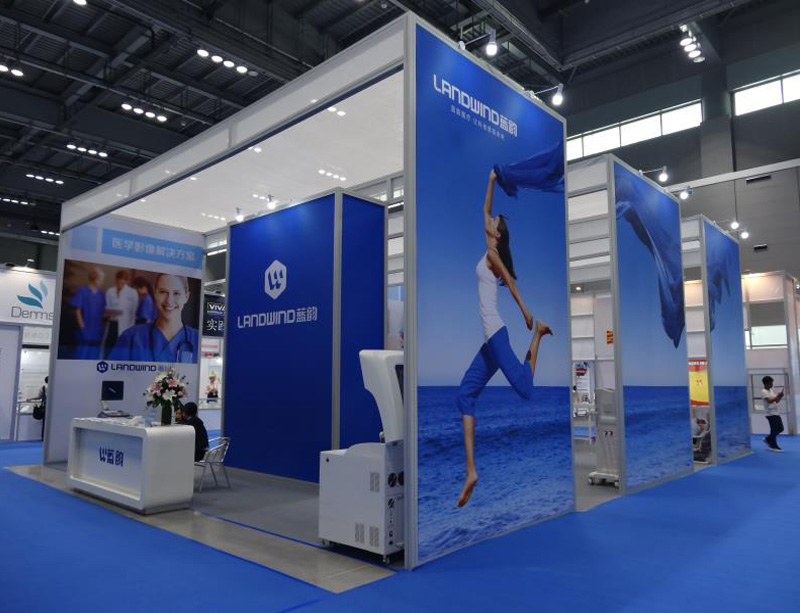
For trade shows and exhibitions, I usually compare the complete transport package rather than the display alone. An SEG frame can often be disassembled into aluminum sections and packed with fabric graphics in a wheeled case. The graphic may occupy less volume than an acrylic panel, reducing the risk of edge damage during shipping.
Traditional rigid-panel displays require more protection. Acrylic and polycarbonate sheets need corner guards, foam, cartons, or reusable crates, and large panels can increase dimensional-weight charges. A snap-frame system may remain portable, but its replacement graphics and frame sections still need protection against bending and surface scratches.
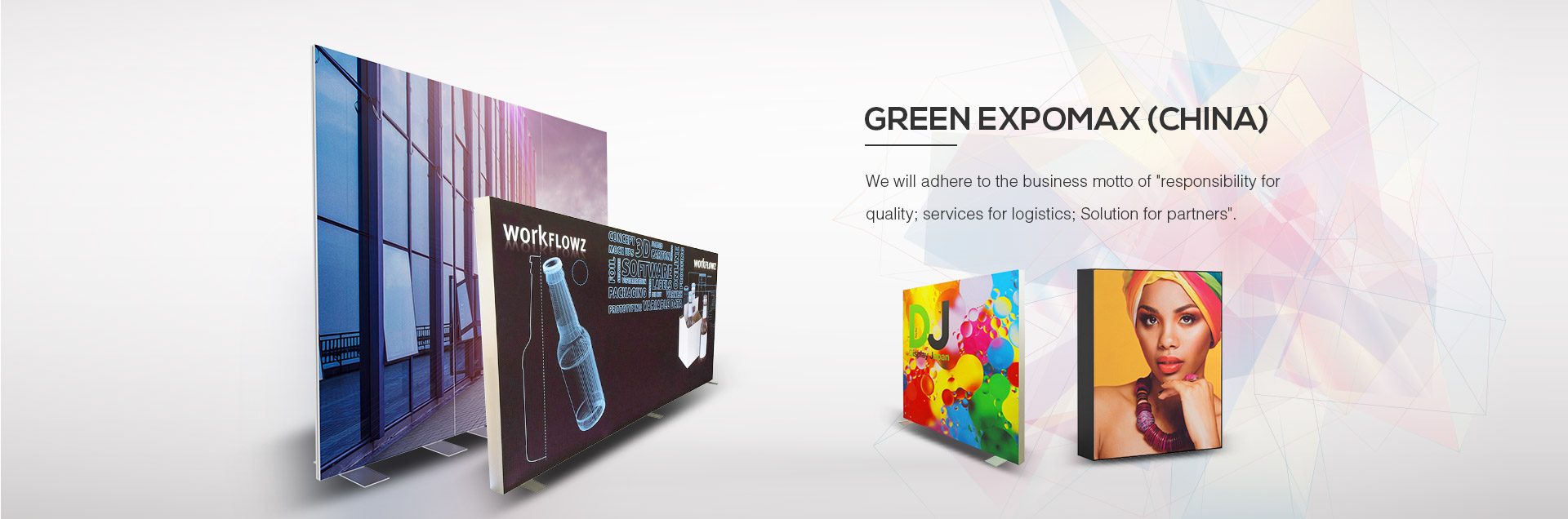
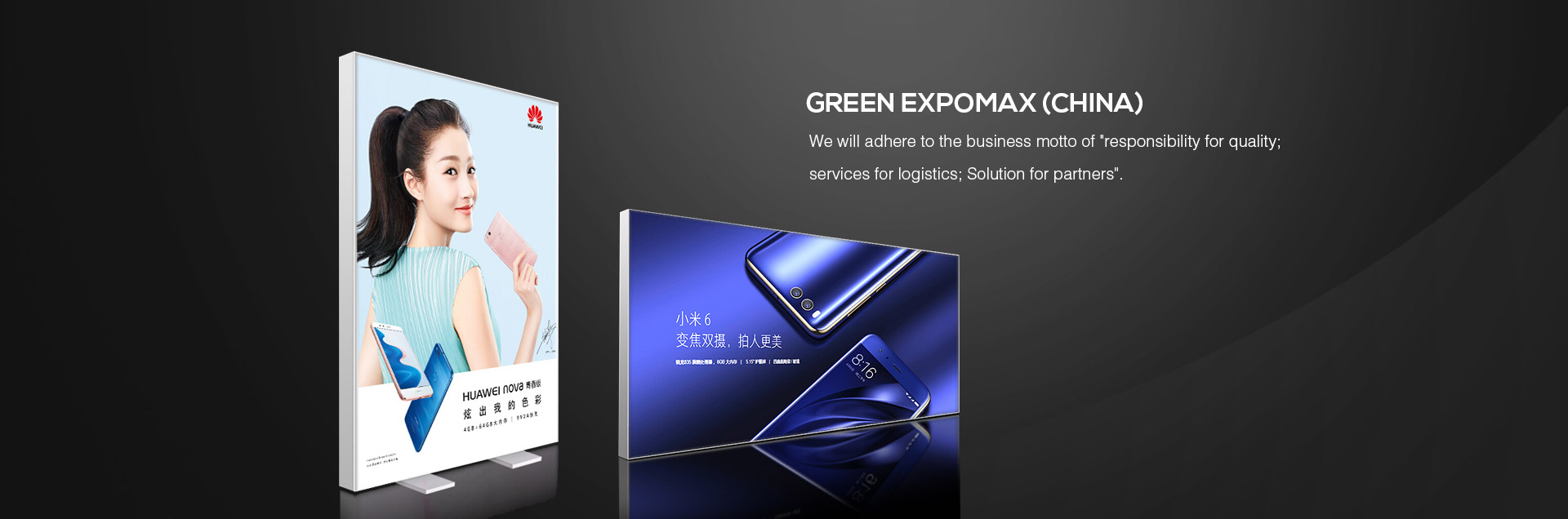
Green Expomax focuses on aluminum exhibition and event products, including modular exhibition systems, tension fabric displays, SEG systems, booth cases, exhibition walls, and backlit stands. Its stated company profile identifies approximately 15 years of production experience, a 3,000-square-meter factory in Changzhou, China, and exports to more than 40 countries. Those details make supplier verification important, especially when I am comparing frame compatibility, packaging, replacement graphics, and installation support rather than only the display face.
An SEG lightbox often has a higher initial cost because the purchase includes a precision aluminum frame, LED components, a sewn fabric graphic, and sometimes a transport case. A traditional lightbox may have a lower entry price when it uses a simple snap frame or an existing rigid panel. The correct comparison should include graphic changes, freight, storage, labor, electrical maintenance, and the number of planned uses.
The following example is an illustrative cost model rather than a supplier quotation:
| Cost item over three years | SEG lightbox example | Traditional lightbox example |
|---|---|---|
| Initial frame and lighting | $1,200 | $850 |
| Initial graphic or panel | $280 | $220 |
| Two replacement graphics or panels | $560 | $440 |
| Graphic-change labor over six updates | $180 | $540 |
| Protective storage and transport | $240 | $420 |
| Estimated three-year total | $2,460 | $2,470 |
In this example, the SEG system reaches cost parity because repeated graphic changes require less labor and less protective transport packaging. If the display will be used only once and never updated, the traditional option may remain less expensive. If the system will be reused for six events with frequent artwork changes, the SEG model may provide a lower total cost despite its higher initial purchase price.
I also check whether replacement graphics can be purchased independently. A supplier that requires a complete new frame for every campaign can remove much of the economic advantage of the SEG format. Before purchasing, I request the replacement graphic price, sewing specification, lead time, warranty period, LED replacement method, and shipping dimensions in writing.
The right choice changes according to traffic, lighting, impact risk, and update frequency. I use the following matrix as a starting point rather than treating one display type as universally better:
| Environment | Recommended option | Main reason | Risks to check |
|---|---|---|---|
| Frequent trade shows | SEG lightbox | Compact transport and fast graphic replacement | Fabric staining, incorrect sizing, missing silicone edge |
| Retail storefront | Traditional LED lightbox or SEG | Choice depends on permanence and visual style | Glare, cleaning frequency, vandalism, local sign rules |
| Corporate reception area | SEG or rigid LED panel | SEG provides a soft frameless appearance; rigid panels provide impact resistance | LED access, color consistency, long operating hours |
| Permanent outdoor signage | Rigid traditional system | Rigid materials and sealed construction can suit fixed installations | Weather sealing, UV exposure, temperature change, maintenance access |
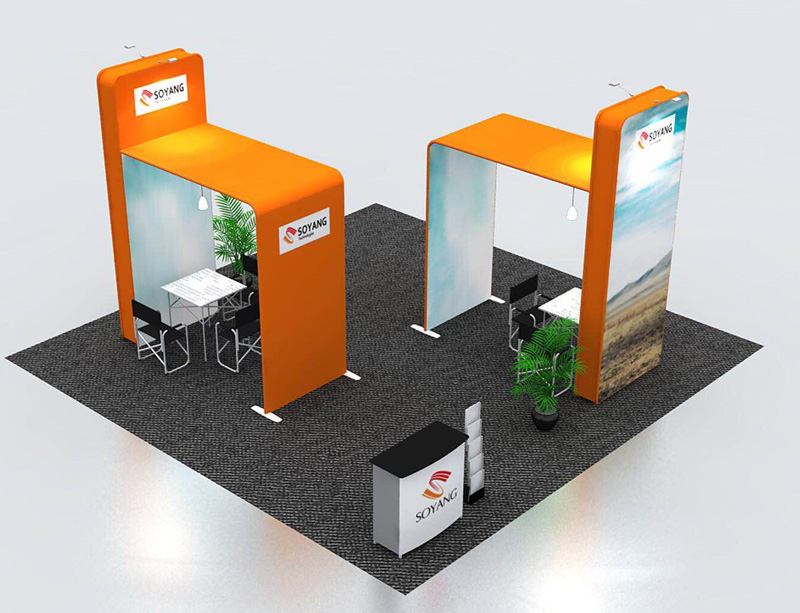
| Short-term event backdrop | SEG lightbox | Low visual hardware and reusable frame | Transport damage, fabric marks, power distribution |
| High-impact public area | Polycarbonate-based traditional system | Greater resistance to knocks than fabric | Panel weight, replacement cost, visible frame structure |
| Frequent campaign updates | SEG lightbox | Replacement fabric can be changed without replacing the frame | Graphic inventory, sewing accuracy, storage conditions |
SEG is not a universal replacement for rigid signage. Fabric can stain, crease, or collect dust if it is stored without a protective bag. Although small marks may be less visible on a printed textile surface, contamination can still affect the appearance of a white or pale background.
Frame compatibility is another limitation. An SEG graphic made for one channel profile may not fit another manufacturer’s frame, even when the advertised width and height appear identical. LED maintenance also matters because a failed module, power supply, or connector can create a dark area behind an otherwise usable graphic.
The graphic must be measured accurately. I confirm finished dimensions, corner construction, silicone strip diameter, print bleed, viewing side, and whether the frame uses a single-sided or double-sided configuration. I also request a physical or digital proof showing the illuminated artwork, because a print that looks balanced on a monitor may appear darker or more saturated when backlit.
Before I place an order, I ask the supplier to confirm the following specifications:
I choose an SEG lightbox when the display will travel regularly, the artwork will change several times, and a frameless fabric appearance is important. This is particularly relevant for trade shows, exhibitions, portable corporate displays, and branded event walls. I also prefer SEG when storage volume and graphic replacement labor have a measurable effect on the operating budget.
I choose a traditional lightbox when the sign will remain in one location, impact resistance is a priority, or the maintenance team already uses rigid panels and snap-frame hardware. Acrylic, polycarbonate, translucent film, and modern LED systems can be practical for retail stores, permanent signage, and public-facing installations. A traditional system may also be easier to specify when the project requires a sealed enclosure or a rigid substrate.
Neither format is automatically better in every environment. The best choice depends on whether I value portability, update frequency, frameless appearance, impact resistance, fixed installation, or the lowest initial purchase price.
The difference between SEG lightbox and traditional lightbox systems is primarily the graphic attachment method, but the decision affects much more than appearance. SEG lightboxes use silicone-edged fabric graphics, tool-free or low-tool replacement, modular aluminum frames, and LED illumination suited to portable displays. Traditional lightboxes use rigid panels, snap frames, translucent films, acrylic, polycarbonate, fluorescent tubes, or modern LED assemblies with a wider range of fixed-installation options.
For trade shows, exhibitions, and campaigns with frequent artwork changes, I generally favor SEG because the frame can be reused while the fabric graphic is replaced. For permanent signage, impact-prone locations, or projects requiring rigid substrates, I consider a traditional LED lightbox or polycarbonate system more suitable. Before ordering a SEG Light Box from Green Expomax or another supplier, I verify graphic dimensions, channel compatibility, LED maintenance, brightness uniformity, warranty terms, packed size, and the three-year total cost rather than comparing only the initial quotation.
Previous: None
Next: Who We Are


Copyright © Green Expomax (China) Exhibition Equipments Co.,Ltd. All Rights Reserved | Sitemap |