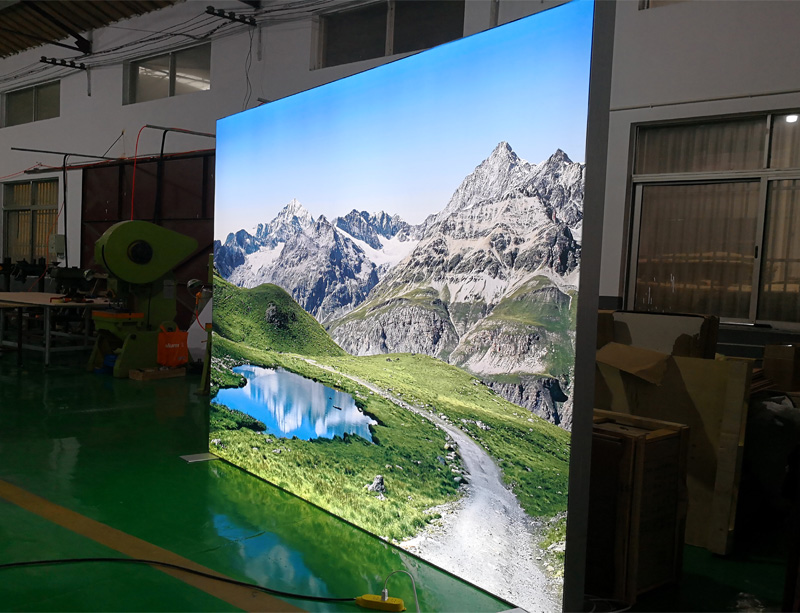


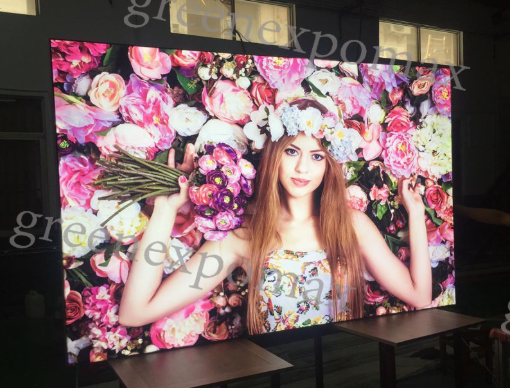
SEG has become one of the cleanest-looking solutions in commercial display work because it brings printing, finishing, and frame engineering into one coordinated system. SEG graphics are fabric panels sewn with a flexible silicone edge that fits into a recessed channel in the frame. Once installed, the graphic pulls tight across the face, creating a smooth, tensioned surface with no visible hardware.
That simple idea is what gives SEG display systems their sharp, modern appeal. For trade buyers across the China., we bring long-standing production experience to that process. We are a SEG fabric graphics and lit / unlit frames importer, manufacturer, and wholesaler.
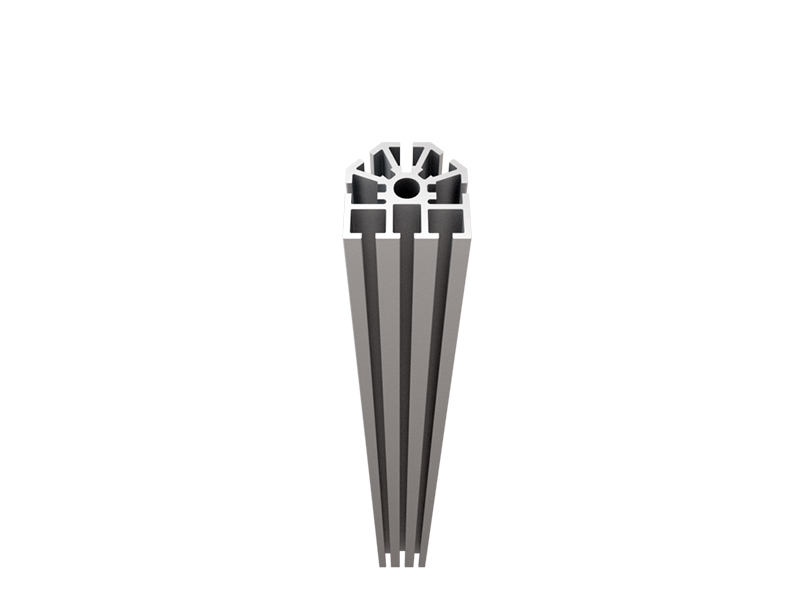
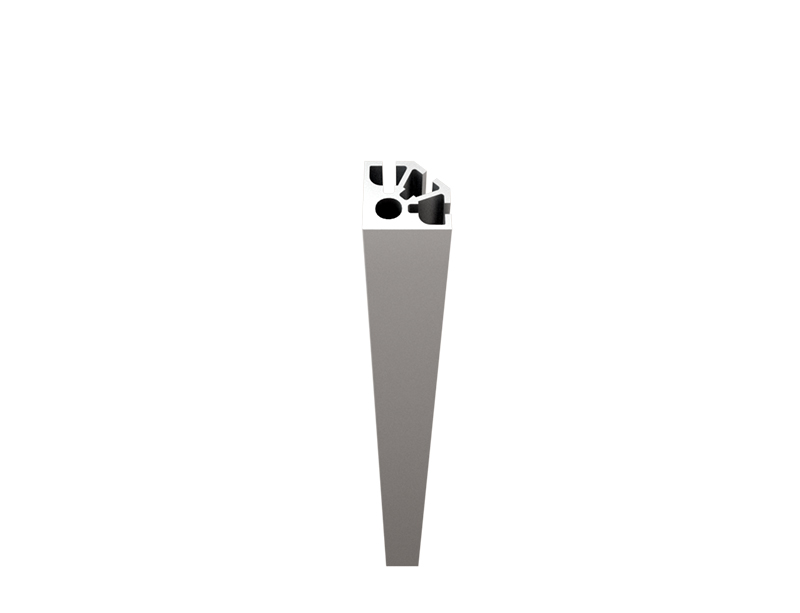
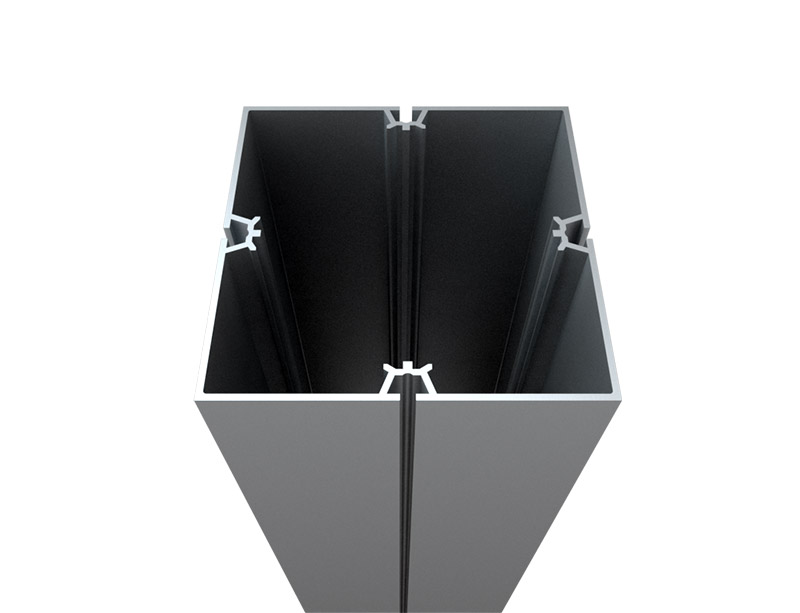
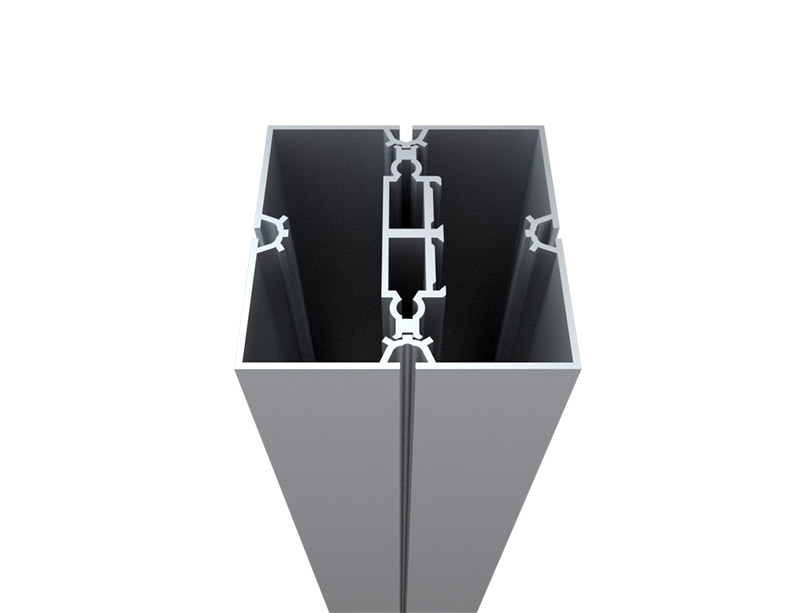
At its most practical level, SEG means silicone edge graphics. The system works by combining a printed fabric panel with a sewn silicone edge and a frame built with a narrow recessed channel. That edge, often called silicone keder, is pressed into the channel around the perimeter of the graphic. As it locks into place, it pulls the material evenly across the face of the frame.
That tension is what makes SEG graphics look so crisp. The surface stays flat, and the corners look more precise, and the image reads without the visual noise of clips, fasteners, or exposed hardware. In aluminum SEG frames, the recessed channel does the holding work behind the graphic, which is why the finished look feels so sleek. It is also why many teams describe these applications as frameless SEG displays, even though the frame is doing essential structural work behind the scenes.
This balance of hidden support and smooth presentation is a big reason SEG has become so common in branded interiors, exhibits, and high-impact wall graphics. Many specifiers like these systems because they look polished, stay wrinkle-free when finished correctly, and make graphic updates easier. When the fabric, silicone, and frame profile are matched properly, SEG frames and finished graphics work together as one clean visual system rather than as separate parts.
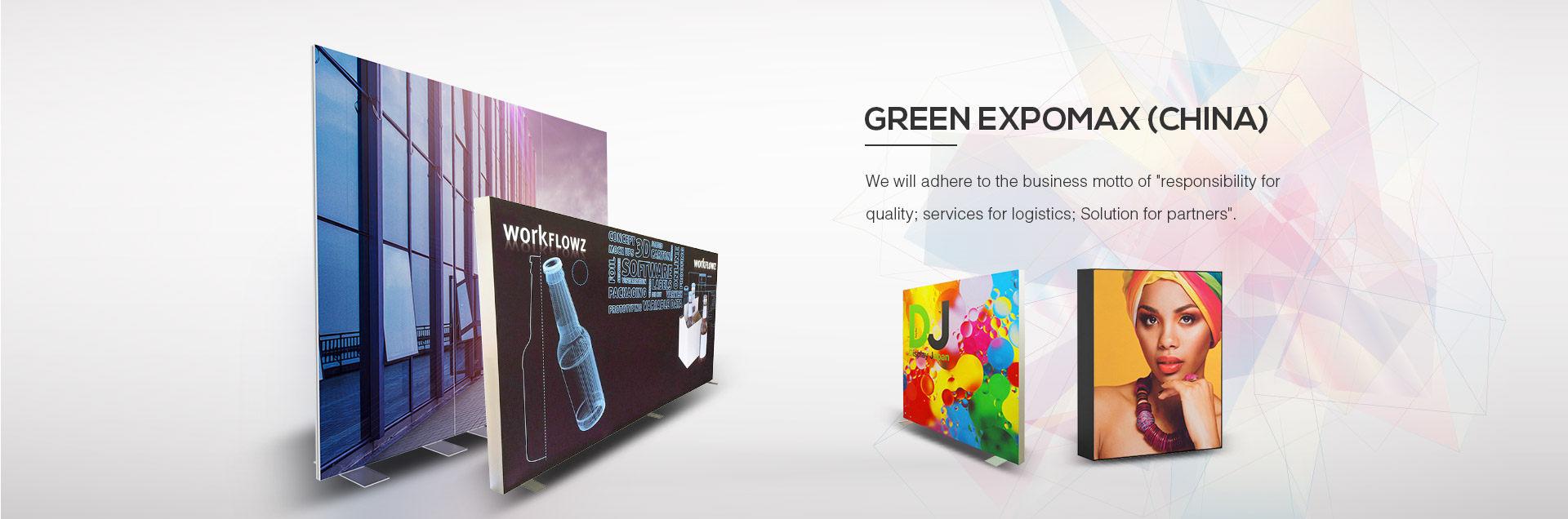
At Green Expomax, we produce Silicone Edge Graphics in all sizes. t. A panel that is even slightly off can affect corner tension, edge alignment, and the overall appearance of the finished graphic. Fit depends on the channel depth, the extrusion profile, and the correct silicone size. Frame style also shapes the application. Wall-mounted SEG frames are often used for permanent branded interiors and large-format wall graphics. Freestanding options work well in open environments where the display needs structure without relying on the wall. Hanging formats help define space from above in exhibit halls and retail settings. Double-sided versions are useful in aisles, walkways, and other areas with traffic coming from different directions. Curved SEG displays can soften the visual line of a booth or help a system follow an architectural concept. You can browse all of our SEG Hardware Options here.
The fabric does a lot of the quiet work in a SEG system. Backlit SEG fabric is designed to carry light evenly, making it a strong choice for illuminated graphics and branded lightboxes. Blockout SEG fabric is best when you don’t want people to see lights or objects behind the frame.Printing and finishing bring the system together. Dye-sublimation SEG printing is widely used because it delivers saturated color, sharp detail, and a soft hand without adding a heavy surface coating.
SEG works best in spaces where visuals need to stay sharp, current, and easy to maintain. As a result, the format has become common across events, retail interiors, offices, hospitality environments, signage, and larger branded installations.
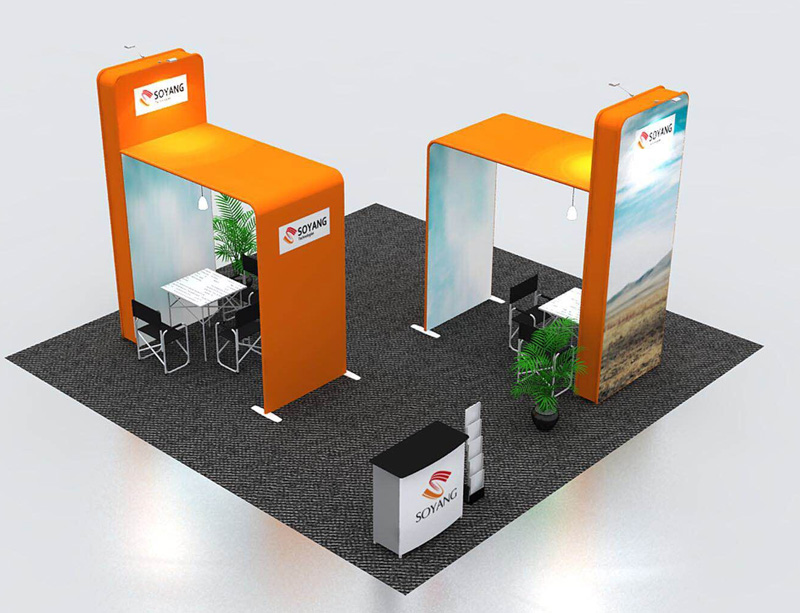
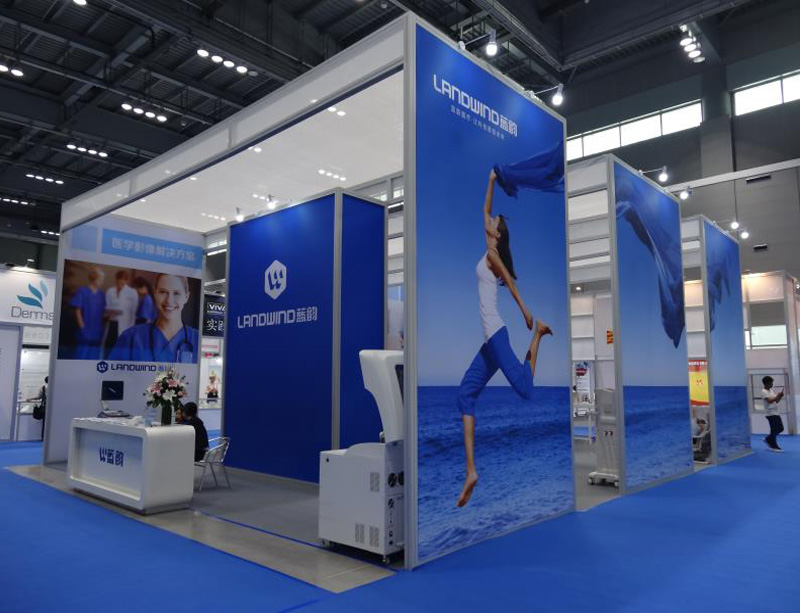
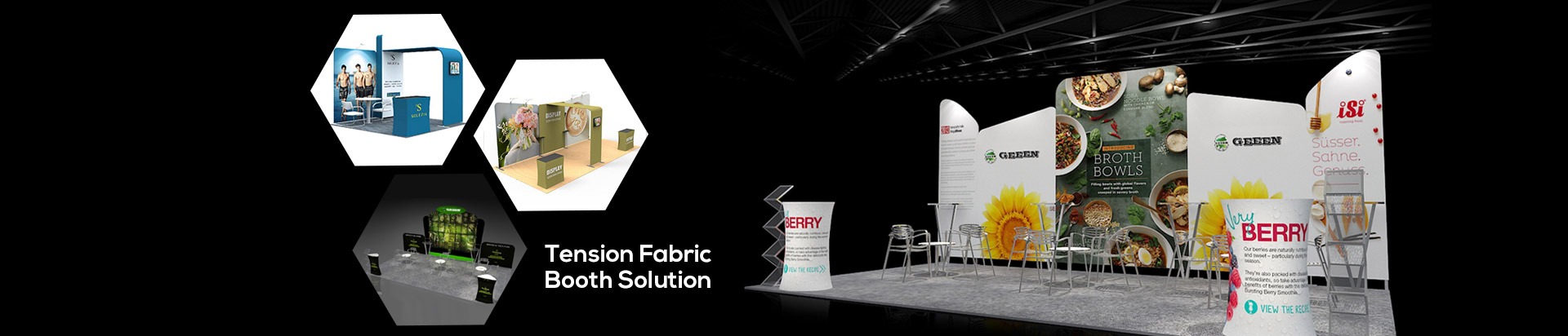
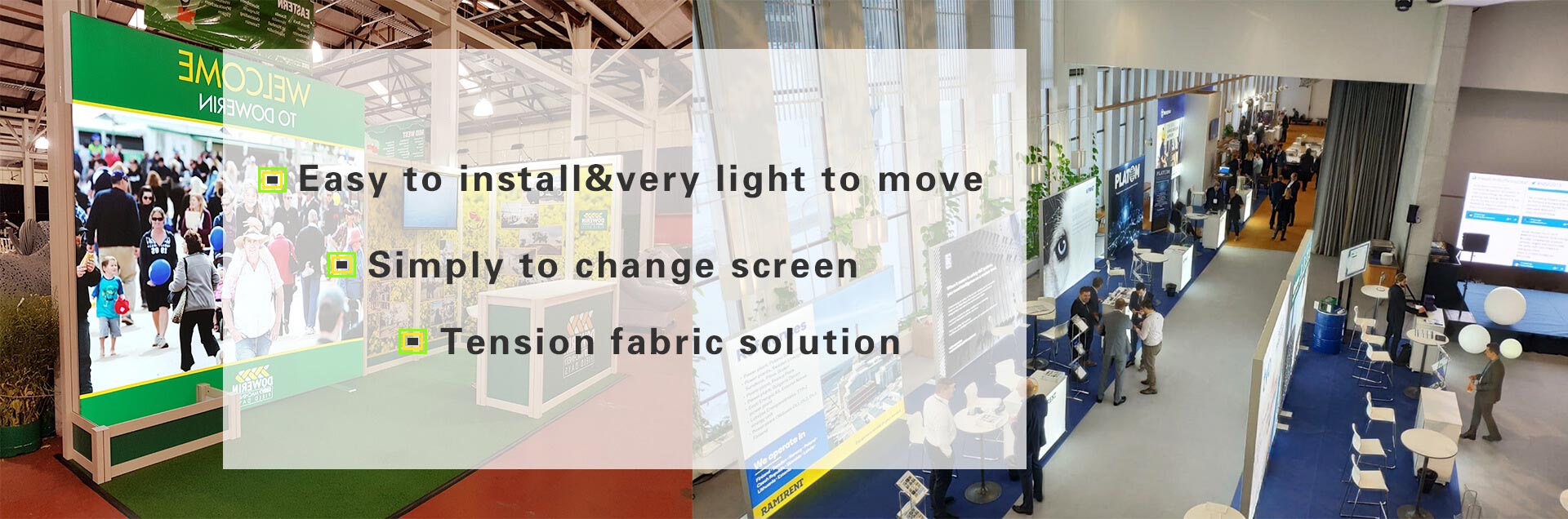
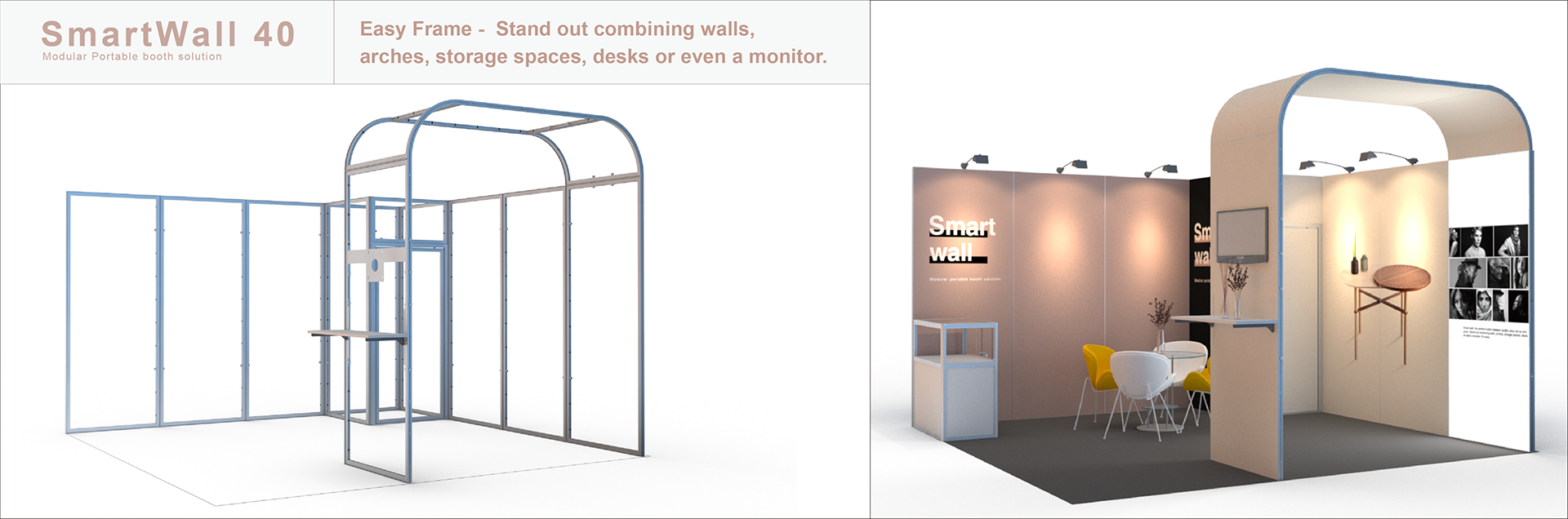
In exhibit work, trade show SEG displays help create modular booth walls, branded backdrop systems, and lightweight structures that still feel substantial in person. Some teams need fixed applications, while others lean on portable SEG displays that can ship, install, and update more easily from one event cycle to the next. Depending on the layout, freestanding, hanging, and double-sided frame options can all play a role.
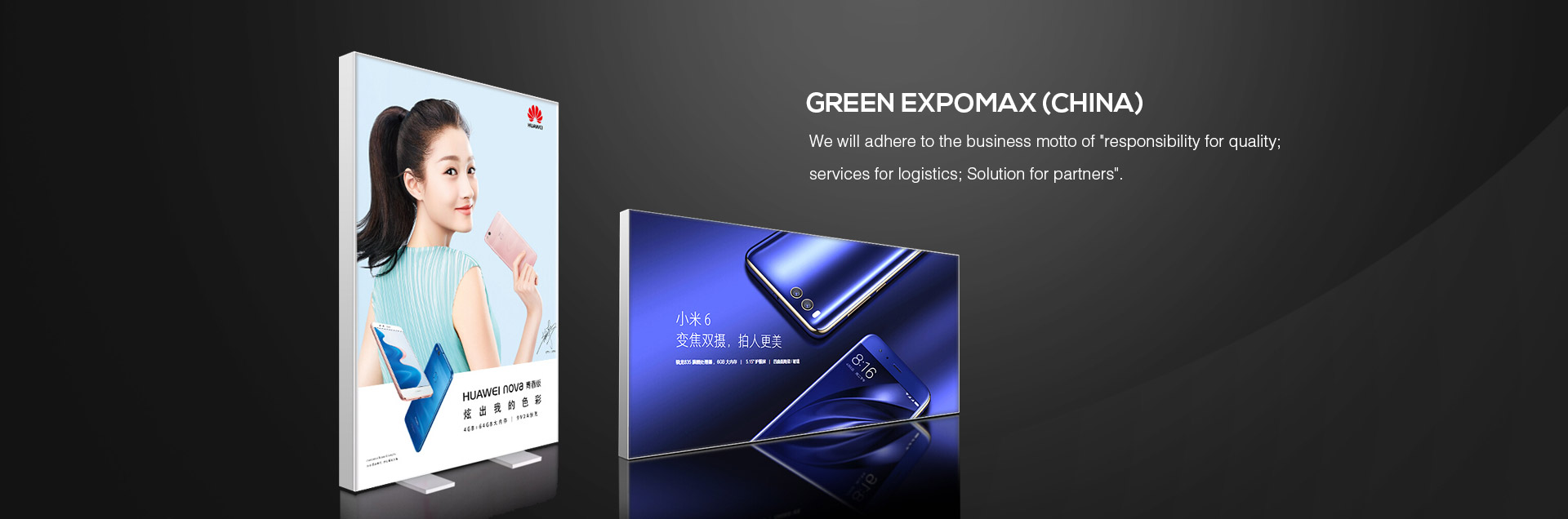
In interior environments, retail and office SEG displays offer a clean way to present seasonal campaigns, merchandising visuals, and brand imagery without making the space feel cluttered. SEG lightboxes are especially effective where illumination helps the message stand out, whether in a storefront, reception area, or hospitality wall.
That same approach also works in larger-format and navigation uses. Architectural SEG displays can cover broad wall areas with a smooth, contemporary surface, while wayfinding SEG signage gives directional messaging a more refined visual finish. Whether the application is fixed, suspended, lit, or portable, SEG adapts well because the system combines structure, flexible graphic updates, and a consistently polished look.
A SEG system only performs well over time when the fabrication is exact. A strong print helps, but print alone does not create a clean result. Fit, tension, and finishing do. If the panel is undersized, the face can look loose. If it is oversized, the corners can pull against the frame and the surface can look stressed instead of smooth. Even a small mismatch in channel depth or silicone profile can affect the entire appearance of the graphic.
For that reason, precise sizing is so important in commercial SEG work. At Green Expomax, we produce SEG graphics to exact dimensions for reliable fit and even tension. When the correct channel depth, extrusion profile, and silicone size are known, those graphics can fit many major frame brands and install with a much cleaner result. Good SEG graphic finishing is what helps the panel sit flat, hold its shape, and keep the edge consistent from corner to corner.
Replacement value is another major advantage. Teams do not always need to replace the hardware when a message changes. Replacement SEG graphics make it easier to refresh seasonal campaigns, trade show booths, branded interiors, and repeat-use environments without starting over. That practical flexibility is one reason SEG continues to appeal to teams managing long-term visual programs.
One of the clearest benefits of SEG is how easily graphics can be changed without tools. In retail, events, and portable environments, faster swaps can save labor, reduce disruption, and keep updates simple. For teams using portable SEG displays, that flexibility becomes even more valuable from one setup cycle to the next. It also supports practical sustainable SEG displays, since the frame stays in service while only the graphic changes.
Before ordering, professionals should settle the application first. Is the system meant for a branding wall, trade show booth, lobby feature, directional sign, or a larger display structure? That answer affects almost every other choice.
From there, the main questions are fairly simple. Will the graphic be lit or unlit? Does the job call for wall-mounted or freestanding hardware? Should the system be single-sided or double-sided?
These details are important because SEG display systems are only as reliable as the information behind them. SEG frame specifications need to be clear before production begins, especially when working with aluminum SEG frames or illuminated applications such as SEG lightboxes. Accurate quoting, production consistency, and commercial experience all make a difference once deadlines tighten.
Supplier support plays an important role here. At Green Expomax, we offer in-house SEG printing and SEG Frames for deadline-driven U.S. trade work, helping customers move from concept to completion with fewer surprises with fewer surprises.
SEG works because the parts are matched correctly. The frame, fabric, print method, and silicone edge all have to work as one system for the finished face to look smooth, tight, and modern. Well-made SEG graphics also make updates easier and give customers more long-term value from the same hardware. For display professionals across the U.S., we produce custom SEG fabric graphics, replacement panels, and frame-ready solutions that help SEG display systems perform the way they should.
Frequently Asked Questions
Silicone edge graphics are printed fabric panels designed to fit precisely into a frame channel. In simple terms, SEG graphics are typically fabric prints finished with a thin silicone border. That flexible edge slips into a recessed groove around the frame. Because the fabric tensions evenly, the result is a smooth, polished face without visible fasteners. That clean finish is one reason silicone edge graphics are so widely used in commercial spaces.
Most SEG graphics we produce are designed to stay seamless up to 10 feet in height, which aligns with our in-house printing capabilities. Within that range, width can be customized based on the application and frame system.
For larger displays, panels can still be produced with seaming when required. We also match graphics to existing frame specifications when provided, which helps ensure proper fit and tension during installation.
Backlit SEG frames are designed to work with internal lighting, usually LED panels, which illuminate the graphic from behind. This makes colors appear brighter and more saturated, and helps the display stand out in retail, trade show, and high-visibility environments.
Non-lit SEG frames rely on ambient lighting. They offer the same smooth, tensioned surface but without internal illumination, making them a more practical option for standard wall displays, offices, or areas where lighting is already sufficient.
The choice usually comes down to visibility and environment. Backlit systems draw more attention, while non-lit frames are often simpler and more cost-effective.
SEG fabric graphics make the most sense when teams need a cleaner finish, easier updates, and a flexible visual system. They work especially well as graphic solutions for branded interiors, exhibits, hospitality spaces, and large-format walls. Many teams choose these displays to present messaging that may change over time without replacing the full hardware package. They are also useful when a project needs a more polished face than rigid panels can offer, especially in customer-facing commercial environments.
At trade shows, exhibitors need visuals that look sharp on the floor and can handle repeated use. SEG fits that need well because it offers a crisp, tensioned face, lower shipping weight than some rigid options, and easier graphic replacement between events. That combination makes it a powerful choice for modular booth walls, branded backdrop systems, and portable structures. It also helps teams maintain a consistent look across multiple events without rebuilding the entire presentation each time.


Copyright © Green Expomax (China) Exhibition Equipments Co.,Ltd. All Rights Reserved | Sitemap |