

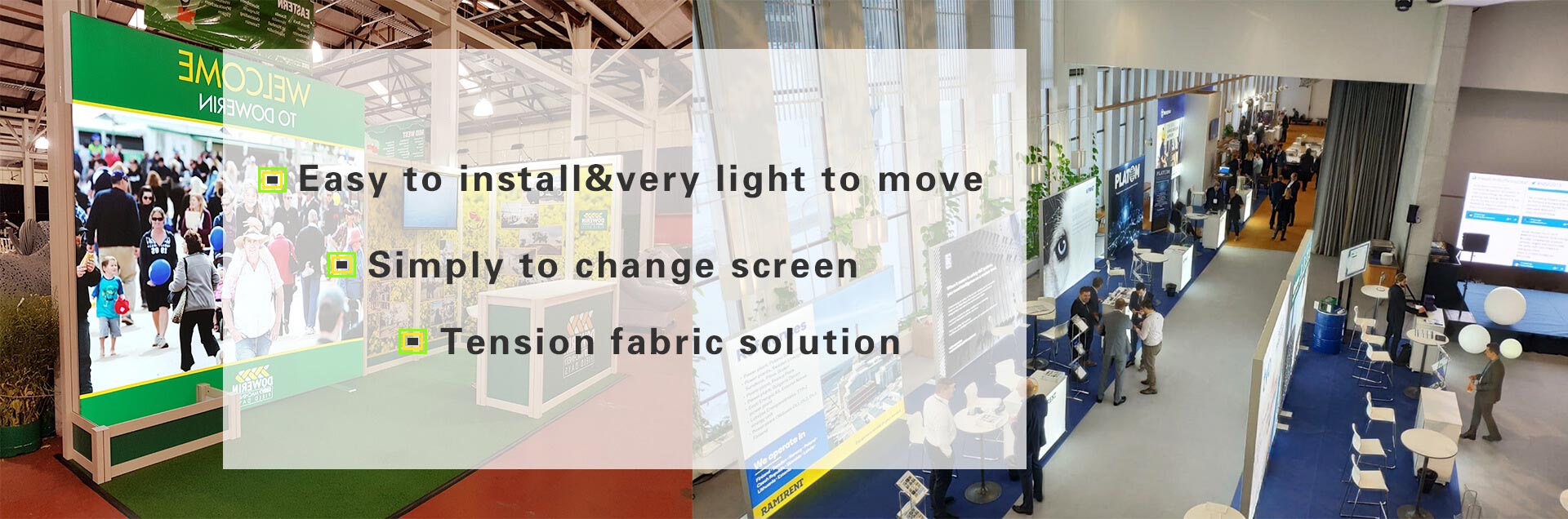
For most trade show booths, buyers should choose LED light boxes when large branded graphics need uniform illumination, while spotlights are more suitable when the goal is to highlight products, shelves, counters, or specific display areas. When a booth combines large fabric graphics with physical products, a mixed lighting design can be more practical than using only one lighting type. The purchasing decision should consider graphic area, booth height, product display requirements, power availability, transport, installation, and expected reuse.
Trade show lighting affects more than booth appearance. It also influences how clearly visitors see graphics, products, displays, counters, and brand information.
The two common approaches are:
LED light boxes: illuminate a fabric or graphic surface across a defined frame.
Spotlights: direct light toward specific products, walls, counters, or display areas.
Neither system is appropriate for every booth.
A 3 × 3 m booth dominated by a large branded backwall has different lighting requirements from a 6 × 6 m product demonstration booth containing shelves, cabinets, samples, and a reception counter.
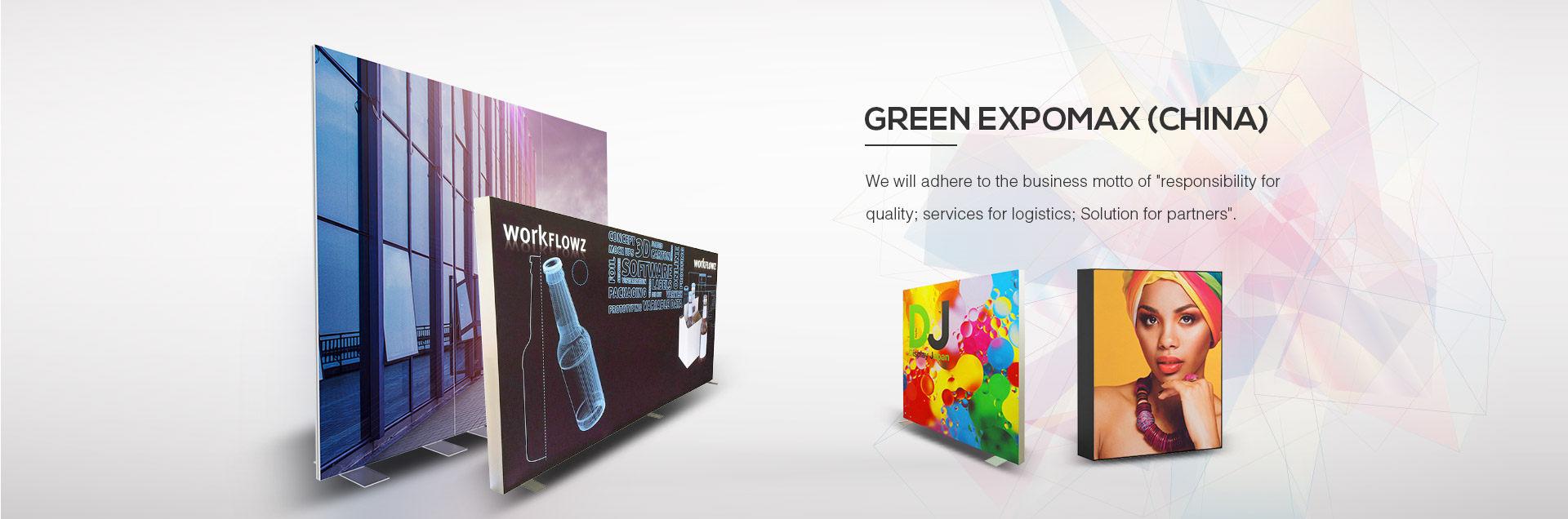
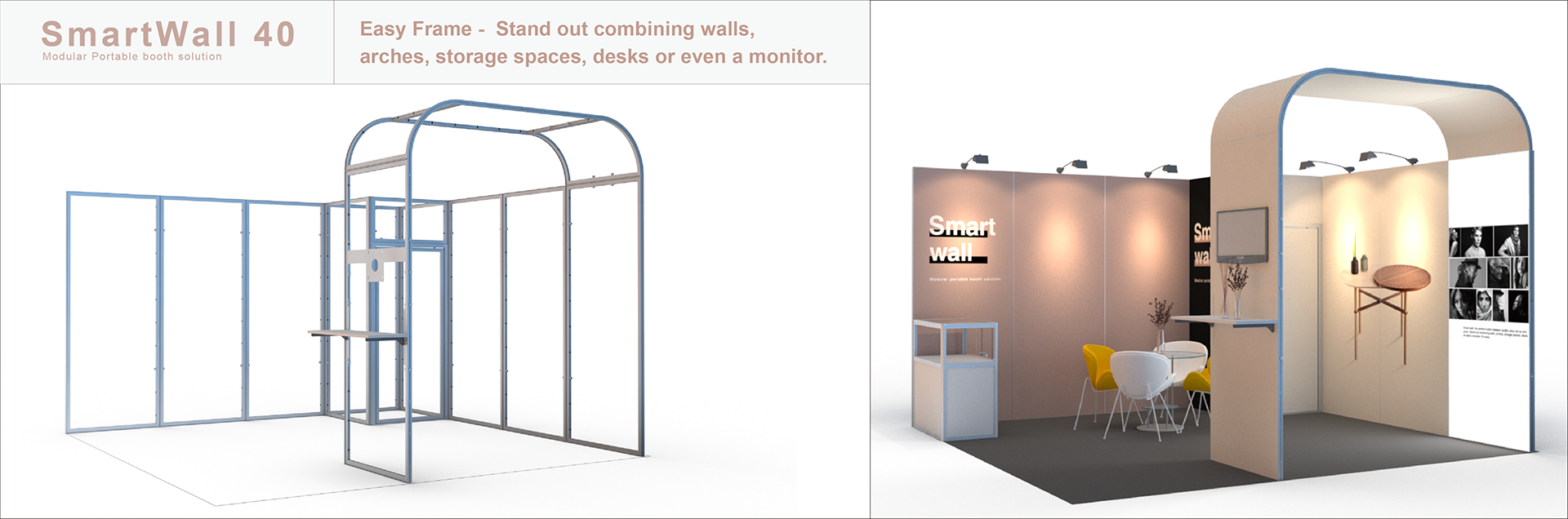
Green Expomax currently offers LED/SEG fabric aluminum frame systems, backlit exhibition displays, exhibition furniture, lighting products, and complete booth solutions. Its published product range includes single- and double-sided SEG systems and LED light-box configurations.
| Purchasing factor | LED Light Box | Spotlight |
|---|---|---|
| Main purpose | Illuminate graphic surface | Highlight specific objects |
| Light distribution | Broad and relatively uniform | Directional |
| Best for | Backlit fabric graphics | Products, counters, shelves |
| Graphic dependency | High | Low |
| Visual effect | Large luminous branding area | Focused product illumination |
| Installation | Integrated into frame | Mounted separately |
| Replacement | Graphic + lighting components as required | Individual fixture |
| Booth flexibility | Strong for branded walls | Strong for changing display targets |
| Main risk | Uneven brightness or wrong graphic | Shadows or excessive glare |
This comparison is a starting point. The final choice depends on the booth layout and the actual visual hierarchy.
An LED light box is worth considering when a major portion of the booth's visual communication depends on illuminated graphics.
Typical applications include:
Brand backwalls
Product-launch graphics
Large-format fabric displays
Double-sided illuminated walls
Hanging illuminated displays
Freestanding light boxes
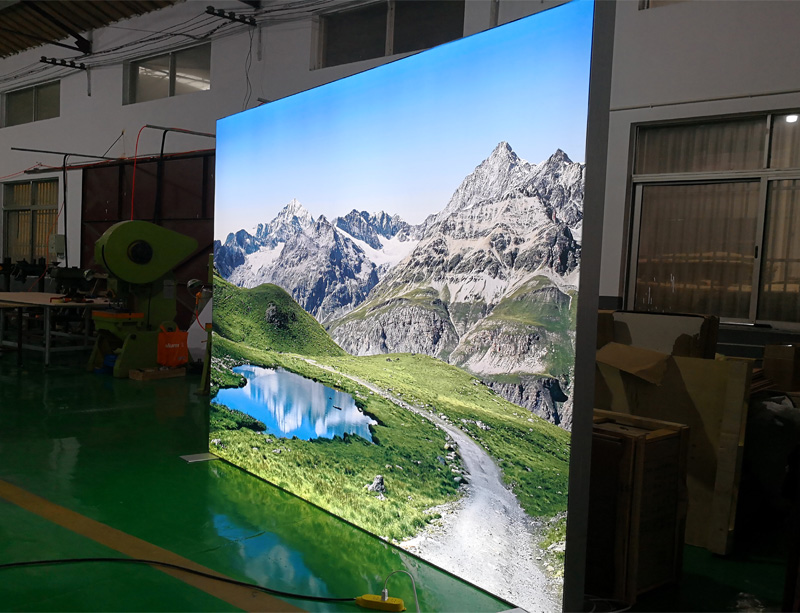
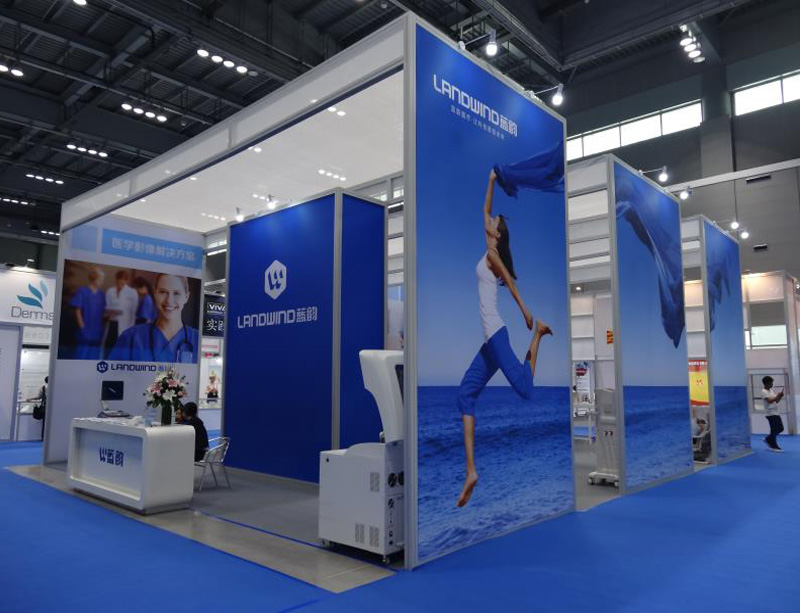
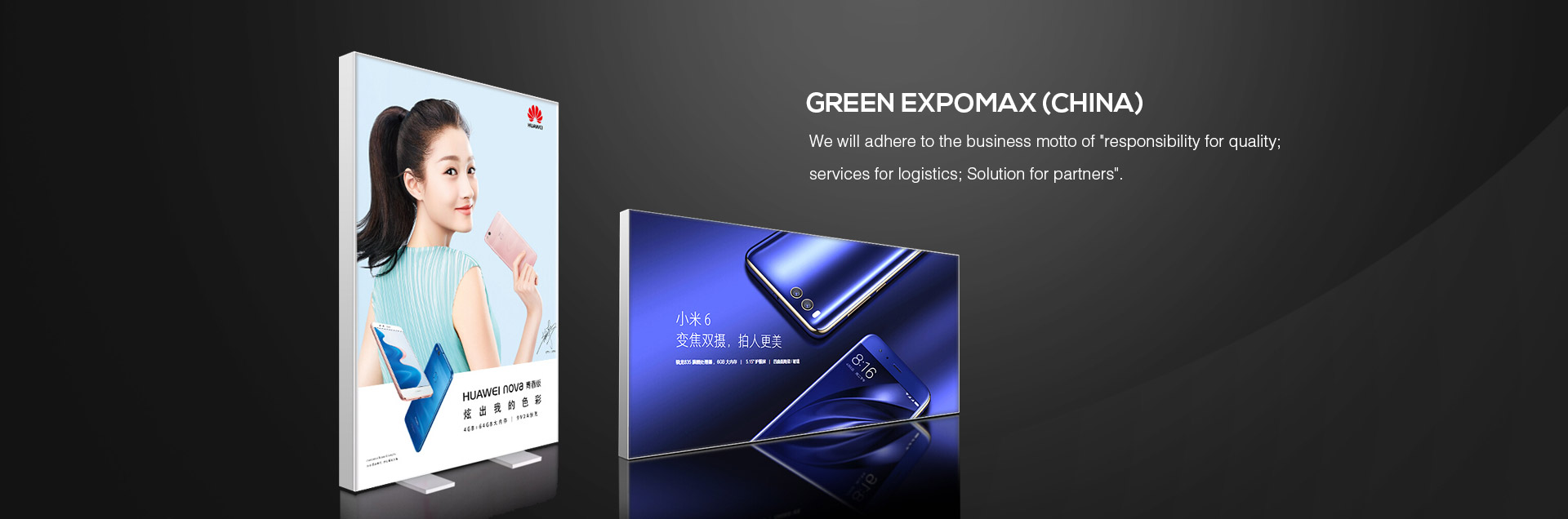
A backlit fabric wall can provide a large continuous visual area without requiring individual spotlights to illuminate every section of the graphic.
Green Expomax offers single-sided and double-sided SEG systems as well as cube configurations and LED light-box applications.
Do not evaluate only the advertised brightness.
Ask about:
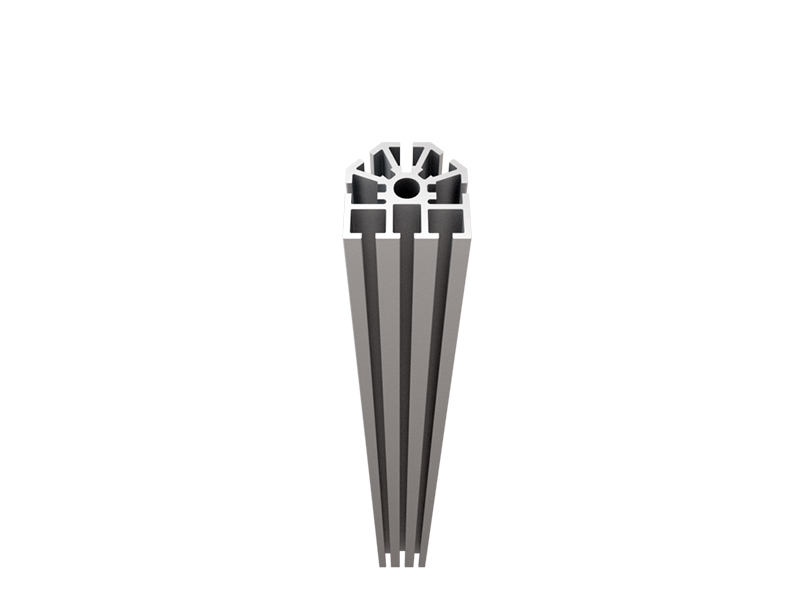
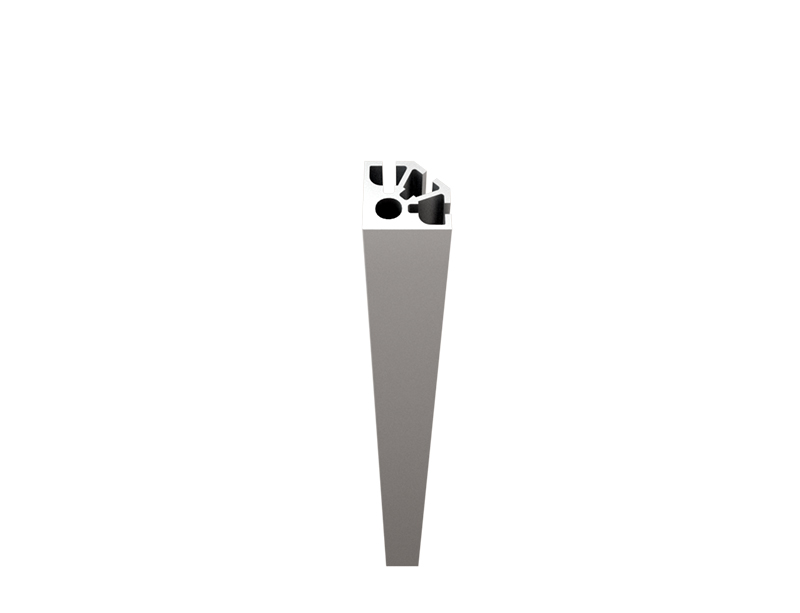
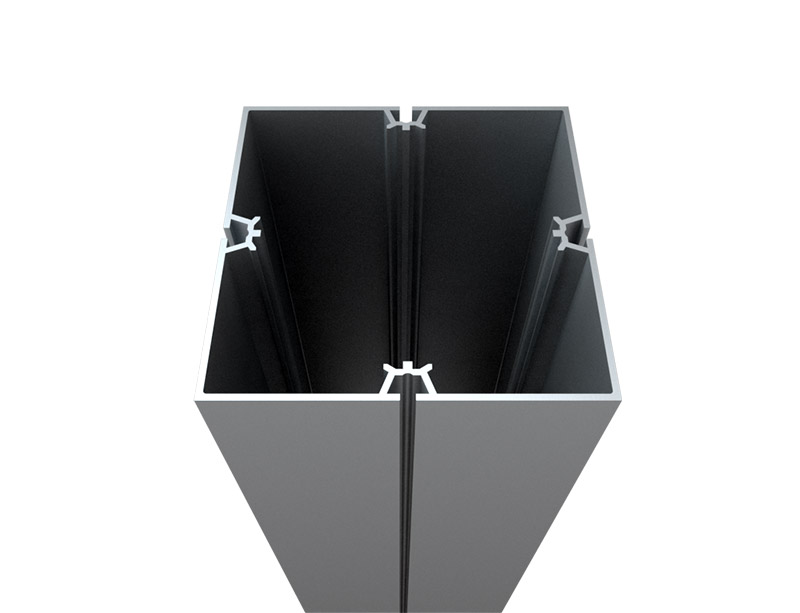
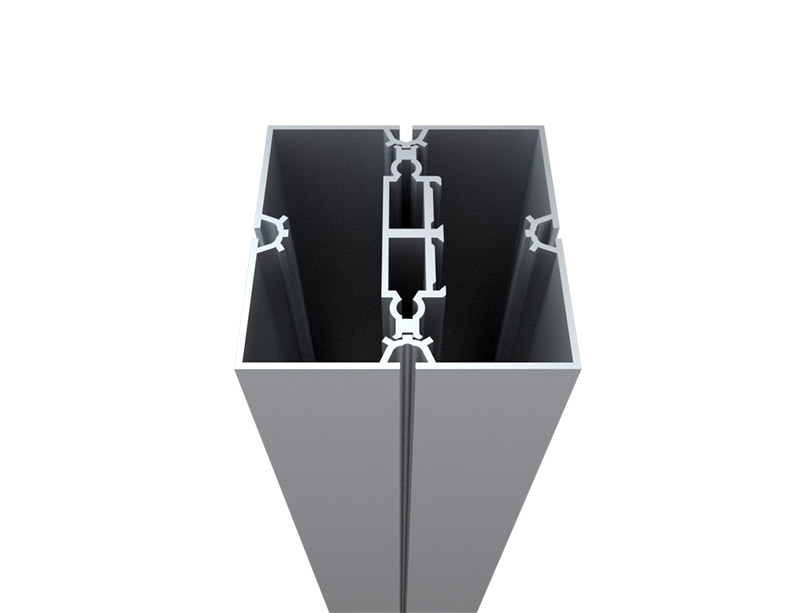
Frame profile
Graphic dimensions
LED configuration
Power supply
Light distribution
Single- or double-sided construction
Fabric specification
Silicone edge specification
Assembly method
Replacement LED availability
Packed dimensions
The graphic and frame must be treated as one system.
If the graphic dimensions do not match the actual frame groove and finished size, even a correctly functioning lighting system can produce wrinkles, gaps, or an uneven appearance.
Spotlights can be more practical when the booth contains physical products that need directional illumination.
For example, a company displaying:
Machinery components
Electronics
Cosmetics
Packaging
Industrial samples
Jewelry
Furniture
Technical equipment
may need light directed toward individual products rather than a uniformly illuminated wall.
Spotlights also allow exhibitors to change the visual focus during booth redesign.
If a product moves from one display shelf to another, the lighting direction can often be adjusted without replacing an entire illuminated wall.
Yes. A combination can provide different lighting layers.
For example:
Backlit wall → brand communication
Spotlights → product display
Counter lighting → reception area
Accent lighting → demonstration area
This approach is particularly useful for larger booths where visitors need to understand both the brand and the products.
The main limitation is power management and visual consistency.
Too many lighting sources can increase electrical load, create glare, or make the booth visually inconsistent.
An LED light box may show brighter and darker areas if the lighting arrangement does not distribute light properly.
For large backlit graphics, buyers should ask how the LED system is arranged behind the fabric and whether the frame depth is appropriate for the selected system.
Bright directional lights can reflect from glass, glossy displays, screens, or polished products.
The solution is not necessarily to increase brightness. Beam angle and fixture position may be more important.
Spotlights positioned incorrectly can create shadows across products or graphics.
This is particularly relevant when several tall objects are displayed close together.
Lighting fixtures can contribute to heat around enclosed displays.
For enclosed cabinets, electronics, or products sensitive to temperature, the lighting configuration should be reviewed together with ventilation.
A booth can contain LED light boxes, spotlights, monitors, charging stations, product equipment, and other electrical devices.
The lighting order should therefore be coordinated with the booth's total electrical requirements.
Booth size alone should not determine the lighting strategy.
| Booth condition | Possible lighting approach |
|---|---|
| Small booth, large branded backwall | LED light box |
| Small booth, few products | Spotlights |
| Medium booth with product shelves | Mixed lighting |
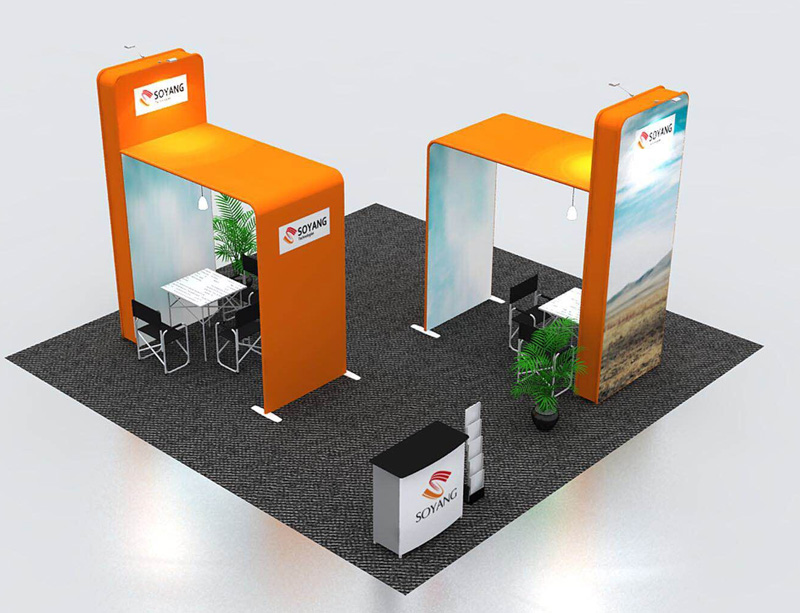
| Large booth with several graphic walls | Multiple LED zones |
| Large booth with demonstrations | LED walls + spotlights |
| Double-sided traffic flow | Double-sided light box |
| Product-focused booth | Directional lighting |
| Brand-focused booth | Large illuminated graphics |
The key is to map lighting to visitor attention.
If every wall is equally bright, important product areas may not stand out. If only the products are lit, the brand backdrop may become visually weak.
The answer depends on visitor traffic.
A single-sided display is generally sufficient when the graphic faces a wall or a defined visitor direction.
Double-sided systems become more useful when visitors approach the display from two sides or when the display is placed in the center of an aisle or open booth.
Green Expomax lists both single-side and double-side SEG sections and also offers cube-style configurations.
Before ordering, confirm whether both sides require:
Printed graphics
LED illumination
Separate power
Independent graphic replacement
This affects both the initial quotation and future graphic replacement cost.
A useful RFQ should specify:
Booth information
Booth dimensions
Booth height
Floor plan
Open sides
Graphic information
Backlit or non-backlit
Fabric or rigid graphics
Graphic dimensions
Single or double-sided
Lighting
Light box or spotlight
Number of fixtures
Preferred lighting position
Color temperature requirements if specified
Electrical
Venue power supply
Required voltage
Total electrical equipment
Power distribution requirements
Logistics
Packed dimensions
Shipping destination
Event date
Installation method
Reuse requirements
Without these details, two apparently similar lighting quotations may actually cover different products.
For a first order, ask for evidence of system compatibility rather than relying only on product photographs.
Check:
Frame drawings
Graphic dimensions
LED layout
Power specification
Sample graphic
Connection method
Installation instructions
Replacement components
Packaging
Warranty terms
Green Expomax states that it has approximately 15 years of exhibition-product experience and operates a 3,000 m² production facility. Its product portfolio includes exhibition booths, LED/SEG fabric aluminum frames, exhibition walls and floors, furniture, lighting, and other event fittings.
For customized projects, the supplier should confirm the exact frame and lighting configuration before production.
A sample or prototype is particularly useful when the booth contains a large backlit area.
Check:
Graphic fit
Light uniformity
Frame connection
Fabric tension
LED wiring
Power connection
Installation sequence
Packed dimensions
Dismantling process
Replacement graphic installation
If the booth will be reused, test the dismantling and repacking process as well.
A lighting system that looks good during its first installation may still be inconvenient if it is difficult to transport or reinstall.
Neither is universally preferable. LED light boxes are more appropriate for large illuminated graphics, while spotlights are more useful for directing attention toward products and specific display areas.
Yes. A mixed system can illuminate branding through a backlit wall while using spotlights for products, shelves, counters, or demonstrations. The electrical load and lighting positions should be planned together.
Choose single-sided when visitors primarily view the display from one direction. Double-sided configurations are more suitable when the display is exposed to traffic from both sides or functions as a central booth element.
The frame, graphic, LED arrangement, and light depth need to be designed as a compatible system. Ask the supplier for the frame specification and, for a custom project, approve a sample before producing the complete booth.
Yes. Green Expomax lists LED/SEG fabric aluminum frames, single- and double-sided SEG systems, cube systems, and project-specific booth solutions. The final frame size, lighting configuration, graphics, and accessories should be confirmed against the booth design.
Start with the visual function, not the fixture.
If the main purpose is to create a large illuminated brand surface, evaluate an LED light box or backlit SEG system. If the main purpose is to highlight physical products, evaluate directional spotlights. If both functions are important, combine the two while controlling power, glare, shadows, and installation complexity.
For procurement, the safest approach is to request a complete lighting layout together with the booth drawing, graphic specification, power requirements, packing plan, and replacement-part information before approving production.


Copyright © Green Expomax (China) Exhibition Equipments Co.,Ltd. All Rights Reserved | Sitemap |