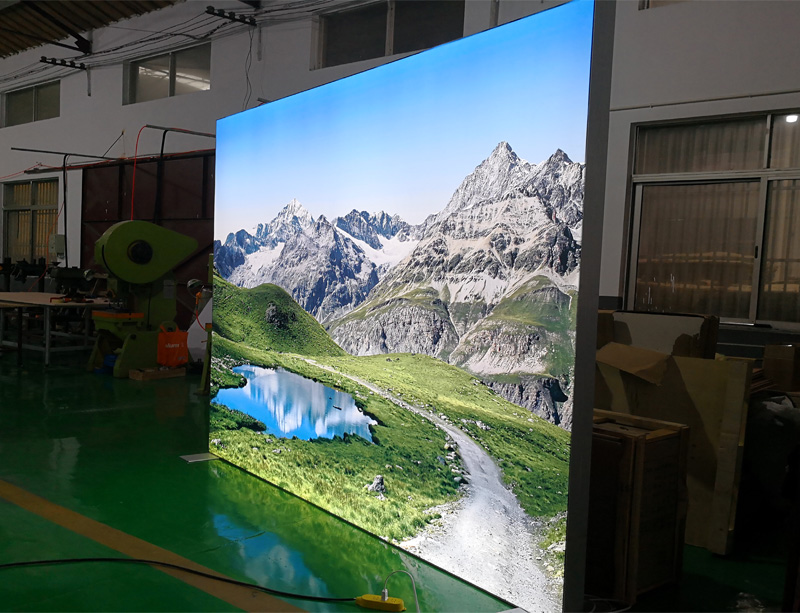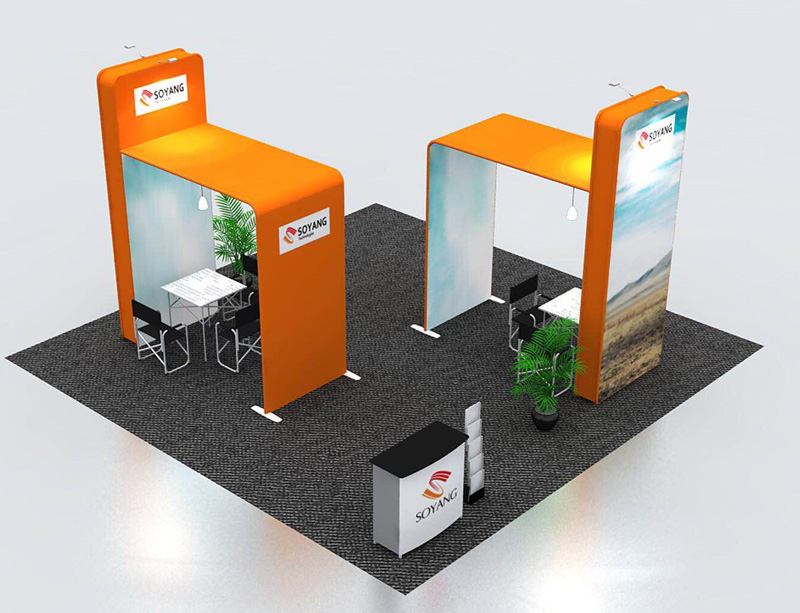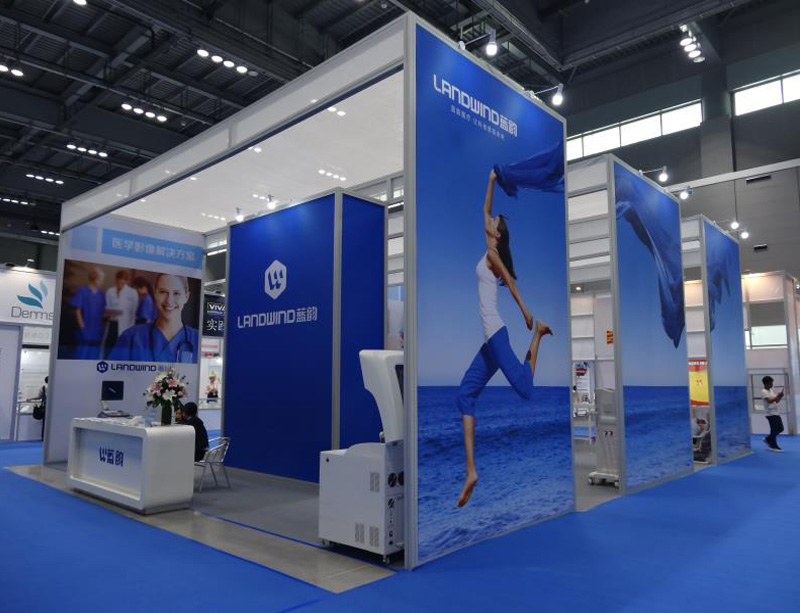


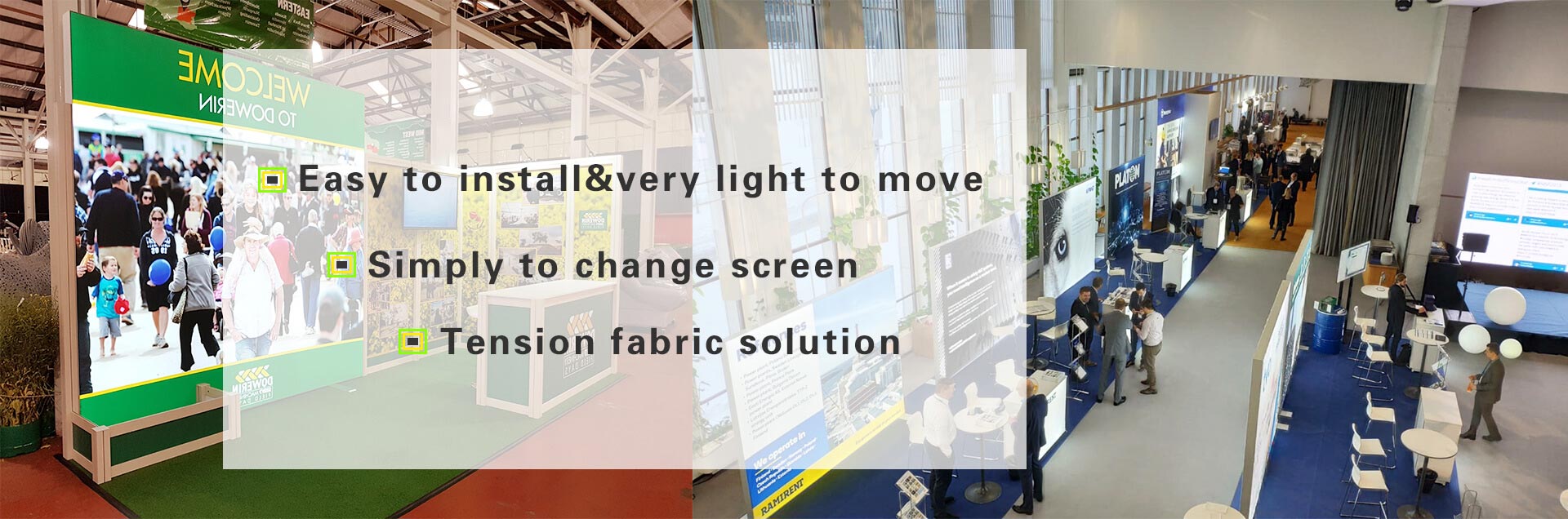
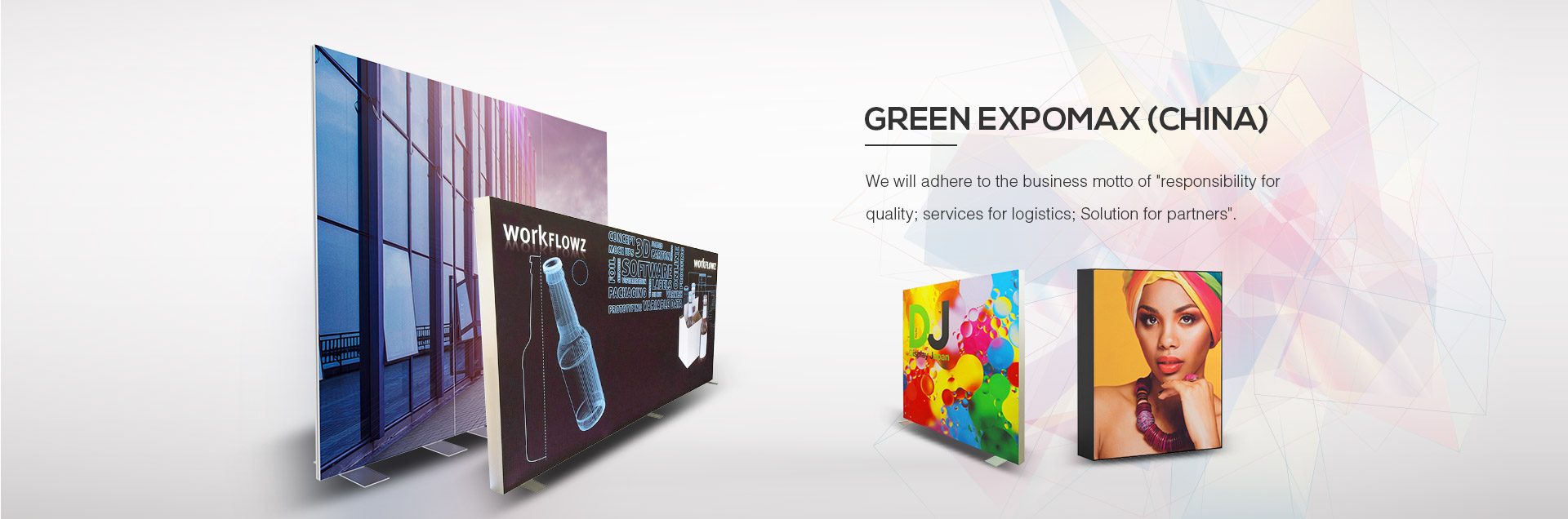
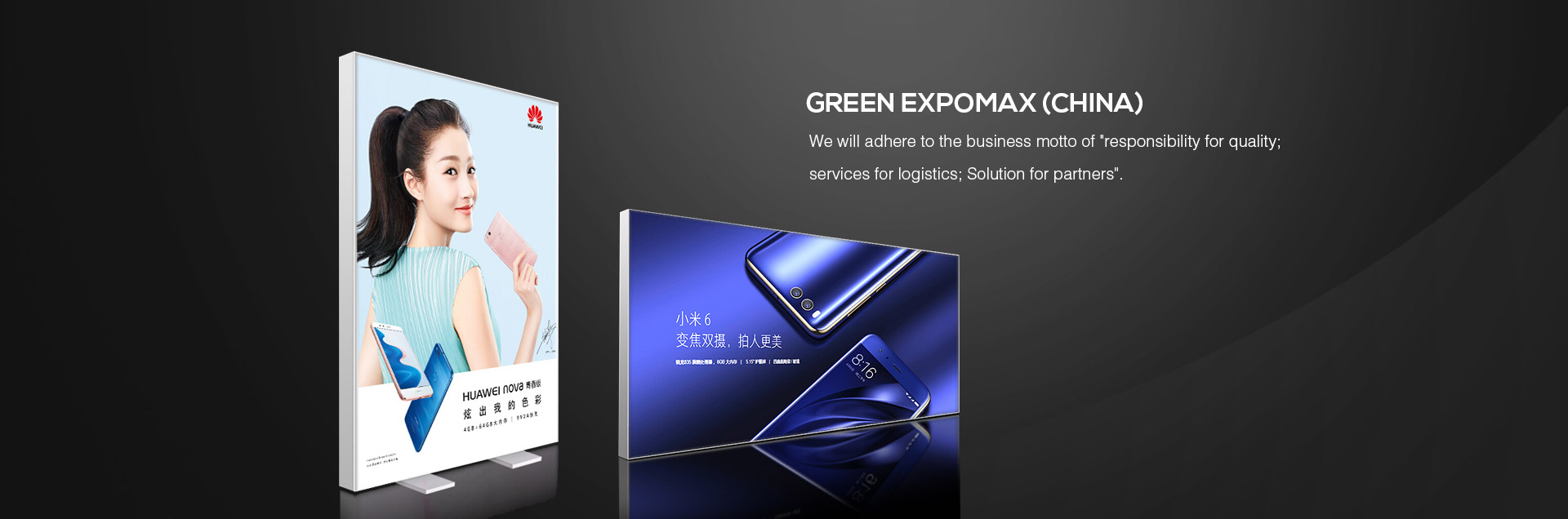
An SEG lightbox (Silicone Edge Graphics lightbox) system is a modern illuminated display that uses a thin silicone strip sewn around the perimeter of a fabric graphic, which is pushed directly into a recessed groove of an aluminum frame to create a tight, wrinkle-free, and virtually frameless look.
The key advantage is not simply illumination. It is the ability to produce a large, evenly lit graphic surface while allowing the printed fabric to be replaced without rebuilding the display structure.
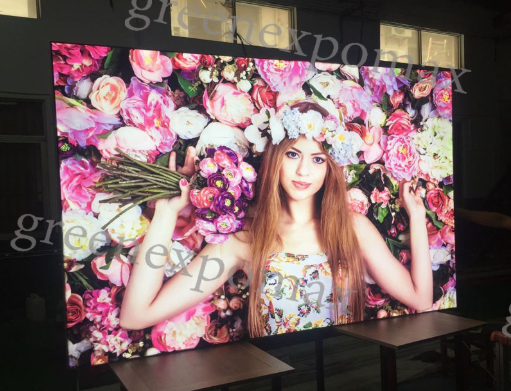
The secret behind the SEG lightbox’s effectiveness lies in its light diffusion technology. Here's a breakdown of how it works:
An SEG lightbox depends on three components working together:
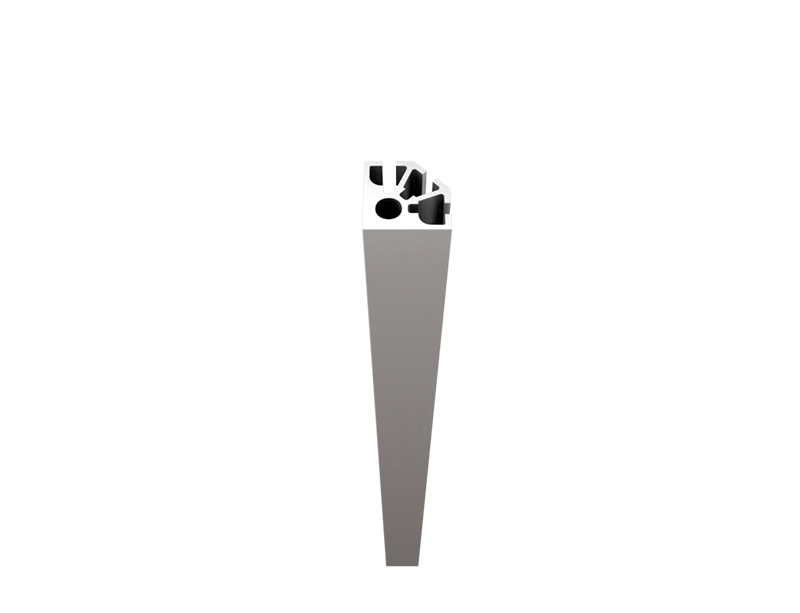
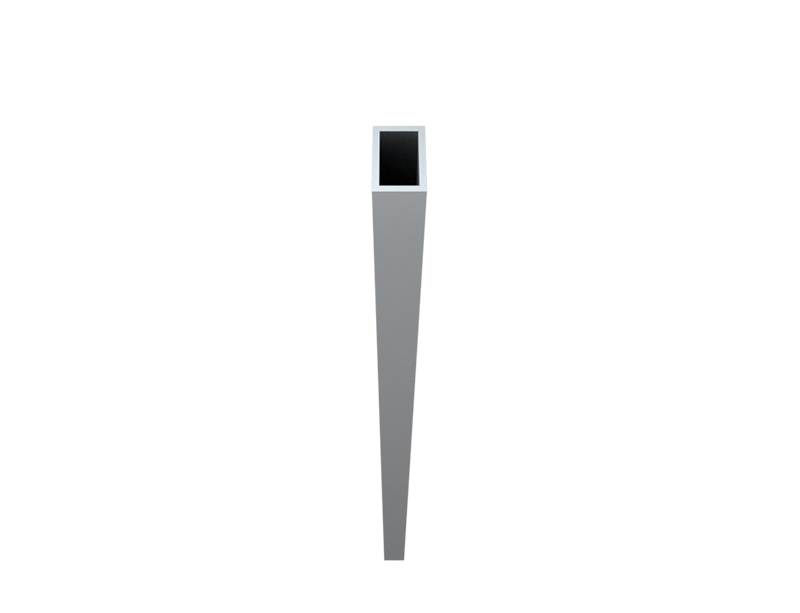
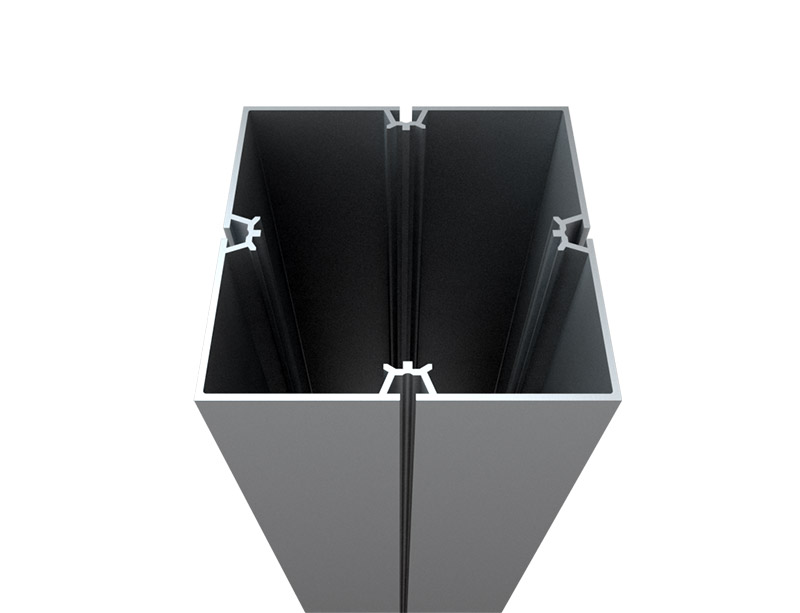
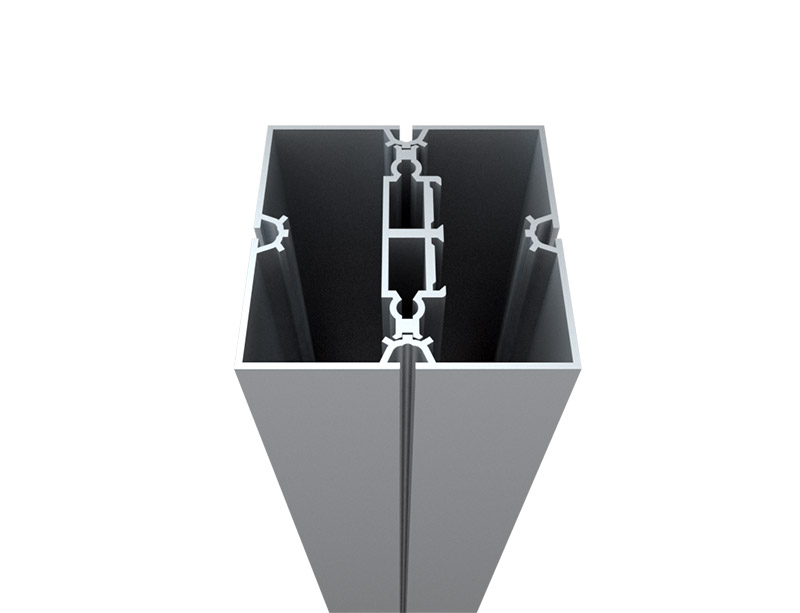
Aluminum Frame: Provides structural support, maintains graphic tension, and accommodates the lighting components.
LED Lighting System: Illuminates the graphic from behind or from the edges, depending on the lightbox design.
SEG Fabric Graphic: Uses a translucent printed fabric that diffuses light while displaying the intended colors and image details.
The LED arrangement is particularly important. Edge-lit systems position LEDs along the frame perimeter, while backlit systems distribute light sources behind the graphic.
Neither configuration is universally better. The correct arrangement depends on the dimensions, frame depth, graphic material, and required illumination uniformity.
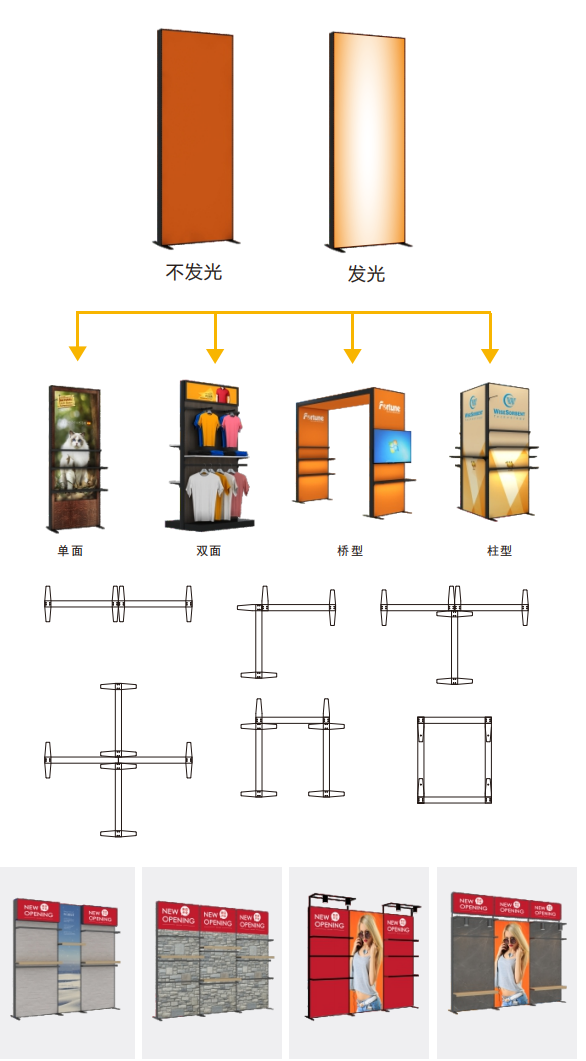
A well-designed SEG lightbox should provide consistent illumination without visible LED hotspots, dark corners, or excessive brightness variations.
Several engineering factors directly affect the result.
| Design Factor | Why It Matters |
|---|---|
| Frame Depth | Influences the available distance for light distribution |
| LED Spacing | Affects illumination uniformity and hotspot visibility |
| Graphic Fabric | Determines light transmission and diffusion |
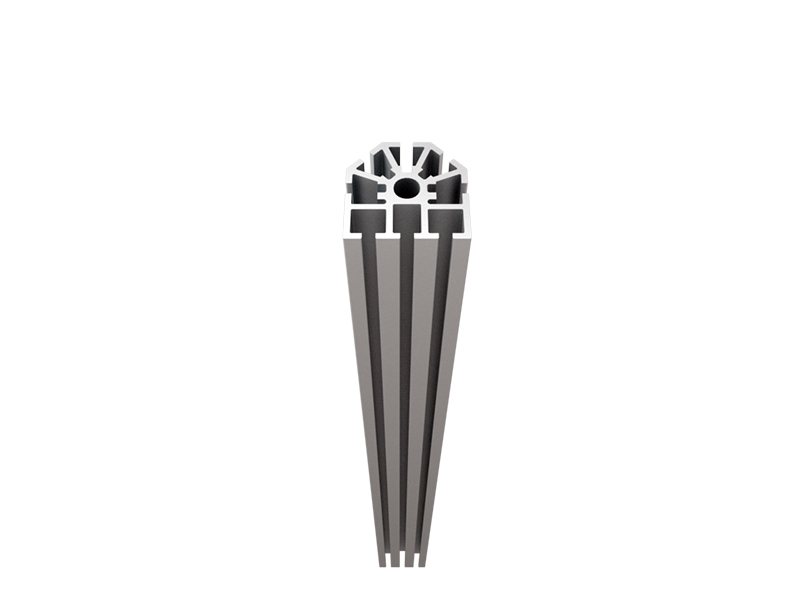
| Aluminum Profile | Supports structural stability and LED installation |
| Power Supply | Must match the LED load and electrical requirements |
| Heat Management | Helps maintain stable LED operation over time |
A shallow lightbox is not automatically superior. Reducing the distance between the LEDs and graphic can increase the risk of visible hotspots unless the lighting layout and optical components are designed accordingly.
For large-format installations, frame rigidity, LED distribution, and fabric tension must be considered together.
The primary difference is the integrated lighting system.
A standard SEG frame holds a tensioned fabric graphic and relies on ambient illumination. An SEG lightbox incorporates LEDs to illuminate a suitably selected graphic from within the structure.
This distinction affects profile selection, installation depth, electrical connections, fabric specifications, and maintenance requirements.
For example, a slim non-illuminated SEG frame should not automatically be treated as suitable for LED integration. The profile must provide adequate space for the lighting components and support the intended installation method.
For exhibition contractors and display manufacturers, the most important specifications extend beyond the overall width and height.
Before ordering an SEG lightbox, confirm:
Display Configuration: Single-sided or double-sided illumination.
Installation Method: Wall-mounted, freestanding, or suspended.
Frame Profile: Required depth, construction, and connection method.
Lighting Design: Edge-lit or backlit LED arrangement.
Graphic Compatibility: Fabric transmission, silicone strip dimensions, and finished graphic fit.
Electrical Requirements: Input voltage, power consumption, driver accessibility, and applicable market requirements.
These details should be established before finalizing the aluminum profile and LED configuration. Otherwise, an apparently suitable frame may produce uneven lighting or create installation difficulties.
At Green Expomax, we manufacture aluminum exhibition display systems, including SEG lightbox frames and display solutions for commercial and exhibition applications.
Our product range includes single-sided and double-sided SEG frame systems, with customization options for different display dimensions and installation requirements.
For projects requiring illuminated fabric displays, we can help customers evaluate aluminum frame configurations and compatible lighting solutions based on their technical requirements.
Contact Green Expomax with your display dimensions, installation method, lighting requirements, and order quantity to discuss a suitable SEG lightbox solution.

Q: Can SEG graphics be cleaned?
A: Yes. Because we use a dye-sublimation process, the ink is bonded to the fiber molecules. Most SEG graphics can be gently machine washed in cold water. This allows SEG lightboxes to remain clean and like new even after long-term use or multiple trade show tours.
Q: How to solve the lighting leakage problems on SEG fabric lightboxes?
A: Light leakage is always caused by a mismatch between the silicone bar & the profile groove. Our customized modular lightbox system is well designed with strict tolerances, and when they combined with the correct specifications of silicone bars, it makes a perfect fit at the edges of the graphic, completely fix light leakage problems.
Q: Are SEG lightboxes good for double-sided display backdrop?
A: Obviously. The SEG system is ideal for double-sided exhibition screens or hanging lightboxes. You can use a high transparent graphic on the front and a blackout fabric or another SEG graphic on the back, depending on your demands, to maximize your brand's display place.
Q: What is the typical lifespan of an SEG frame?
A: SEG frames are extremely robust and typically have a design life of over 5 years. Its real advantage lies in its "multi-purpose" nature; you only need to send new SEG graphics for different exhibition themes, making it one of the most cost-effective investments in the exhibition industry.


Copyright © Green Expomax (China) Exhibition Equipments Co.,Ltd. All Rights Reserved | Sitemap |